
Best Time to Visit Tanzania for a Safari
June 28, 2026
When it comes to planning an African safari, timing is not just important — it is everything. Tanzania is home to the Serengeti, one of the most biodiverse ecosystems on the planet, and the legendary Great Migration, the single largest movement of land mammals on Earth. But Tanzania is also a country of dramatic seasonal extremes: lush green plains that explode with life in one season and sun-baked, bone-dry savannahs that concentrate wildlife in breathtaking numbers in another.
At adventuresseeker.com, we have built this guide to be the most complete, honest, and practical resource you will find anywhere online. Whether you are chasing the famous Mara River wildebeest crossings, hoping to photograph newborn cheetah cubs on the Ndutu Plains, planning a honeymoon under the stars, or trying to find the best value safari on a budget — this guide covers every single month of the year, every major national park, and every type of traveler.
Let us get into it.
QUICK ANSWER: THE BEST TIMES TO VISIT TANZANIA FOR A SAFARI
If you need a short answer, here it is:
- June to October is the best overall period for wildlife viewing. Dry conditions, thin vegetation, and animals gathering at waterholes make sightings predictable and frequent. This is also prime time for the Mara River crossings of the Great Migration.
- January and February are the best months for the calving season in the southern Serengeti and Ndutu Plains, with extraordinary predator action and lush green scenery.
- April and May offer the lowest prices of the year, with some luxury lodges discounting by up to 40%. Ideal for birders and budget travelers.
- November and December are excellent shoulder season months — quieter than peak season, beautiful landscapes, and baby animals starting to appear.
UNDERSTANDING TANZANIA'S CLIMATE AND SEASONS
Tanzania sits just south of the equator and spans from sea level to the summit of Kilimanjaro at 5,895 metres. This vast range means the climate varies enormously. But for safari planning on the northern and southern circuits — where most game drives take place — there are two primary seasons to understand.
The Dry Season (June–October and January–February)
Rainfall is minimal or absent. Vegetation thins out dramatically, and temporary waterholes dry up. Animals are forced to travel to permanent rivers and water sources, concentrating them in predictable locations. This is when wildlife viewing is at its most productive.
The Wet or Green Season (March–May and November–December)
Rains transform the landscape into a deep, vibrant green. Migratory bird species arrive in enormous numbers. Baby animals are born across many species. Photography has a completely different quality — lush backgrounds, dramatic skies, and soft light. The tradeoff is that thick vegetation can make spotting animals harder, and some roads become challenging.
Tanzania Rainfall and Temperature Summary by Month
| Month | Avg Temp (°C) | Rainfall | Season |
|---|---|---|---|
| January | 26°C | Low | Short Dry |
| February | 27°C | Very Low | Short Dry / Calving |
| March | 26°C | High | Long Rains Begin |
| April | 25°C | Very High | Long Rains (Peak) |
| May | 24°C | Very High | Long Rains (Late) |
| June | 23°C | Low | Dry Season Begins |
| July | 22°C | Very Low | Peak Dry Season |
| August | 23°C | Very Low | Peak Dry Season |
| September | 25°C | Very Low | Late Dry Season |
| October | 26°C | Low | Late Dry Season |
| November | 26°C | Moderate | Short Rains |
| December | 26°C | Moderate | Short Rains |
THE GREAT MIGRATION: A MONTH-BY-MONTH CALENDAR
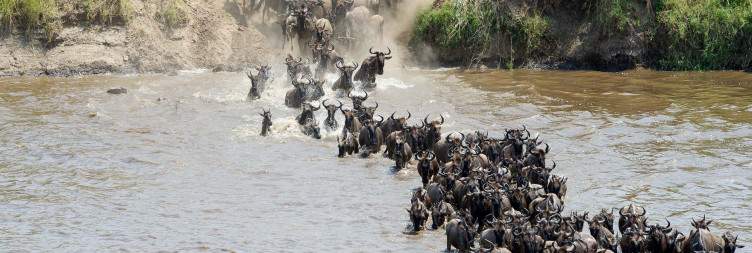
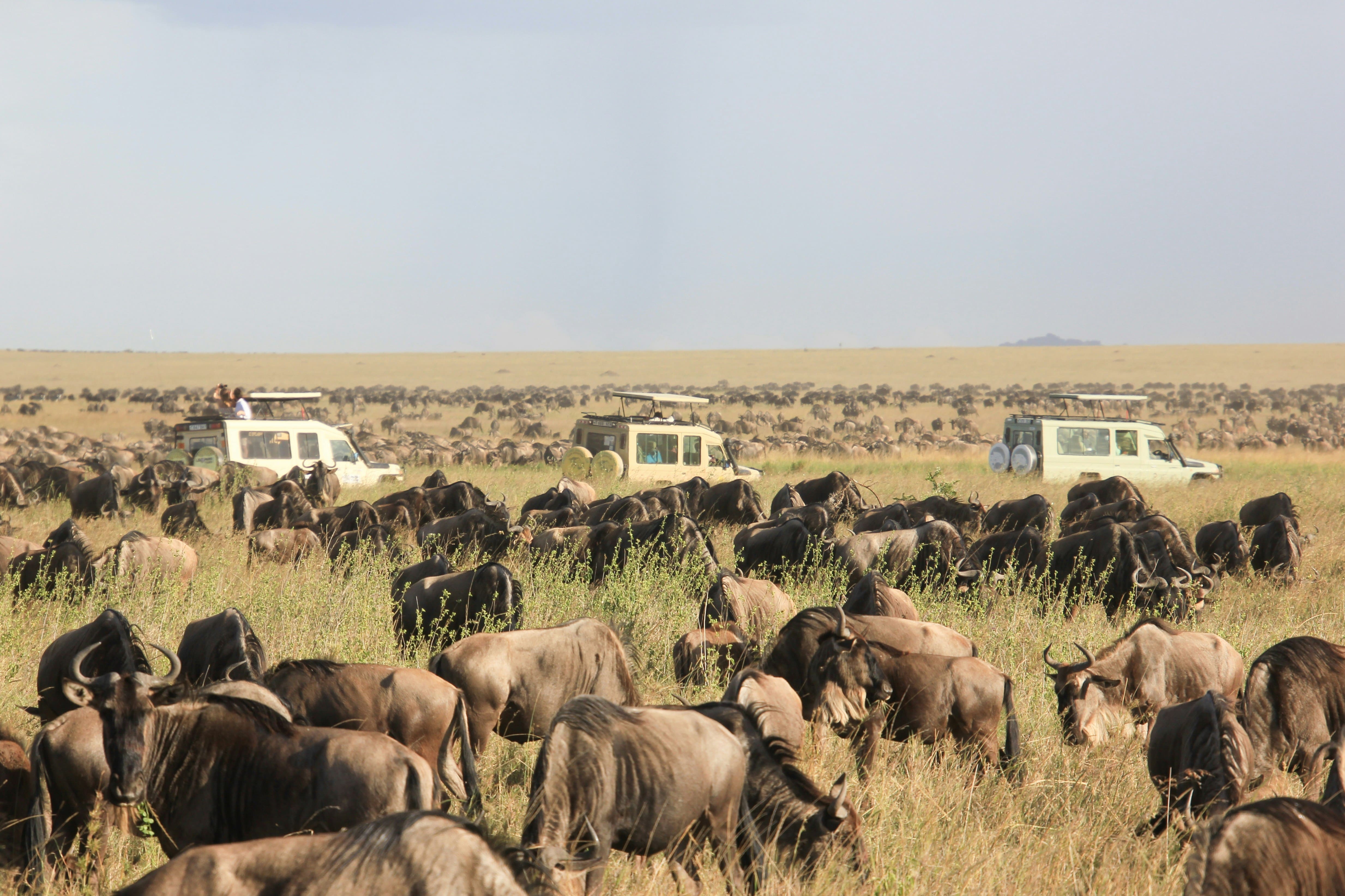
The Great Migration is not a single event — it is a continuous, year-round cycle of roughly 1.5 million wildebeest, 300,000 zebra, and 500,000 gazelle moving clockwise through the Serengeti-Mara ecosystem in search of fresh grass. Understanding where the herds are each month is the single most important factor in planning your Tanzania safari.
| Month | Location | Key Event |
|---|---|---|
| January | Southern Serengeti / Ndutu Plains | Herds grazing on short grass plains |
| February | Ndutu / Southern Serengeti | Peak Calving Season – 500,000 calves born |
| March | Southern & Central Serengeti | Herds begin moving north as rains arrive |
| April | Central Serengeti | Moving northward, rains slow migration |
| May | Central Serengeti / Western Corridor | Herds reach the Western Corridor |
| June | Western Corridor / Grumeti River | First major river crossings at Grumeti |
| July | Northern Serengeti / Mara River | Peak Mara River crossings begin |
| August | Northern Serengeti | Peak Mara River crossings continue |
| September | Northern Serengeti / Kenya Masai Mara | Crossings continue; herds in Kenya |
| October | Returning south through Northern Serengeti | Herds begin returning south |
| November | Central & Northern Serengeti | Herds spreading south with short rains |
| December | Southern Serengeti | Herds arrive on southern plains |
MONTH-BY-MONTH GUIDE TO TANZANIA SAFARI

anuary — Green Season, Predator Peak
January is one of Tanzania's most underrated safari months. The short rains of November–December have ended, leaving the southern Serengeti and Ndutu Plains a brilliant, photogenic green. The Great Migration herds have arrived on the short-grass plains of the south, and with them come predators in extraordinary numbers.
- Wildlife highlight: Lions, cheetahs, and leopards are highly active as they follow the concentrations of prey.
- Landscape: Lush green, dust-free, excellent photographic light with dramatic cloudscapes.
- Crowds: Moderate — lower than peak season, higher than April–May.
- Price: Standard rates, slightly elevated around New Year holiday.
- Best parks: Southern Serengeti (Ndutu), Ngorongoro Crater, Lake Manyara.
February — The Calving Season: Tanzania's Best-Kept Secret
If you ask experienced Tanzania safari guides to name their single favourite month, the majority will say February. In a concentrated two-to-three-week window, roughly 400,000 to 500,000 wildebeest calves are born on the Ndutu Plains. Within minutes of birth, calves must be on their feet and running — because Africa's predators are waiting.
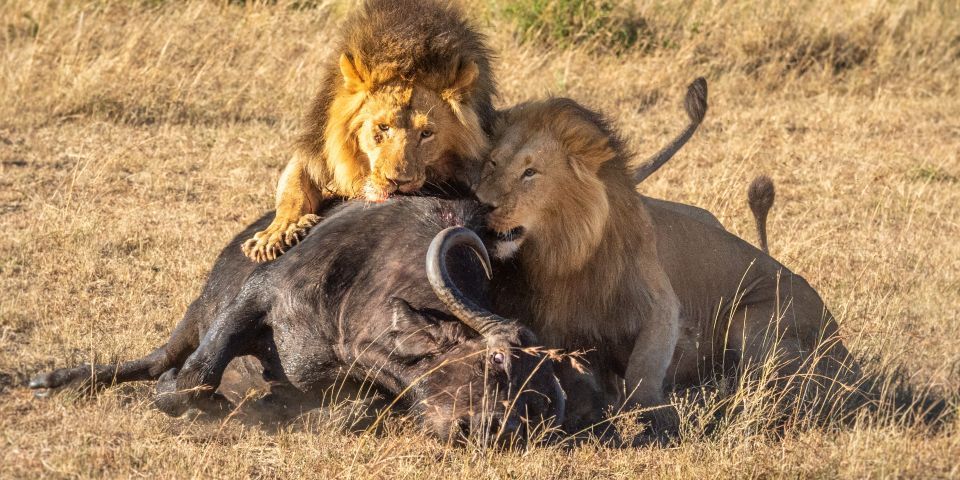
- Wildlife highlight: Calving season means more prey than predators can consume. Cheetah kills, lion ambushes, and leopard stalks happen multiple times per day within a small area.
- Photography: Newborn calves, dramatic predator-prey action, and emerald green plains create extraordinary images.
- Landscape: Dry-season clarity is returning; skies are clear and blue by mid-February.
- Crowds: Moderate. Surprisingly undervisited given the wildlife quality.
- Price: Standard mid-range pricing. Excellent value compared to June–August.
- Best parks: Ndutu Plains (Ngorongoro Conservation Area), Southern Serengeti.
March — The Green Season Arrives
March marks the beginning of the long rains (locally known as Masika). Afternoon thunderstorms become more frequent, and the herds begin moving northward and westward through the central Serengeti. For wildlife sightings, March is a mixed month — thick vegetation can hide animals, but certain parks shine.
- Wildlife highlight: Tarangire National Park is excellent as elephants are still concentrated. Ngorongoro Crater is always productive regardless of season.
- Birding: Migratory birds are arriving and the diversity is exceptional — well over 500 species have been recorded in Tanzania.
- Landscape: Deeply lush, vibrant, and colourful. The photography is stunning for landscapes.
- Price: Rates begin to drop. Good deals available.
- Best parks: Ngorongoro Crater, Tarangire, Lake Manyara.
April — Low Season: Best Value, Fewest Crowds
April is the heart of the rainy season. Heavy afternoon downpours are near-daily. Some seasonal camps close entirely. Roads in certain areas become difficult or impassable. But for the right kind of traveler, April is an extraordinary hidden gem.
- Value: Luxury lodges offer discounts of 25–45%. You can stay in $1,000-per-night properties for $500–$600.
- Crowds: Essentially zero. You will have the Serengeti almost entirely to yourself.
- Wildlife: Animals are harder to spot in thick bush, but the Ngorongoro Crater and Tarangire remain highly productive year-round.
- Birding: Exceptional. April is peak season for migratory bird species.
- Best parks: Ngorongoro Crater, Tarangire National Park (excellent during rains).
May — Late Rains, Best Discounts of the Year
Similar to April, May is deep in the wet season. The rains begin to taper toward the end of the month, and the landscape is at its most spectacular green. Prices are at their absolute lowest point of the year — this is the cheapest time to visit Tanzania without compromising on the quality of your lodge.
- Price: Lowest prices of the entire year across all categories.
- Wildlife: Herds have largely left the south and are moving through the central Serengeti westward.
- Birding: Still excellent with full complement of migratory species.
- Activity: Walking safaris are particularly rewarding as the Maasai wilderness areas are peaceful and uncrowded.
June — The Season Turns: Dry Season Begins
June is a pivotal transition month. The rains stop, the skies clear, temperatures drop pleasantly, and the landscape begins its transformation from green to gold. For safari travelers, this is when everything shifts — and it shifts fast. The first Grumeti River crossings begin in the Western Corridor of the Serengeti.
- Wildlife highlight: Western Corridor Grumeti River crossings. Large Nile crocodiles have been waiting for this moment all year.
- Landscape: Transitional — half green, half golden. Beautiful photography.
- Crowds: Beginning to build but not yet peak.
- Price: Rates increase from June — book well ahead.
- Best parks: Western Serengeti (Grumeti), Ngorongoro Crater, Tarangire.
July — The Mara River Crossings Begin
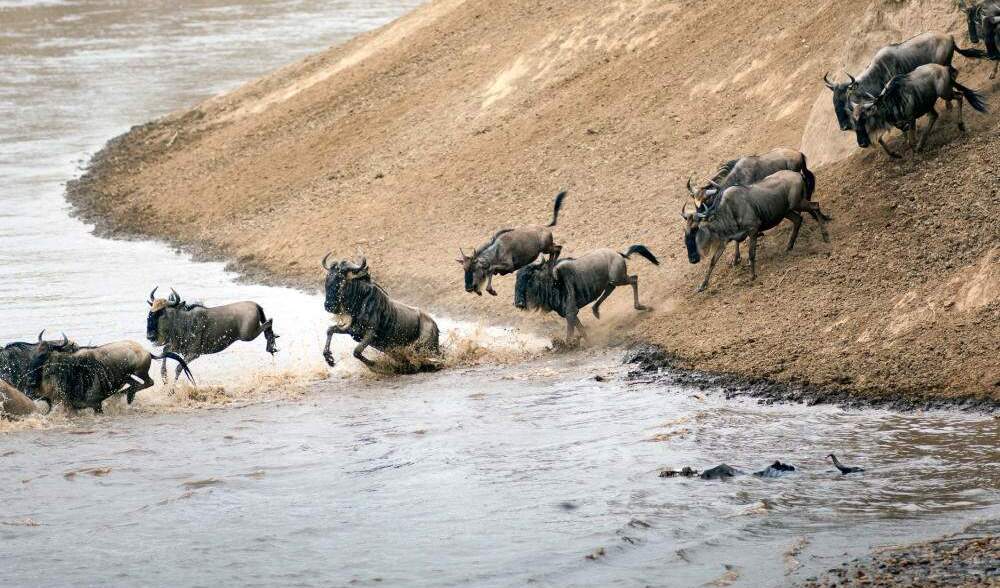
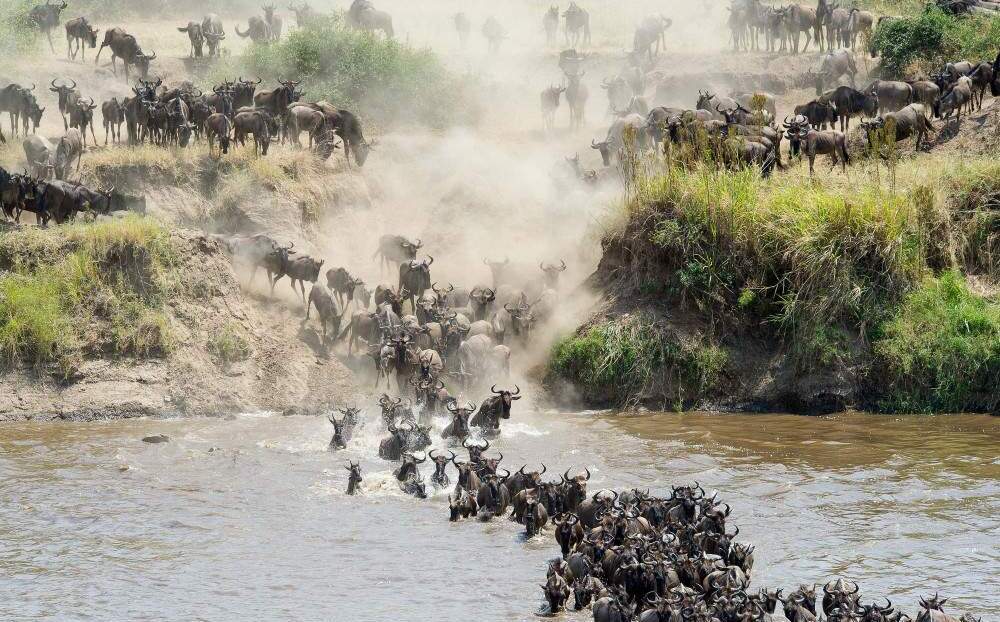
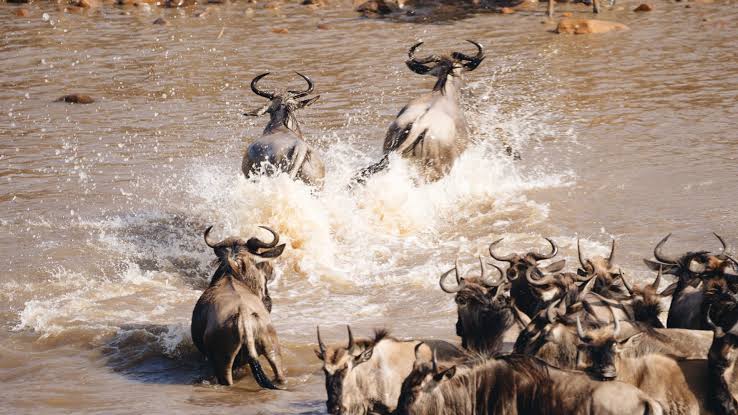
July is arguably the single most exciting month to be in Tanzania. The wildebeest herds have reached the northern Serengeti, where they face their most formidable obstacle: the Mara River. Steep, crumbling banks, fast-moving water, and enormous Nile crocodiles make these crossings one of the most dramatic wildlife events on Earth.
- Wildlife highlight: Mara River crossings. The herds can spend hours massing on the south bank before one brave individual leaps in, triggering a stampede of thousands.
- Landscape: Golden and dry. Animals are easy to spot against the open grassland.
- Big cats: Lions in the north are extraordinarily well-fed and active.
- Crowds: High season begins in earnest. Book 6–12 months ahead.
- Price: Premium. July is one of the most expensive months.
- Best parks: Northern Serengeti (Lamai, Kogatende areas), Ngorongoro Crater.
August — Peak Season, Peak Wildlife
August is the peak of peak season. River crossings continue daily in the north, resident wildlife is highly concentrated across the ecosystem, and the weather is perfect — warm, dry days and cool nights. If you want the most consistently spectacular game viewing of any month, August delivers.
- Wildlife highlight: Mara River crossings continue alongside outstanding resident wildlife viewing.
- Landscape: Golden, dry, open. Near-perfect conditions for spotting and photography.
- Elephants: Tarangire National Park sees massive elephant concentrations — sometimes 300+ elephants per day at watering holes.
- Crowds: Highest of the year in popular areas.
- Price: Peak — highest prices of the year.
- Best parks: Northern Serengeti, Tarangire, Ngorongoro Crater.
September — Golden Season, Outstanding Resident Wildlife
By September, some of the migration herds have crossed into Kenya's Masai Mara and visitor numbers in the northern Serengeti begin to thin slightly. But Tanzania's resident wildlife — the massive lion prides, leopards, cheetahs, and elephant herds — remains in outstanding form. September is an excellent choice for first-time safari visitors who want guaranteed wildlife without absolute peak-season crowds.
- Wildlife highlight: Tarangire elephant herds reach their largest numbers of the year.
- Big cats: Resident lion prides are large, well-fed, and active in Ngorongoro and the Serengeti.
- Wild dogs: The southern circuit (Nyerere/Selous, Ruaha) is excellent for African wild dogs.
- Crowds: Slightly lower than July–August but still high season.
- Price: High season pricing continues through September.
- Best parks: Tarangire, Ngorongoro Crater, Nyerere (Selous), Ruaha.
October — Late Dry Season: Value, Wildlife, and Fewer Crowds
October offers one of the best overall value propositions of any month for Tanzania safari. The landscape is at its most dramatic — parched, golden, and dusty. Wildlife concentrations at permanent water sources are extraordinary. And the main migration herds are beginning to filter back south through the northern Serengeti, meaning you may still catch river crossings.
- Wildlife highlight: Waterholes in Tarangire and Ngorongoro Crater host hundreds of animals simultaneously throughout the day.
- Elephant viewing: Outstanding. Tarangire in October consistently produces some of the best elephant sightings in Africa.
- Leopard: October is consistently good for leopard sightings as cats are more visible in the dry, open bush.
- Crowds: Dropping off from August peak — better availability and slightly lower prices.
- Price: Shoulder-to-high. Good value compared to July–August.
- Best parks: Tarangire, Ngorongoro Crater, Northern Serengeti.
November — Short Rains: The Green Season Returns
November marks the beginning of the short rains — brief afternoon showers that last one to two hours and then clear. Unlike the long rains of April–May, these rarely disrupt game drives. The landscape refreshes almost overnight: dust settles, flowers bloom, and the herds begin moving south again onto the central and southern Serengeti.
- Wildlife highlight: Baby animals begin appearing as many species time their births to the short rains.
- Birds: November is exceptional for birding as migratory species from Europe and Asia arrive.
- Landscape: The transformation from dust to green happens in days. Dramatic photography opportunities.
- Crowds: Dropping significantly from peak season.
- Price: Shoulder to low — good deals available.
- Best parks: Central Serengeti, Lake Manyara (flamingos and birds), Ngorongoro.
December — A Magical Month for Safari and Celebration
December is a wonderful month to visit Tanzania. The short rains usually taper off in early December, leaving a landscape that is refreshed and green but not waterlogged. The herds are moving south through the central Serengeti. Prices spike around Christmas and New Year, but the weeks of early December offer some of the best overall value of any good-weather safari month.
- Wildlife highlight: Herds are spreading across the central and southern Serengeti in anticipation of the calving season.
- Festive atmosphere: Many lodges host special Christmas and New Year events and gala dinners under the stars.
- Early December value: Before the holiday spike, this is a genuinely excellent month with competitive pricing.
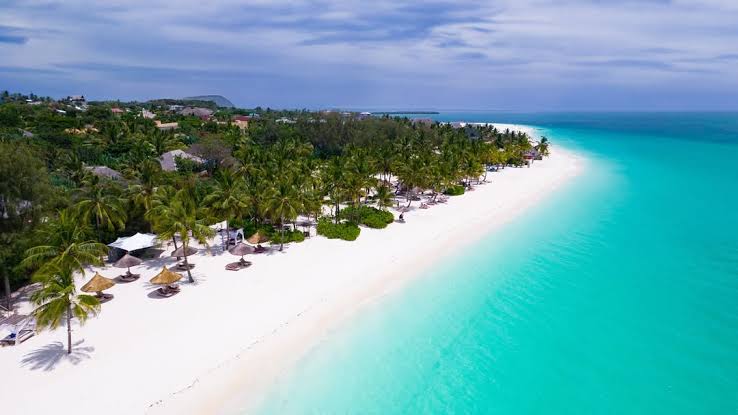
- Zanzibar combination: December is ideal for combining a Serengeti safari with a Zanzibar beach stay — both are at their best.
- Best parks: Central Serengeti, Ngorongoro Crater, Tarangire.
BEST TIME TO VISIT EACH TANZANIA NATIONAL PARK
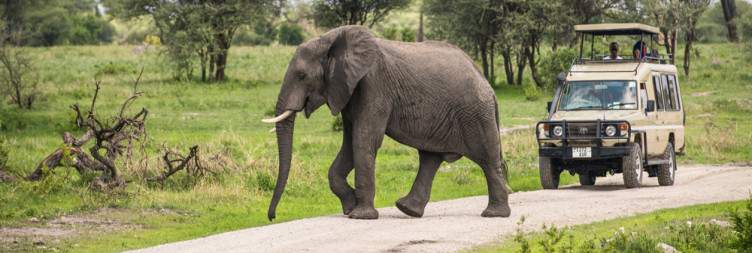
Tanzania has ten major national parks plus the Ngorongoro Conservation Area. Each has its own seasonal rhythm.
Serengeti National Park
The Serengeti is worth visiting year-round, but the experience changes completely by month. June–October gives you dry, open landscapes and easy spotting. January–February gives you calving season in the south. July–August gives you river crossings in the north. Avoid only the very heart of the long rains (April–May) if it is your first safari.
Ngorongoro Crater
The Ngorongoro Crater is arguably the most reliably productive wildlife venue in all of Africa. The 600-metre-deep crater walls create a near-enclosed ecosystem where the Big Five are present year-round. June–September is best for lion sightings. November–May is best for birding. February is outstanding for newborn animals. There is genuinely no bad time to visit.
Tarangire National Park
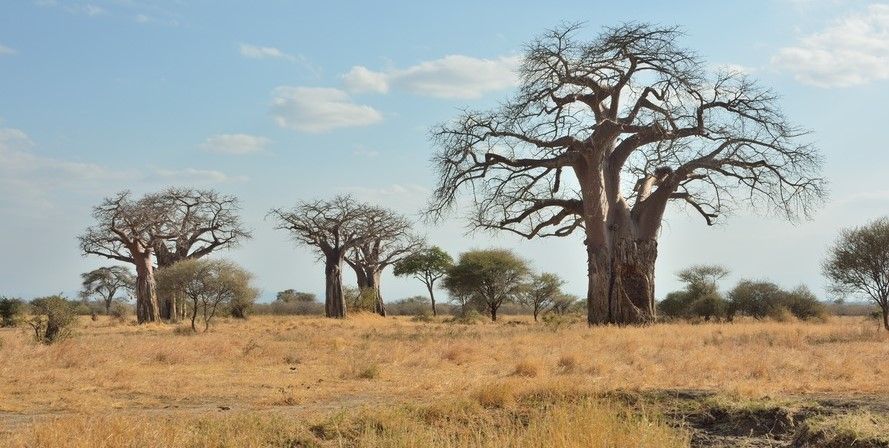
Tarangire is defined by two extraordinary experiences: its vast elephant herds and its iconic ancient baobab trees. June through October is when Tarangire reaches its absolute peak — elephant numbers build to 3,000 or more, and every waterhole is shared by elephants, lions, buffalos, giraffes, zebra, and wildebeest. The park is much quieter in the wet season, but resident wildlife remains.
Lake Manyara National Park
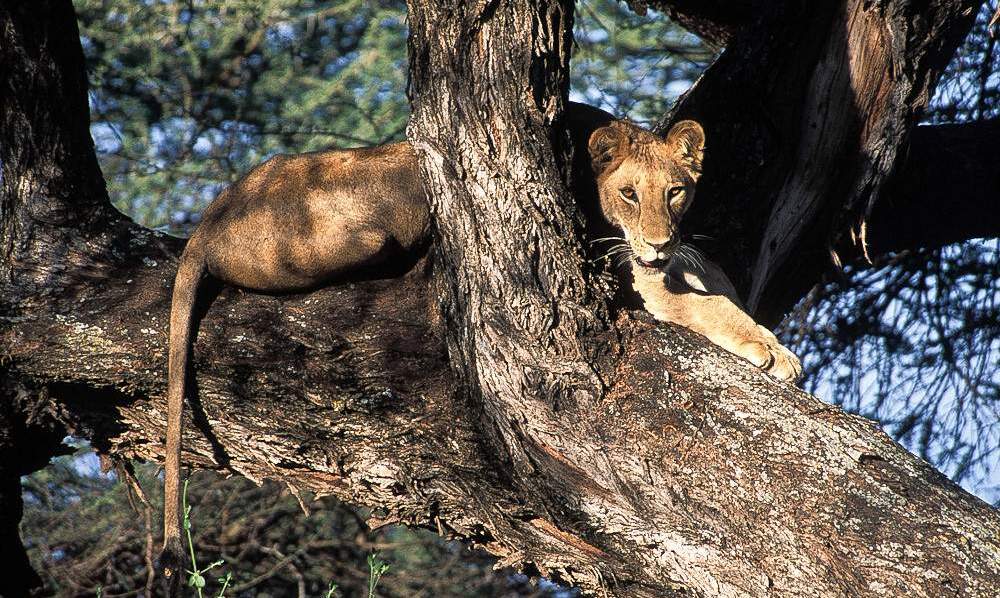
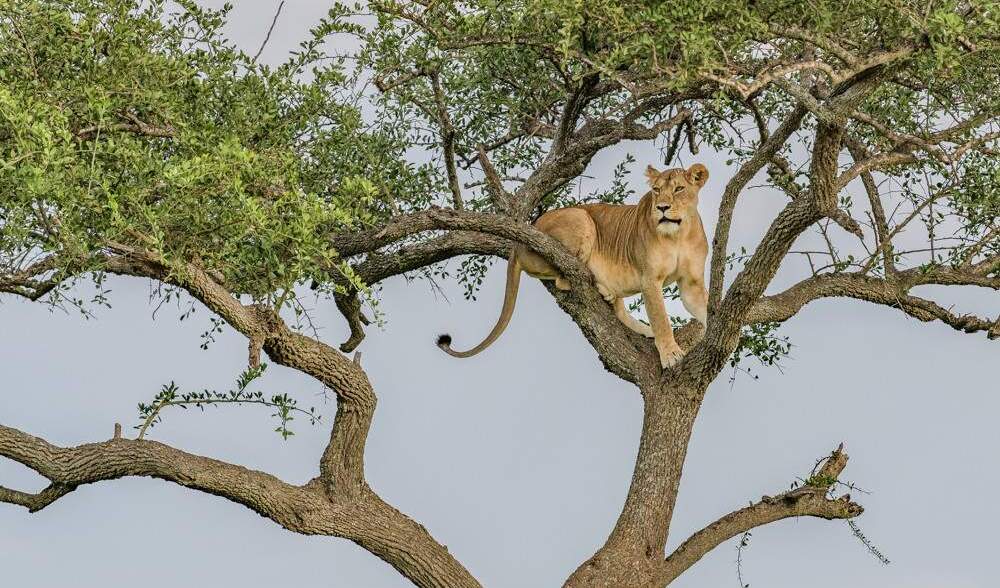
Famous for its tree-climbing lions (seen mainly in the wet season) and its enormous flamingo populations. November to April is the best period for both flamingos and birds. The park is small but densely packed with wildlife and serves perfectly as a one-day addition to a longer northern circuit.
Ruaha National Park
Tanzania's largest national park and one of Africa's best-kept safari secrets. Ruaha is exceptional from June to October for elephant, lion, leopard, and the rare wild dog. The park sees a fraction of the visitors of the northern circuit, making it ideal for exclusive, uncrowded safari experiences. The dry season is essential here.
Nyerere National Park (formerly Selous)
Africa's largest game reserve offers unique boat safaris and walking safaris on the Rufiji River. July to October is the best period, when wildlife concentrations along the river reach extraordinary levels. Nyerere is exceptional for African wild dogs, lions, buffalo, and hippos.
Mahale Mountains National Park
One of only two places in the world where you can trek to habituated chimpanzees in their natural forest habitat. The dry season from June to October is the only recommended time to visit, as mountain trails become dangerously muddy and chimp tracking becomes very difficult in the rains.
TANZANIA WILDLIFE CALENDAR: WHEN TO SEE THE ANIMALS
Tanzania Wildlife Calendar: When to See the Animals
| Animal | Peak Months | Best Park |
|---|---|---|
| Wildebeest (Calving) | Jan – Feb | Ndutu / Southern Serengeti |
| Mara River Crossings | Jul – Sep | Northern Serengeti |
| Lion | Jun – Oct | Serengeti, Ngorongoro |
| Leopard | Jun – Oct | Serengeti, Tarangire |
| Cheetah | Jan – Mar, Jun – Oct | Ndutu, Central Serengeti |
| African Wild Dog | Jun – Nov | Nyerere, Ruaha |
| Elephant (large herds) | Jul – Oct | Tarangire |
| Hippo | Year-round (best dry season) | Nyerere (Rufiji River) |
| Flamingo | Nov – Apr | Lake Manyara, Ngorongoro |
| Giraffe | Year-round | Serengeti, Tarangire |
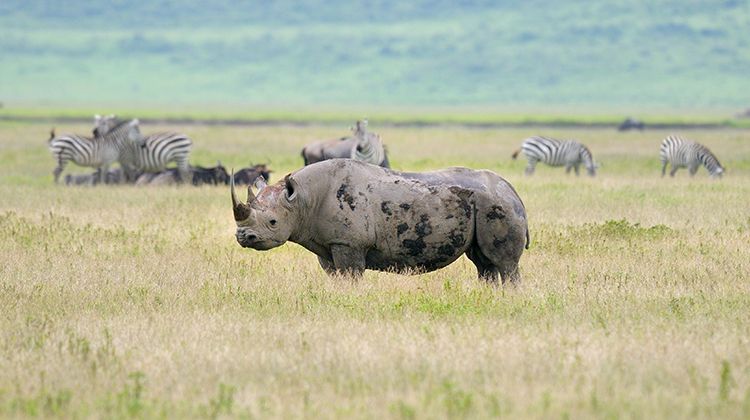
| Rhino | Year-round (best dry) | Ngorongoro Crater |
| Chimpanzee | Jun – Oct | Mahale Mountains |
| Zebra (large herds) | Jan – Mar, Jun – Sep | Serengeti (follows wildebeest) |
| Nile Crocodile | Jun – Sep (crossings) | Northern Serengeti (Mara River) |
BEST TIME TO VISIT TANZANIA BY TRAVELER TYPE
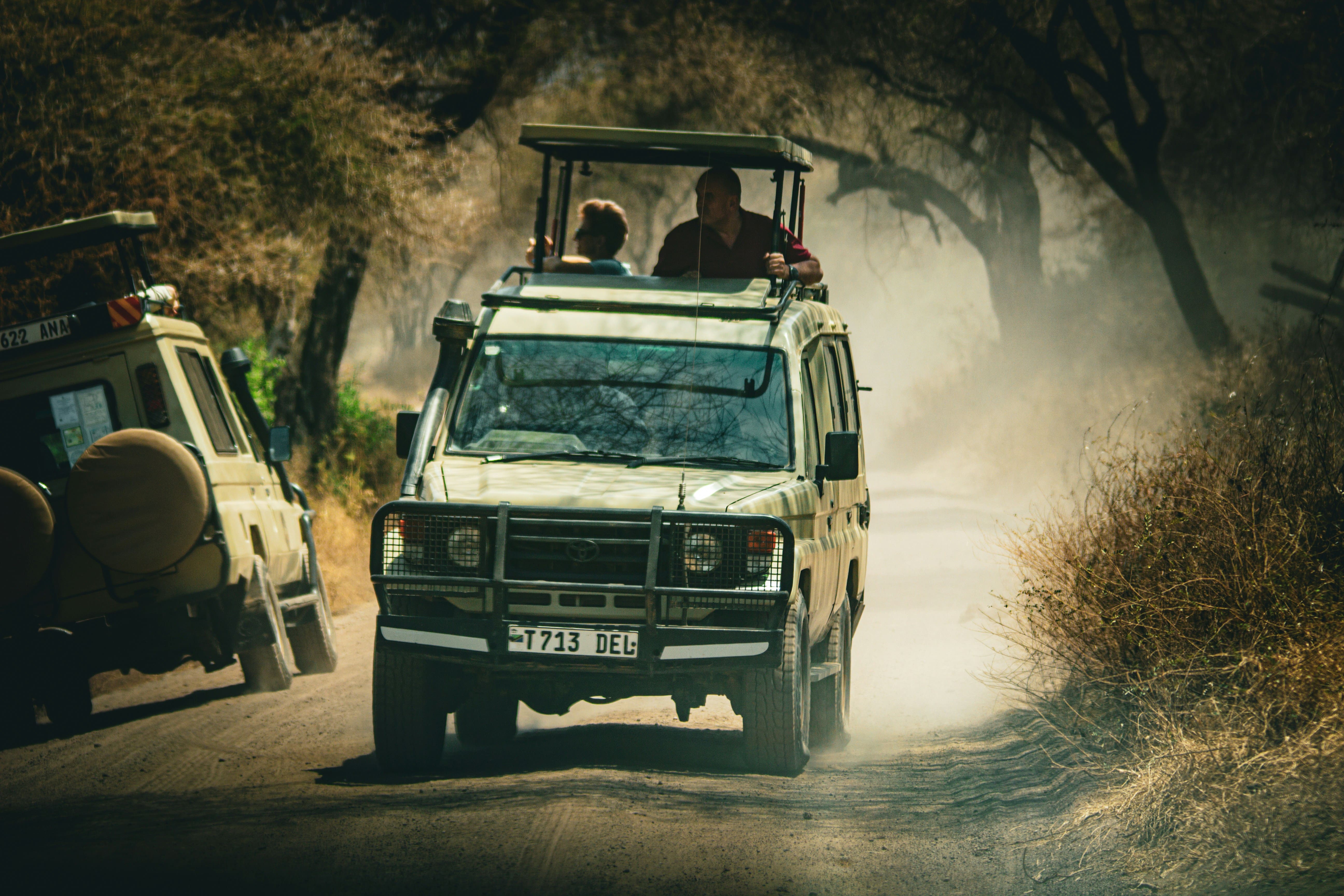
First-Time Safari Visitors
Go between July and October. Dry season conditions mean maximum visibility, animals at waterholes, and the easiest overall game viewing experience. August in particular rarely disappoints even the most demanding first-time safari visitor.
Photographers
January and February offer the best combination of dramatic wildlife action (calving and predator kills) and photogenic green landscapes. June to October gives you dust, golden light, and open sightlines. Both have merit. For landscapes and birds, the green season is actually superior.
Honeymoon Couples
December (early) or September. September gives you exceptional wildlife, warm days, cool nights, and some of Tanzania's most romantic lodges at prices slightly below peak. December allows you to combine a Serengeti safari with Zanzibar beaches — one of the world's great honeymoon combinations.
Families with Children
June, July, or August. School holidays align with peak season, and the predictability of dry-season wildlife viewing means children are never disappointed. Animals near waterholes are patient and close — perfect for shorter attention spans.
Budget Travelers
April or May, without question. Luxury lodges offer their deepest discounts, roads are passable in most parks, and Ngorongoro Crater and Tarangire remain excellent year-round regardless of the rains.
Birdwatchers
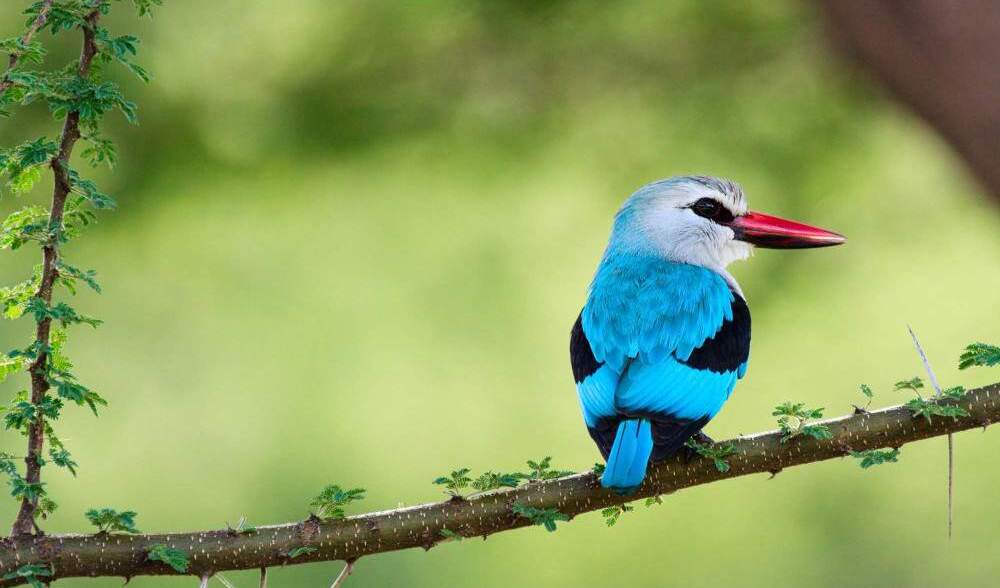
November through April for the maximum species diversity. Tanzania has recorded over 1,100 bird species — more than the entirety of North America. The arrival of European and Asian migratory birds in November–December transforms the birding from excellent to extraordinary.
PHOTOGRAPHY GUIDE: GETTING THE BEST TANZANIA SAFARI IMAGES
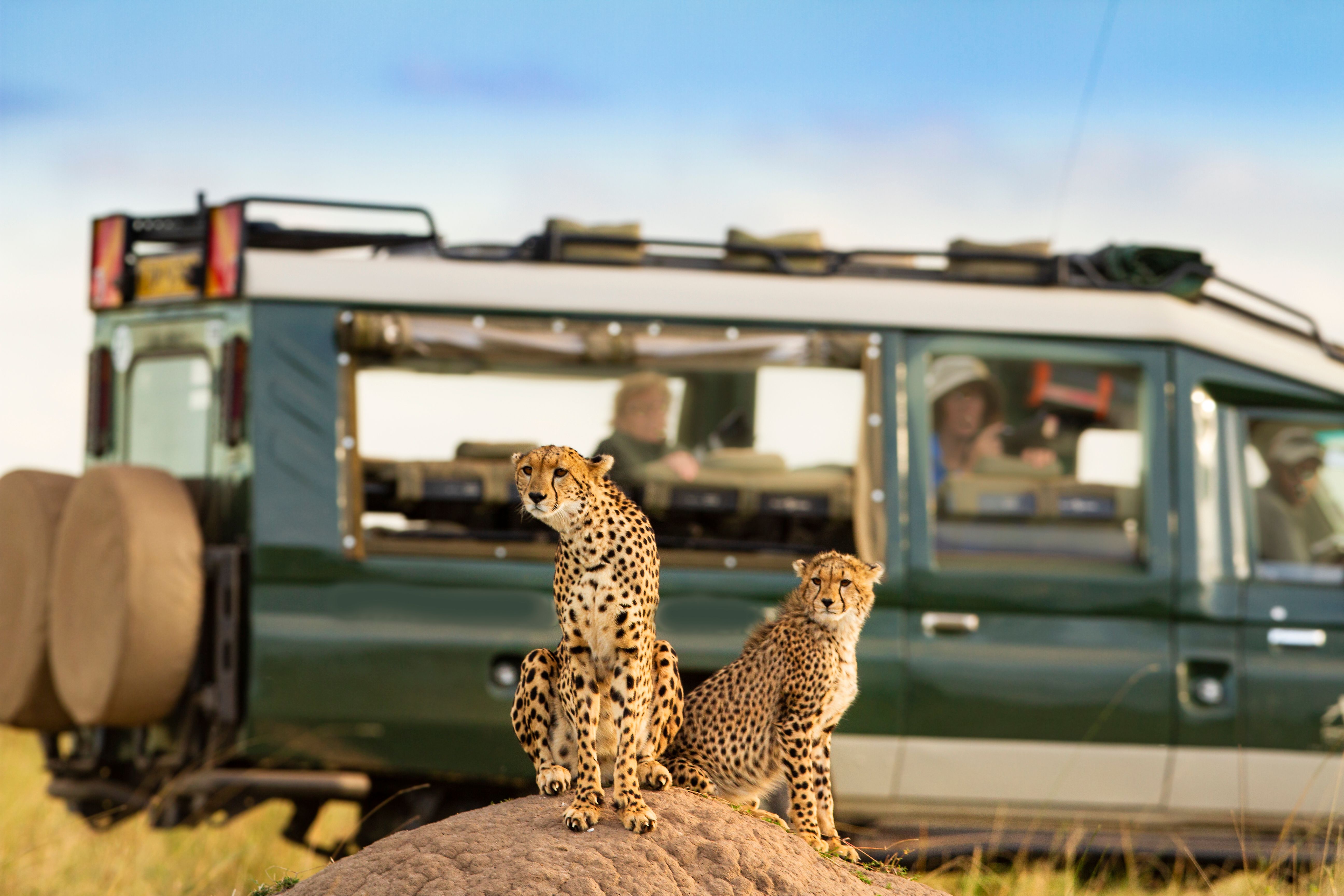
Tanzania offers some of the greatest wildlife photography opportunities anywhere on Earth. But the quality of your images depends entirely on when and where you go, and how you approach it.
- Golden Hour: Plan your game drives to start at dawn and run until mid-morning, then again from 3:00 PM to sunset. The light in Tanzania during these hours is extraordinary — warm, directional, and soft.
- Dry Season Advantage: June to October gives you dust, open sightlines, and golden-toned landscapes that make every image look like a professional photograph.
- Green Season Drama: January to March offers moody skies, vibrant colours, and dramatic predator-prey action. The backgrounds are lush and full of life.
- Focal Lengths: Bring a 400mm or 500mm lens for wildlife detail shots, a 70–200mm for environmental shots showing animals in their habitat, and a wide-angle for landscapes.
- Drone Restrictions: Drones are not permitted inside Tanzania's national parks without prior written permission from the Tanzania National Parks Authority (TANAPA). Plan accordingly.
- Dust Protection: During the dry season, carry a sealed waterproof bag for lenses and bodies. Serengeti dust is fine and pervasive.
WHAT TO PACK: SEASON-BY-SEASON PACKING GUIDE
Dry Season (June–October)
- Neutral-coloured lightweight clothing: khaki, beige, olive, brown. Avoid bright colours.
- Warm fleece or lightweight down jacket for early morning game drives (temperatures can drop to 12–15°C).
- Quality sunscreen, lip balm, and large sunglasses — the sun at altitude is intense.
- Sealed camera bags and lens cloths for dust protection.
- Binoculars: 8x42 or 10x42 are optimal for safari game viewing.
- Headlamp for bush walks and early-morning movements.
Green Season (November–May)
- Lightweight waterproof layer or compact travel poncho.
- Waterproof boots or sturdy trail shoes — camps and walking paths can be muddy.
- Insect repellent with high DEET concentration — malaria precaution is important.
- Anti-malaria medication: consult your doctor before travel.
- Polarising filter for camera lenses to manage dramatic sky and water glare.
COMBINING TANZANIA SAFARI WITH ZANZIBAR: WHEN DOES IT WORK BEST?
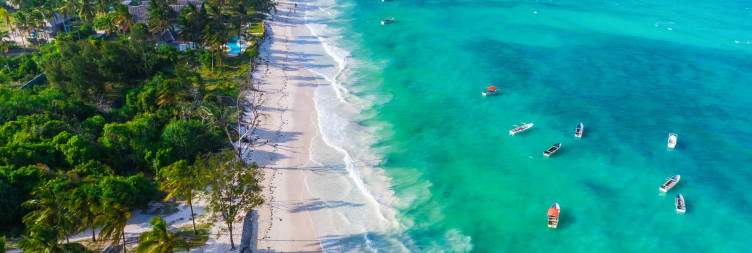
One of Tanzania's greatest travel advantages is that the Zanzibar archipelago is just a 45-minute flight from Arusha or Dar es Salaam. This makes it uniquely easy to combine a safari with a beach holiday.
- Best Combination Timing: June to October (dry safari season) lines up well with Zanzibar's long dry season — clear waters, consistent sunshine, and excellent snorkelling and diving.
- December to January is also excellent: Safari conditions are good in the southern Serengeti, and Zanzibar is in its dry season with calm waters on the east coast.
- Avoid April–May for the combination: Zanzibar is also in its wet season, which can disrupt beach activities.
PRACTICAL INFORMATION: HEALTH, VISA, AND ENTRY
Visa Requirements
Most nationalities require a visa to enter Tanzania. The Tanzania e-Visa is available online at immigration.go.tz and can be processed in 3–5 business days. As of 2025, fees are USD 50 for a single-entry tourist visa. Always confirm requirements with your national government or your tour operator before travel.
Health Precautions
- Malaria: Tanzania is a malaria zone. Prophylaxis medication is strongly recommended. Consult your travel doctor 4–6 weeks before departure.
- Yellow Fever: Required if entering from a yellow fever endemic country. A vaccination certificate may be required at the border.
- Vaccinations: Hepatitis A, Hepatitis B, Typhoid, and Tetanus are commonly recommended. Consult your doctor.
- Travel Insurance: Essential. Ensure your policy covers medical evacuation, as distances in Tanzania's national parks from quality medical facilities can be significant.
FREQUENTLY ASKED QUESTIONS ABOUT TANZANIA SAFARI
What is the absolute best month to visit Tanzania for a safari?
There is no single universal answer, because the best month depends entirely on what you want to see. For river crossings, July and August are unmatched. For calving season and predator action, February is extraordinary. For value and wildlife together, October is exceptional. If forced to choose one month for a first-time visitor, most experienced guides would say August.
Is it safe to go on safari during the rainy season?
Yes, with appropriate expectations. The Ngorongoro Crater is accessible and productive year-round. Tarangire is excellent even during the rains. What changes is the experience: thicker vegetation, muddier roads, and some smaller seasonal camps closing. The rains also typically fall in the afternoon, leaving mornings clear for game drives.
How far in advance should I book a Tanzania safari?
For July and August specifically, you should book 10–14 months in advance. Popular camps along the Mara River in northern Serengeti sell out in October or November for the following year. For the shoulder and green seasons, 3–6 months is generally sufficient.
Can I see the Great Migration from Tanzania, or do I need to go to Kenya?
The Great Migration spends the majority of its year in Tanzania — roughly 10 months. The Mara River crossings happen on both sides of the Kenya-Tanzania border, but many of the best crossing points (Lamai, Kogatende) are on the Tanzanian side. You do not need to visit Kenya to witness the migration.
What is the best Tanzania safari circuit for first-time visitors?
The Northern Circuit (Serengeti, Ngorongoro, Tarangire, Lake Manyara) is the recommended starting point. These four parks within 3–4 days of each other offer the Big Five, the Great Migration, and some of the most iconic landscapes in Africa.
Is Tanzania safe for tourists?
Tanzania is generally one of Africa's most stable and safe tourist destinations. The safari industry is mature and well-regulated, and reputable operators manage all logistics. As with any travel destination, standard awareness and common-sense precautions apply. Tanzania's government actively invests in protecting the tourism industry.
What is the minimum number of days needed for a Tanzania safari?
A meaningful Tanzania safari experience requires at least 5–7 days. This allows 2–3 days in the Serengeti and 1–2 days each at Ngorongoro Crater and Tarangire. For the full Northern Circuit experience with meaningful time in each park, 8–12 days is ideal.
Are Tanzania safaris suitable for children?
Most Tanzania safari lodges welcome children aged 6 and above, with some family-specialist camps accepting children from age 4. The dry season (June–October) is best for families as predictable wildlife sightings keep children engaged. Many lodges offer junior ranger programmes.
What currency do I need and can I use a card in Tanzania?
The official currency is the Tanzanian Shilling (TZS), but US Dollars are widely accepted and preferred at safari lodges, which typically price in USD. Cards are accepted at most lodges and larger hotels, but carry cash (USD or TZS) for tips, markets, and smaller establishments.
What are the best Tanzania national parks for seeing leopards?
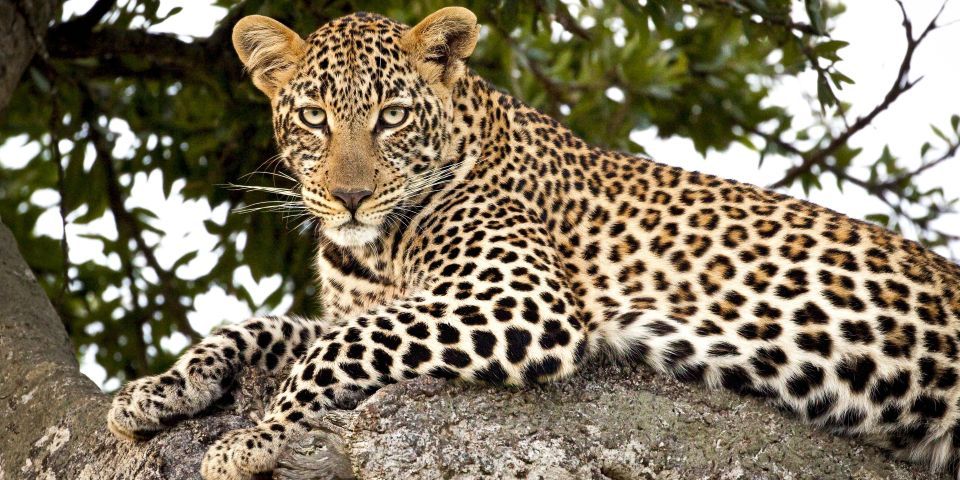
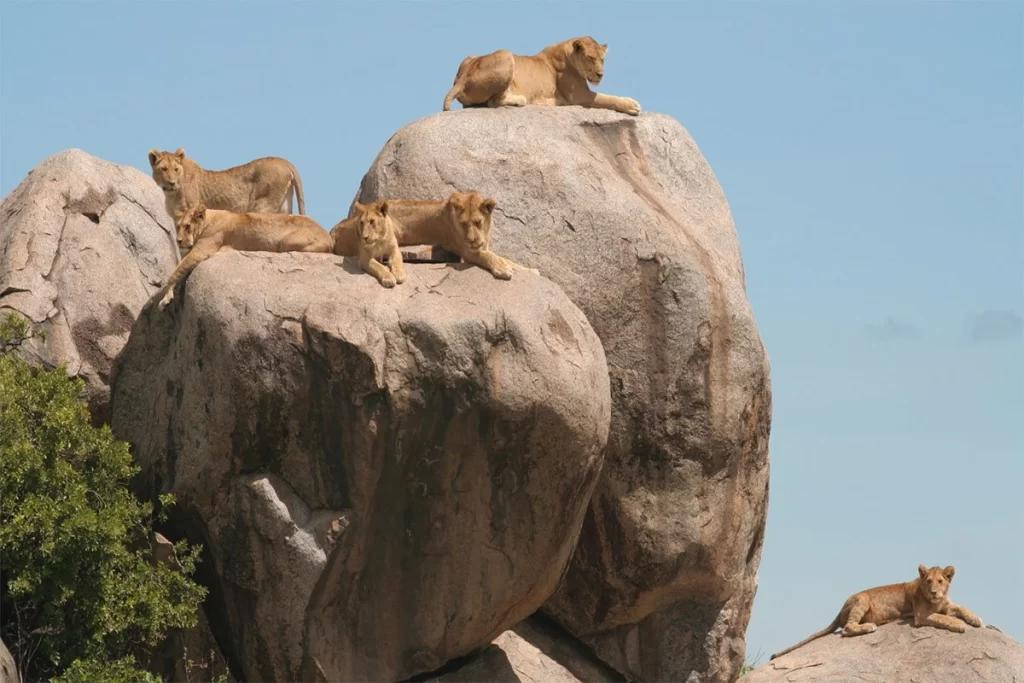
The Serengeti is Tanzania's best park for leopard sightings, particularly around kopjes (granite outcroppings) in the central Serengeti. Tarangire is also excellent, with leopards frequently seen in fig trees near the Tarangire River. The Ngorongoro Crater has resident leopards, although sightings there require patience.
PLAN YOUR TANZANIA SAFARI WITH ADVENTURES SEEKER
Tanzania is not just a safari destination — it is one of the greatest wildlife experiences available anywhere on the planet. From the thundering chaos of a Mara River crossing to the silence of watching 500 elephants drink from the Tarangire River at sunset, this country will change the way you see the natural world.
At adventuresseeker.com, every itinerary is designed by people who know Tanzania intimately — not a travel agent clicking boxes in a database, but guides and operators who have spent years learning the land, the animals, and the seasons.
Ready to plan your dream safari? Visit adventuresseeker.com today to explore our tailored Tanzania itineraries, speak with our safari specialists, and lock in your perfect window under the African sun.
Excellent
Based on 100+ reviews
Need Help?
Have questions about planning your Tanzania adventure? Our travel experts are here to help.
You May Also Like
Latest Articles
Stay Updated
Subscribe to our newsletter for the latest travel guides and exclusive offers.
Request a custom itinerary for your next trip to Tanzania.
Our team of travel experts is here to help you create a custom itinerary for your next trip to Tanzania. We will work with you to create a itinerary that is tailored to your needs and budget.