

Tanzania's Iconic Destinations
Experience the beauty and diversity of Tanzania's most iconic destinations.
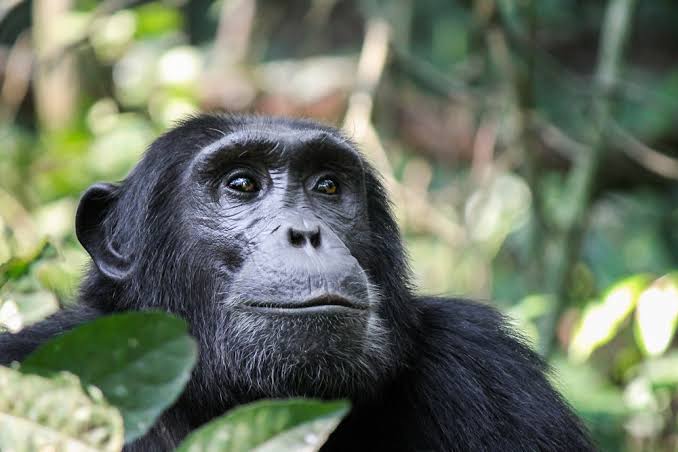
Gombe Stream National Park
In July 1960, a twenty-six-year-old Englishwoman named Jane Goodall arrived on the shores of Lake Tanganyika with a notebook, binoculars, and the intention of studying chimpanzees. She had no university degree and had been hired by the palaeontologist Louis Leakey because he believed that an untrained observer, without preconceptions about primate behaviour, might see things that scientists would miss. What she saw, in a small forest reserve on the lake's eastern shore, changed the scientific understanding of what it means to be human. Gombe Stream National Park is one of Africa's most famous wildlife destinations — not because of its size (at just 52 square kilometres, it is Tanzania's smallest national park), not because of the density of its wildlife (the Northern Circuit parks offer more species and higher concentrations), but because of what happened here. The discoveries made in this forest — that chimpanzees make and use tools, that they hunt, that they wage war, that they have complex social and emotional lives — demolished the boundary between human and animal that Western science had maintained for centuries. Gombe is where the question 'what makes us human?' became genuinely complicated. Today, Gombe Stream National Park offers visitors the direct continuation of that research legacy: habituated chimpanzee communities whose family trees trace back to the animals Jane Goodall first named in 1960, in the same forest, on the same lake shore, studied by a research programme that has now run for over 65 years without interruption. A chimpanzee trekking visit to Gombe is not simply a wildlife encounter. It is a walk into the most important site in the history of primate science. This guide gives you everything you need to plan a Gombe Stream visit in 2026 — the history, the chimpanzees, the lake, the logistics, the costs, and how to combine Tanzania's most historically significant wildlife destination with Mahale Mountains, the Northern Circuit, and the full Tanzania experience.
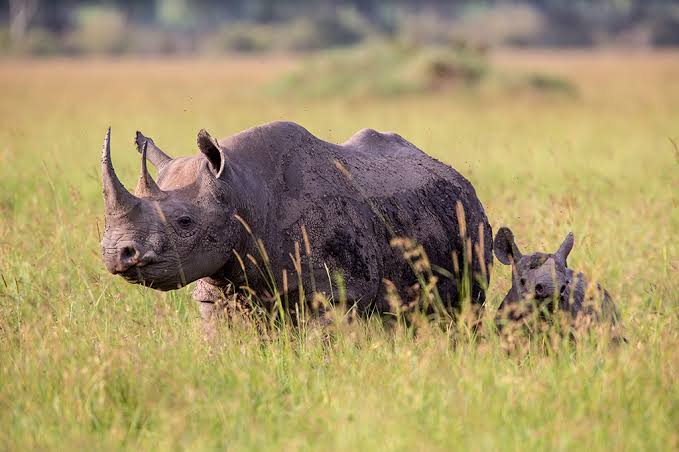
Mkomazi National Park
There are destinations in Tanzania that most visitors never hear about, and Mkomazi National Park is one of them. It sits in the north-east of the country, a two-hour drive from Arusha, sharing its eastern boundary with Kenya's famous Tsavo West National Park — part of the same vast semi-arid ecosystem that stretches across the border and supports some of East Africa's most dramatic wildlife. And yet Mkomazi receives a fraction of the visitors that Tsavo's Kenyan side attracts, which is precisely what makes it extraordinary. Mkomazi National Park covers 3,245 square kilometres of semi-arid Maasai steppe and Acacia-Commiphora bushland — a landscape defined by open vistas, red volcanic soil, ancient baobab trees, and the distant silhouettes of the Pare and Usambara mountain ranges. It is not a park defined by density. It is a park defined by space, by solitude, by the specific qualities of an ecosystem that feels genuinely wild in a way that more frequently visited parks sometimes cannot. But the centrepiece of Mkomazi — the reason that conservation-minded travellers make the detour from the better-known Northern Circuit — is its black rhino sanctuary. In 1997, in partnership with the George Adamson Wildlife Preservation Trust, Tanzania reintroduced black rhinoceros to Mkomazi after decades of poaching had eliminated the species from the park. The sanctuary now holds a carefully managed and slowly growing population — one of the success stories of East African conservation and one of the few places in Tanzania where black rhino can be seen outside the Ngorongoro Crater. This guide gives you everything you need to plan a Mkomazi National Park visit in 2026 — the landscape, the wildlife, the black rhino sanctuary, the African wild dog programme, the best time to visit, the practical logistics, the accommodation options, and how to combine Mkomazi with Kilimanjaro and the Northern Circuit in an itinerary that makes full use of its exceptional geographic position.
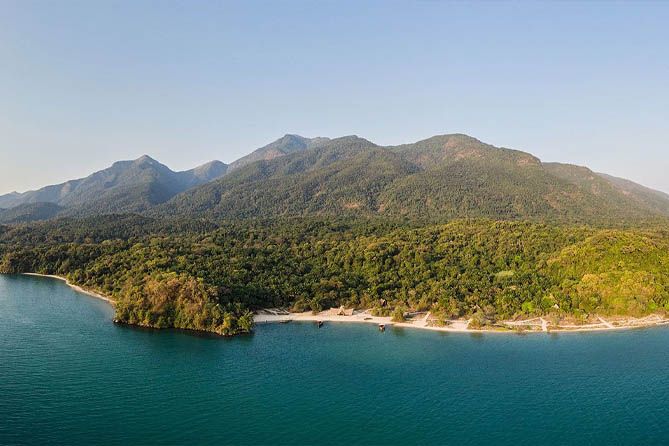
Mahale Mountains National Park
There is a moment in the Mahale Mountains forest that no amount of description can fully prepare you for. You have been walking for two hours through dense equatorial rainforest, following your tracker through undergrowth so thick that the path exists only in the tracker's mind. You have heard the chimpanzees before you have seen them — their calls carrying through the canopy, growing louder, then suddenly very close. And then your guide touches your arm and points, and at eye level, three metres away, a large male chimpanzee is sitting on a branch looking directly at you. Not through you, not around you — at you. With an intelligence that is immediately, unmistakably human. Mahale Mountains National Park is one of the most remote and most extraordinary wildlife destinations in Africa — a wilderness of dense rainforest and misty mountain ridges that drops steeply to the western shore of Lake Tanganyika, the world's longest freshwater lake. It is home to the M-Group — a community of approximately 60 habituated chimpanzees that have been continuously studied since 1965 and whose family dynamics, social hierarchies, and individual personalities are known in extraordinary detail. A chimpanzee trekking experience at Mahale is not wildlife viewing in the conventional sense. It is an encounter with the closest living relatives of the human species, in a forest that feels genuinely ancient, at a proximity that dissolves the boundary between observer and observed. Tanzania has two chimpanzee trekking destinations — Gombe Stream and Mahale Mountains — and while Gombe has the fame of Jane Goodall's name attached to it, experienced Tanzania travellers consistently rate Mahale as the superior experience: larger forest, larger chimpanzee community, more exclusive accommodation, the extraordinary backdrop of Lake Tanganyika, and a setting of such remote beauty that the journey to reach it is itself an unforgettable part of the experience. This guide gives you everything you need to plan a Mahale Mountains visit in 2026 — the chimpanzees, the lake, the forest, the logistics, the costs, and how to combine Tanzania's most remote major destination with the Northern Circuit safari and Zanzibar that complete the definitive Tanzania experience.
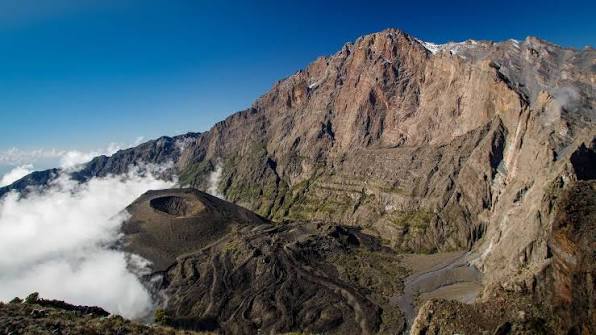
Mount Meru
There is a mountain in Tanzania that most people drive past on the way to something else. They can see it clearly from Arusha — a massive, forest-cloaked volcanic massif dominating the western sky — and they know it is significant. Africa's fifth-highest peak. A genuine 4,566-metre summit. A mountain with wildlife on its lower slopes and glaciers on its rim and a volcanic crater that dropped into the earth eight thousand years ago. And then they turn east toward Kilimanjaro and it disappears from their itinerary entirely. This is Mount Meru's paradox and its gift. Famous enough that serious trekkers seek it out specifically, obscure enough that even at peak season its trails are quiet. Extraordinary enough to justify a 4-day climb in its own right, practical enough to transform as a Kilimanjaro acclimatisation platform. Wildlife-rich enough that every climbing group requires an armed ranger escort on the lower forested slopes, remote enough that that ranger's presence feels genuinely necessary rather than ceremonial. Mount Meru is, in the considered opinion of adventuresseeker.com's team — who have guided trekkers to Socialism Peak across every season and from every level of experience — the finest 4-day mountain trek in East Africa. Not the highest. Not the most famous. The finest: in terms of scenery diversity, ecological richness, wildlife encounter, and the specific quality of its summit view, which places Kilimanjaro's snow-capped form across the plains below you at a distance and angle that makes the famous mountain look entirely different from how you have always pictured it. This guide gives you everything you need to plan a Mount Meru climb in 2026 — the geology, the wildlife, the route day by day, the altitude and summit night reality, the best season, the real costs, what to pack, how to train, and exactly how Meru fits into the Tanzania safari and Kilimanjaro combination that makes northern Tanzania the finest adventure travel destination in Africa.
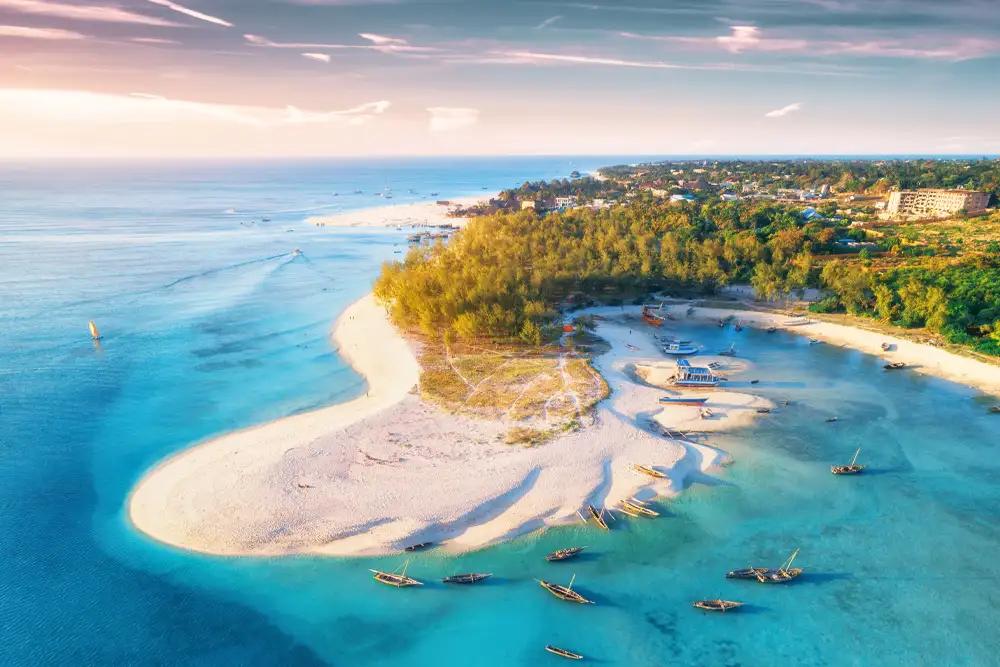
Zanzibar Safari Guide
Zanzibar is Tanzania's most celebrated island destination — a semi-autonomous archipelago of more than 50 islands rising from the warm Indian Ocean, just 25 to 40 kilometres off the East African coast. Its white-sand beaches, turquoise lagoons, and the labyrinthine alleys of Stone Town have made it one of Africa's most iconic travel destinations. But Zanzibar is far more than postcard scenery. The island's identity has been sculpted over more than 2,000 years of Indian Ocean trade. Swahili, Arab, Persian, Indian, and Portuguese influences are layered into its architecture, cuisine, language, and daily rhythms in a way that no manufactured resort island can replicate. Walking through Stone Town — a UNESCO World Heritage Site — is a genuine encounter with living history. For adventuresseeker.com, Zanzibar represents the natural, perfect conclusion to a Tanzania safari. After days of early-morning game drives in the Serengeti or Ngorongoro Crater, the island offers a complete contrast: warm salt water, the shade of a coconut palm, and the unhurried pace of Swahili island life. The flight from Arusha or Kilimanjaro takes less than an hour. The effect lasts for years.
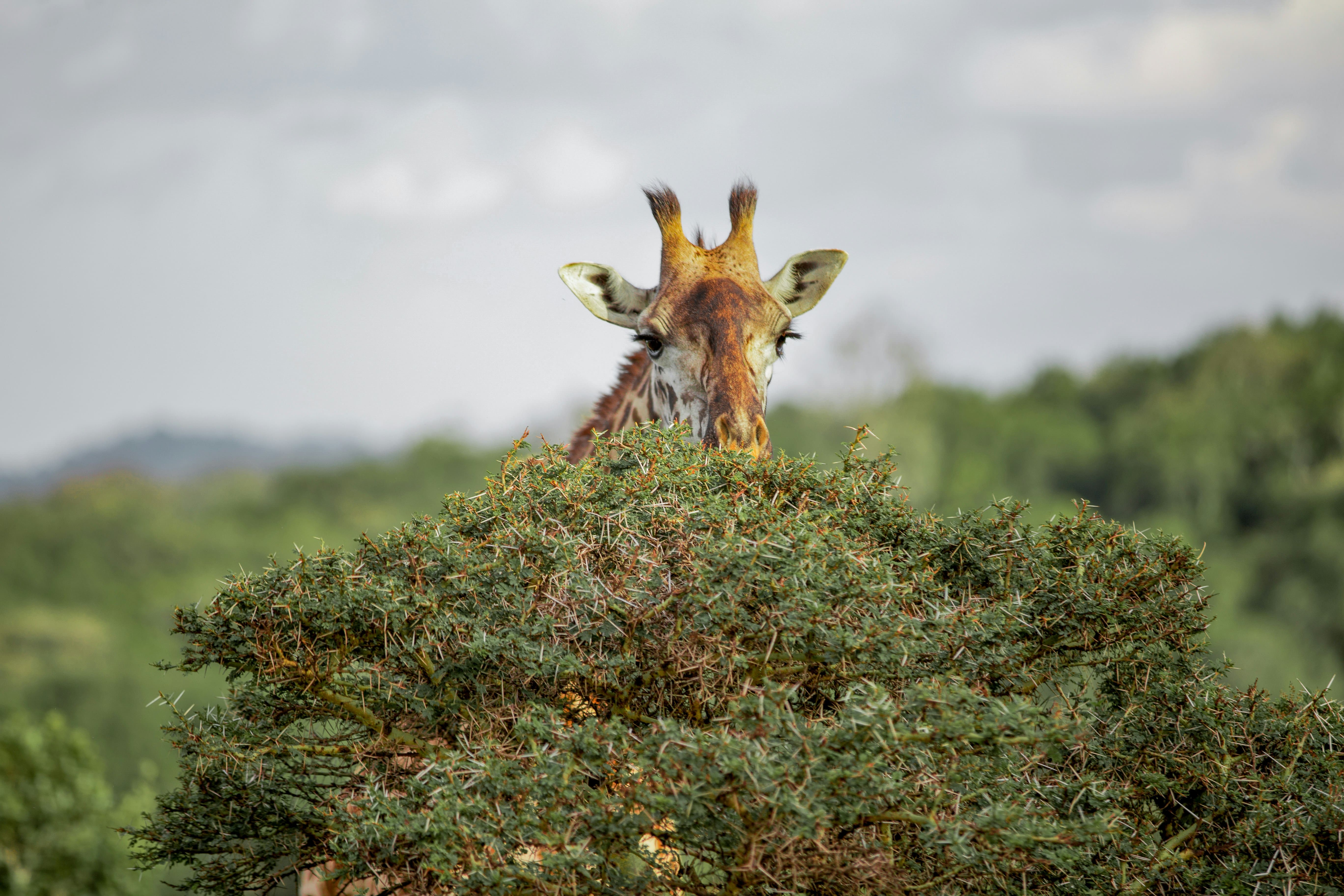
Arusha National Park
Arusha National Park is Tanzania's most overlooked major wildlife destination — and one of its most rewarding. Sitting just 35 kilometres east of Arusha city, it is the closest national park to Tanzania's safari capital, and yet it consistently surprises visitors who expect it to be merely a convenient warm-up before the Serengeti. It is not a warm-up. It is a genuinely extraordinary destination in its own right. The park contains within its 552 square kilometres a volcanic landscape of haunting beauty: the sheer crater walls of the Ngurdoto Crater — a forested caldera sometimes called the 'Little Ngorongoro'; the seven Momella Lakes, each a different shade of alkaline blue and green, home to flamingos and extraordinary waterbirds; the upper reaches of Mount Meru, Africa's fifth-highest peak at 4,566 metres, whose summit is one of Tanzania's finest trekking objectives; and forest-covered slopes populated by black-and-white colobus monkeys, bushbuck, buffalo, warthog, and a bird community of over 400 species. Arusha National Park is also the only park in Tanzania where both Mount Kilimanjaro and Mount Meru are simultaneously visible — on clear mornings, the two peaks frame the landscape from east and west in a panorama that exists nowhere else on Earth. And it is the only park in northern Tanzania where you can leave your vehicle and walk freely with a ranger — opening a dimension of wildlife experience that the vehicle-based game drive culture of the larger parks cannot provide. This guide gives you everything you need to plan a visit to Arusha National Park in 2026 — the landscapes, the wildlife, the walking safari experience, the Mount Meru climb, the canoeing on the Momella Lakes, the best time to visit, and how to position the park perfectly within a Northern Circuit itinerary that makes the most of Tanzania's most accessible and most underappreciated national park.
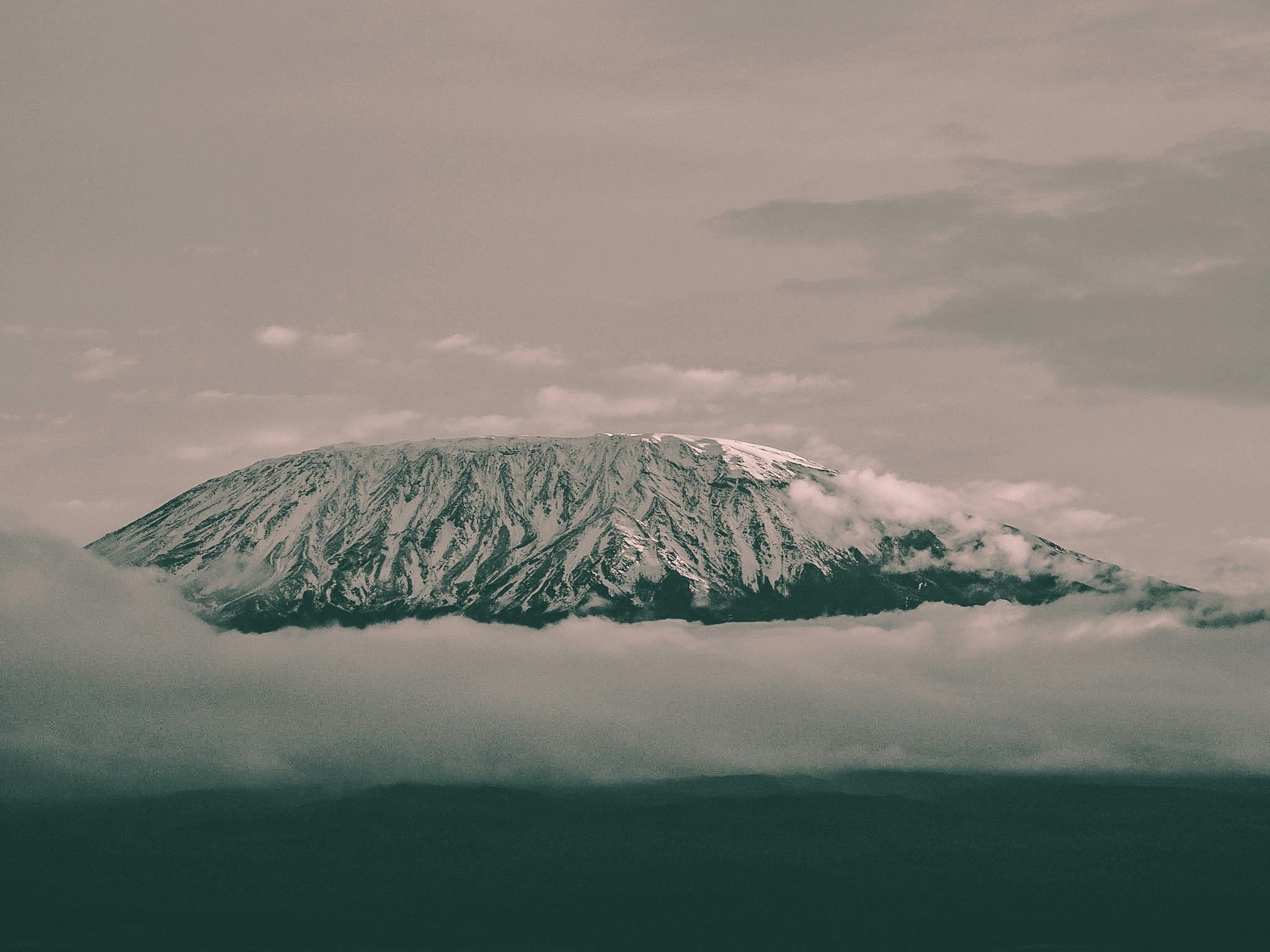
Mount Kilimanjaro
There is a moment on every Kilimanjaro climb that nobody tells you about in advance. It comes somewhere on the summit night, at around 5,000 metres, when the cold is absolute and the darkness is complete and the only sound is your own breathing and your boots on the volcanic scree. You look up and see the Milky Way above you — a river of stars so dense it looks solid — and you look down and see the lights of the towns of Tanzania spread across the darkness of the continent below. And you understand, in a way that no photograph or documentary has ever quite communicated, where you are. You are on the roof of Africa. You are on the highest point on the continent. And you put it there, one step at a time. Mount Kilimanjaro is Africa's tallest mountain at 5,895 metres above sea level and one of the world's most accessible high-altitude summits. It is a free-standing volcanic massif that rises from the savannah plains of northern Tanzania — visible on clear mornings from as far as 200 kilometres away — with no technical climbing required. No ropes. No crampons. No prior mountaineering experience. Just boots, determination, and the discipline to walk slowly, breathe deeply, and trust the process of acclimatisation. Every year, approximately 50,000 people attempt to climb Kilimanjaro. Roughly 65% of them reach Uhuru Peak — the highest point on the summit crater rim. The ones who succeed almost all share three things: they chose the right route, they had the right number of days, and they climbed with a guide and team who knew the mountain. The ones who do not succeed almost always chose too few days, moved too fast, or underestimated the seriousness of altitude. This guide gives you everything you need to plan a successful Kilimanjaro climb in 2026 — the routes, the realistic costs, the best seasons, the altitude sickness reality, the summit night hour-by-hour, what to pack, how to train, and how to combine the climb with the Tanzania safari that Kilimanjaro's location makes so naturally available. It is written by the team at adventuresseeker.com, based in Arusha at the mountain's foot, who have guided climbers to the summit and back down across every route and every season.
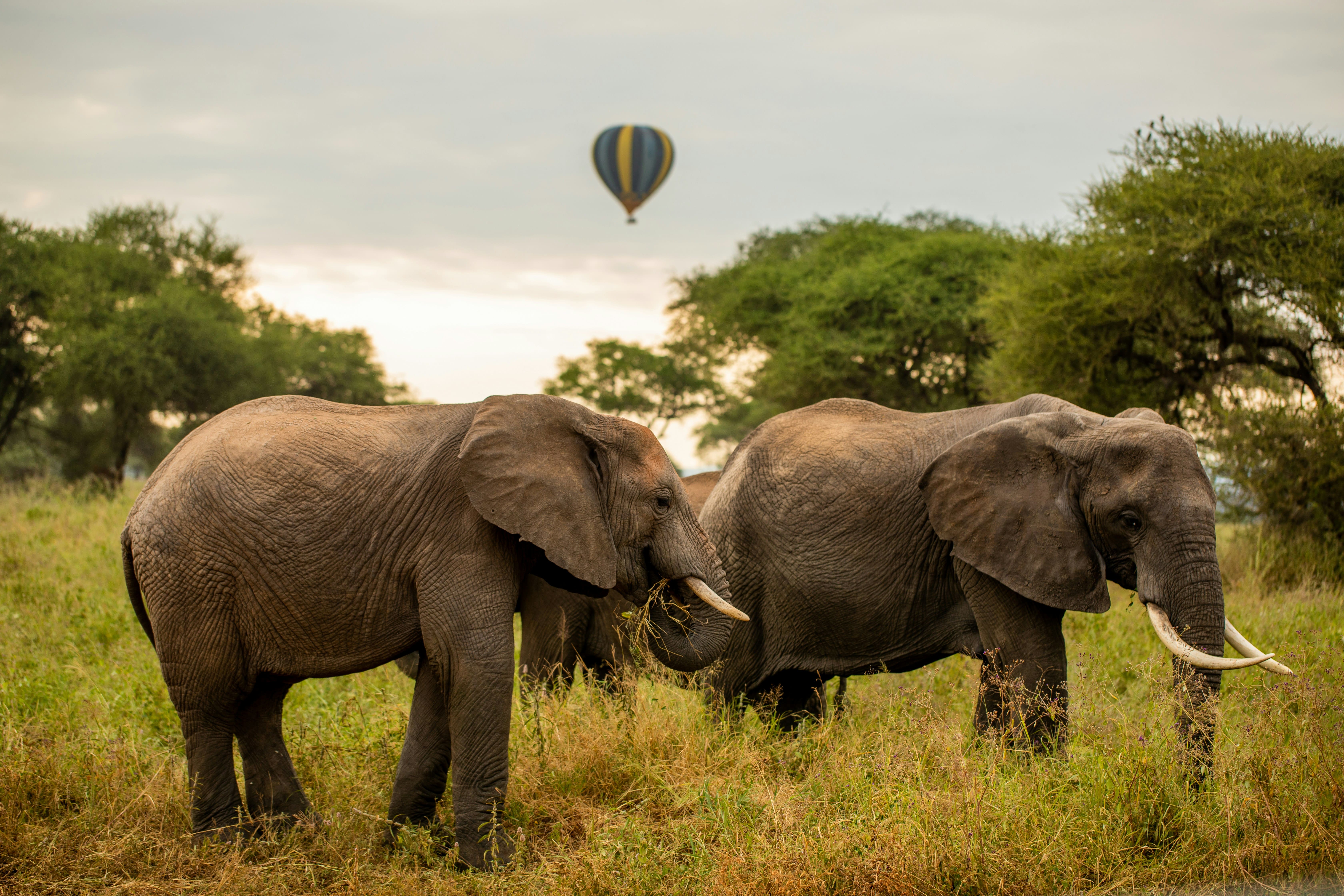
Tarangire National Park
There is a moment that every first-time Tarangire visitor experiences, and it is almost always at the Tarangire River in the dry season: rounding a bend in the road and finding themselves looking at what appears to be a grey, moving hillside — which resolves, as the dust settles, into a herd of three hundred elephants. Not thirty. Not a hundred and thirty. Three hundred. Moving together, calling to each other, calves tucked between adult legs, bulls moving at the periphery, the matriarch leading the column down the bank to drink. Tarangire National Park is Tanzania's most underrated major destination. It sits just two hours from Arusha — the closest Northern Circuit park to the safari capital — and it consistently delivers wildlife experiences that rival the Serengeti at its peak. The Tarangire River, the only permanent water source for hundreds of kilometres during the dry season, becomes a magnet that draws every large mammal in the region, concentrating them in densities that staggers even visitors who have been on dozens of safaris. But Tarangire is more than elephants. Its landscape is defined by the ancient African baobab — trees of extraordinary size and age, some over a thousand years old, whose vast, water-storing trunks and reaching branches create a setting unlike any other park in Tanzania. Its bird list of 550+ species makes it one of Africa's finest birding parks. Its pythons, found at 'Python Rock' in concentrations found nowhere else in East Africa, are a specialist attraction with no equivalent. And its reputation for being quieter and less crowded than the Serengeti and Ngorongoro makes every encounter feel more private, more intimate, and more genuinely wild. This guide gives you everything you need to plan a Tarangire safari in 2026 — the landscape, the wildlife, the baobabs, the best timing, the activities, the accommodation options across all tiers, real costs, and how to position Tarangire within a Northern Circuit itinerary that makes the most of what this extraordinary park delivers.
Lake Manyara National Park
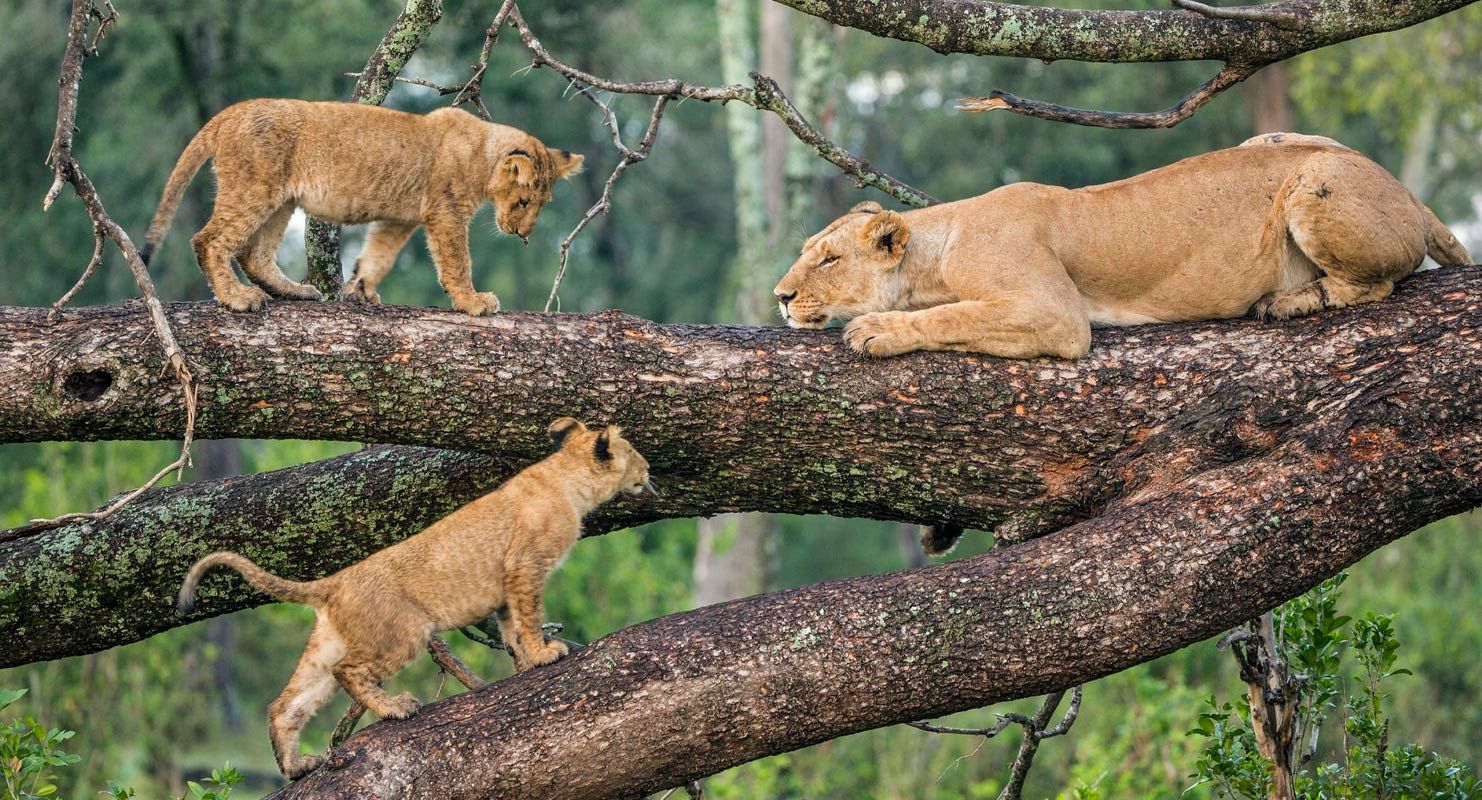
Lake Manyara National Park is Tanzania's most compact and most underestimated safari destination. At just 648 square kilometres — smaller than the city of Houston — it packs a remarkable density of ecosystems, species, and landscapes into a space that most Northern Circuit itineraries cover in a single day. And yet that single day consistently produces encounters that visitors remember for years: a pride of lions draped through the branches of a fig tree six metres above the ground, a wall of ten thousand flamingos lifting from a pink lake, a herd of elephants emerging silently from the groundwater forest into bright afternoon sun. Manyara sits at the base of the Great Rift Valley escarpment — a 600-metre cliff wall that defines the western boundary of the park and creates one of East Africa's most dramatic backdrops. Ernest Hemingway, after visiting in the 1930s, called it 'the most beautiful lake in Africa.' The Maasai name for the lake — Manyara, meaning place of the Apocynum plant — gives the park its name and hints at the deep indigenous ecological knowledge embedded in this landscape. This guide covers everything you need to know about Lake Manyara National Park in 2026: its six distinct habitat zones, its most famous wildlife (including the tree-climbing lions that appear in almost no other location on Earth), its extraordinary flamingo and birdlife, the best time to visit, and how to position it correctly within a Northern Circuit itinerary. It is written by the team at adventuresseeker.com, based in Arusha, who have guided visitors through Manyara's groundwater forest and along its lake shore across every season.
Ngorongoro Conservation Area
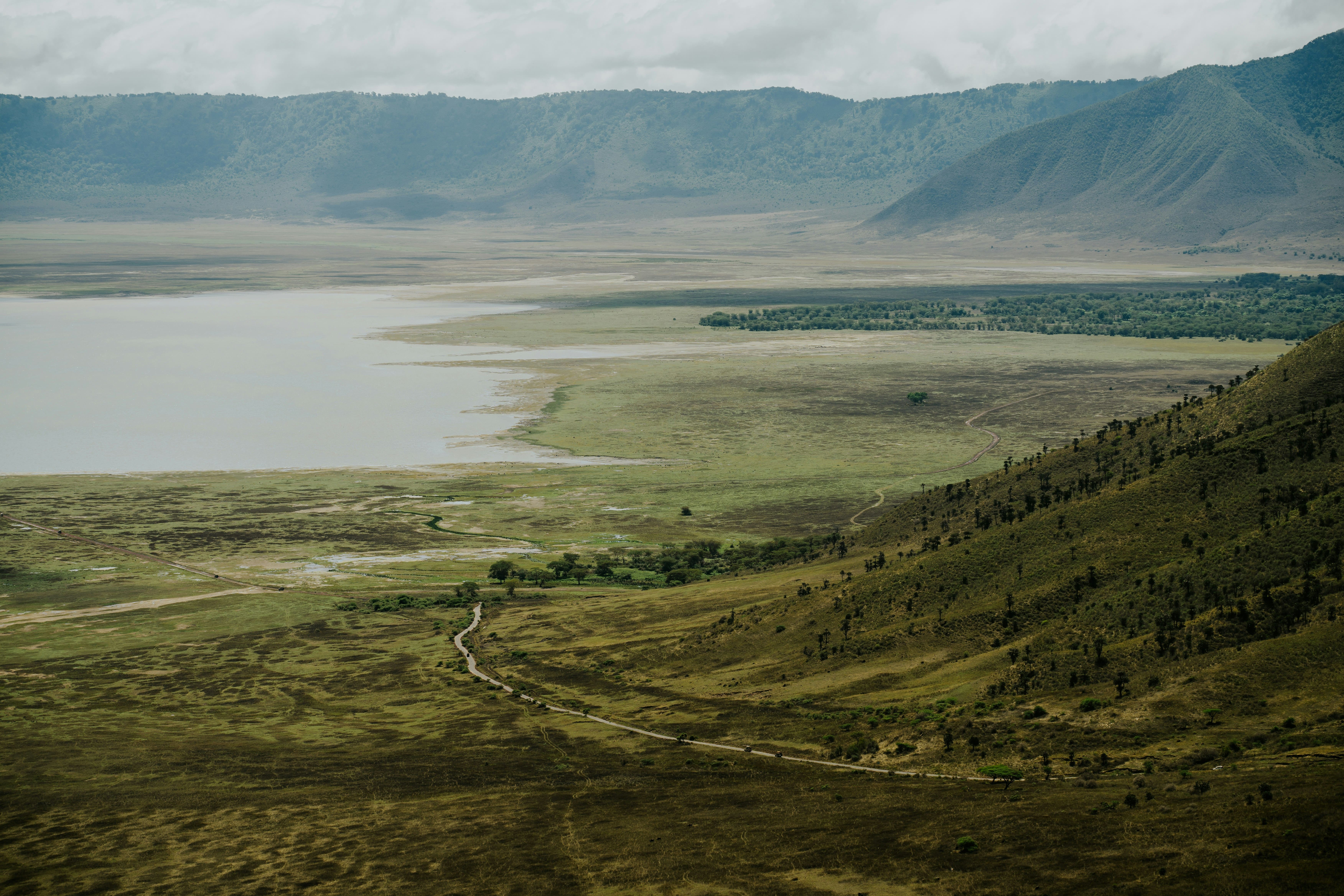
There are places that stop you mid-sentence when you try to describe them. The Ngorongoro Crater is one of them. Standing on the rim at dawn — 600 metres above the caldera floor, looking down into a world that contains 25,000 large mammals in an area you can see the edge of — the scale and the density of what you are about to descend into simply does not compute against any previous experience. The Ngorongoro Crater is the world's largest intact and unfilled volcanic caldera, formed approximately two to three million years ago when a massive volcano collapsed inward on itself. The resulting bowl — 19 kilometres wide, 600 metres deep, and 260 square kilometres of floor — created a near-enclosed ecosystem that traps moisture year-round and anchors a permanent population of animals that rivals any wildlife destination on Earth for sheer density. Unlike the Serengeti, where the Great Migration draws visitors to specific zones at specific times, the Ngorongoro Crater is reliably extraordinary in every month of the year. The Big Five are present year-round. Tanzania's most accessible black rhino population lives on the crater floor. Lions, elephants, and hippos are seen on virtually every descent. The question is not whether you will see wildlife in the Ngorongoro Crater — it is how much. This guide gives you everything you need to plan your Ngorongoro crater safari in 2026: the geology, the wildlife, the specific zones within the crater, the strategy for a crater descent that maximises your permit time, the accommodation options on the rim and within the conservation area, and the full practical picture on costs, logistics, and how to combine it with the broader Northern Circuit.
Page 1 of 2 — 11 destinations total
Quick Facts
Total Destinations
11
UNESCO Sites
7+
National Parks
16
Why Visit Tanzania?
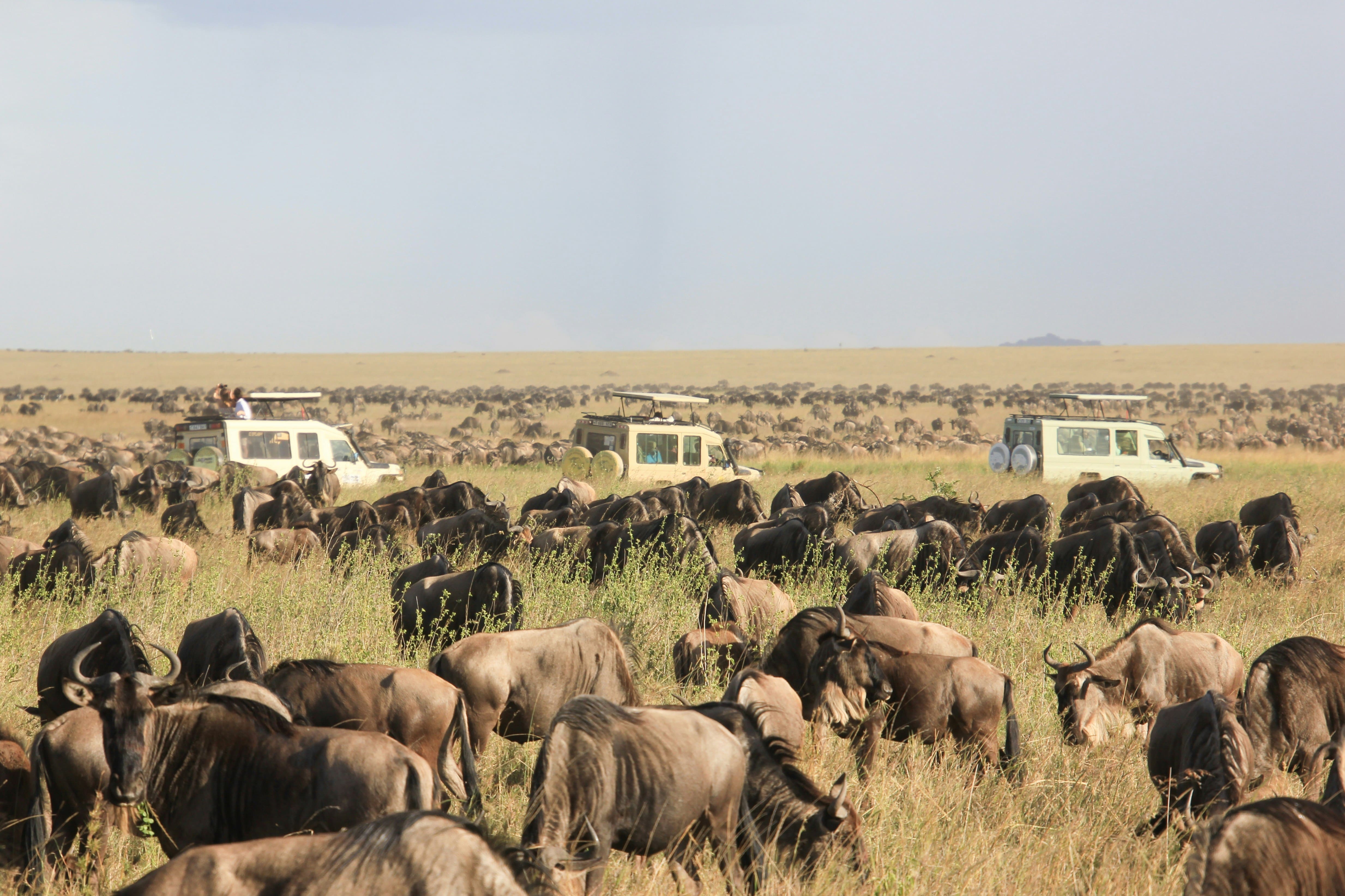
- ✓World's largest wildlife migration
- ✓Home to Mount Kilimanjaro
- ✓Big Five game viewing
- ✓Pristine beaches & islands
- ✓Rich cultural heritage
Plan Your Adventure
Ready to explore Tanzania's iconic destinations? Get in touch with our travel experts to plan your perfect safari.
Request a custom itinerary for your next trip to Tanzania.
Our team of travel experts is here to help you create a custom itinerary for your next trip to Tanzania. We will work with you to create a itinerary that is tailored to your needs and budget.