
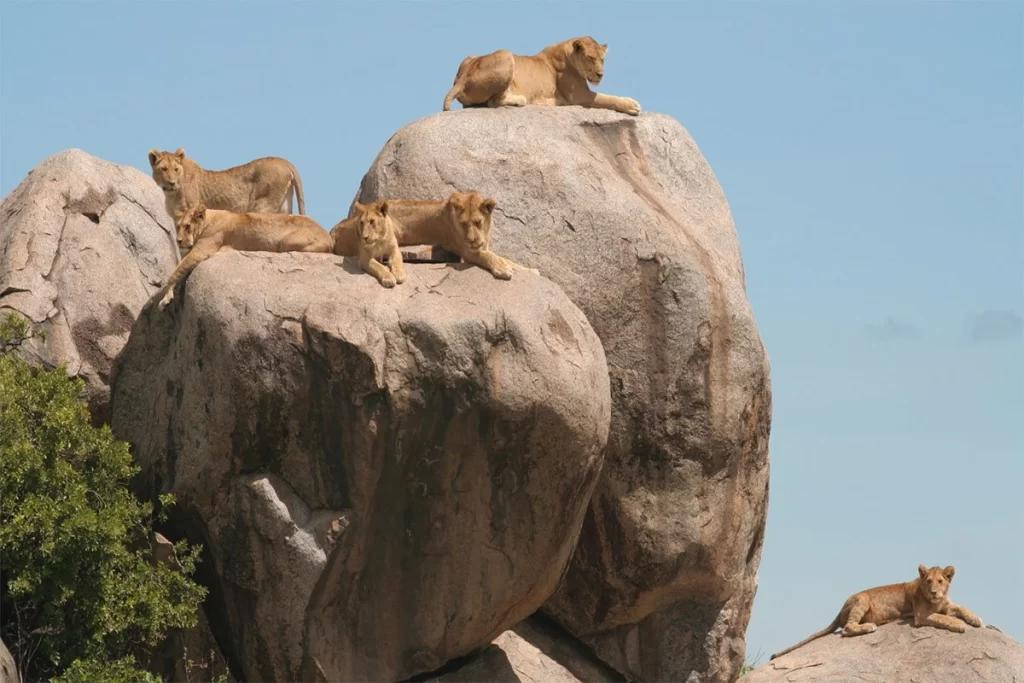
Tanzania Safari: The Ultimate 2026/2027 Planning & Itinerary Guide
July 14, 2026
You have been thinking about it for a while. Maybe for years. The Serengeti. The Great Migration. The Ngorongoro Crater. A Tanzania safari is the kind of trip that lives in people's heads long before it lives in their passports — a place so mythologised that planning it can feel simultaneously exciting and overwhelming.
This guide exists to remove the overwhelm. It is the most complete Tanzania safari planning resource we have built at adventuresseeker.com — written not by a content team in a London office but by the people based in Arusha who plan and operate Tanzania safaris every week of the year. Every piece of advice in this guide comes from ground-level knowledge: the specific river banks where the wildebeest crossings happen, the exact months when Tarangire's elephant herds peak at 300 animals, the operator questions that reveal a reliable company from a broker, and the real costs across every budget tier.
Whether you are planning your first Tanzania safari for 2026, mapping a return visit for 2027, or trying to decide between July and February, the Northern Circuit and the Southern Circuit, a budget camping trip and a luxury lodge experience — this guide has the specific, actionable answers you need.
Read it from the beginning or jump to the section that matters most to you right now. Everything you need to plan the finest wildlife experience of your life is here.
WHY TANZANIA IS THE WORLD'S GREATEST SAFARI DESTINATION
Before the planning, the question worth answering: with Kenya, South Africa, Botswana, Rwanda, and Zambia all offering extraordinary safari experiences, why does Tanzania consistently rank as the world's finest safari destination?
The Scale Is Unmatched
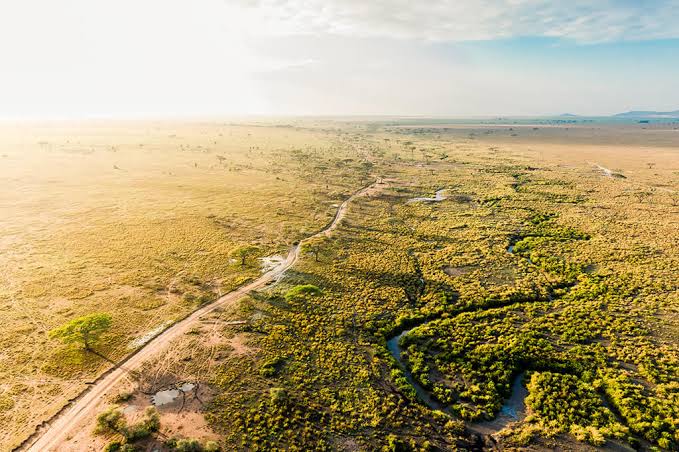
Tanzania dedicates 38% of its total land area to wildlife conservation — more than any other country on Earth. Its protected areas cover 364,000 square kilometres: more than the entire land area of Germany. The Serengeti alone is 14,763 square kilometres — ten times the size of Kenya's Masai Mara. The consequence of this scale is wildness: genuine, undisturbed, functioning ecosystems where wildlife behaviour is not modified by tourist pressure. The lion that walks past your vehicle in the Serengeti has never learned to associate humans with threat or reward. The elephant that crosses the road in Tarangire makes no detour for your presence. This is Africa behaving as it has for millennia.
The Wildlife Numbers Redefine Density
Tanzania holds approximately 25% of Africa's entire large mammal population. Consider what that means in practice:
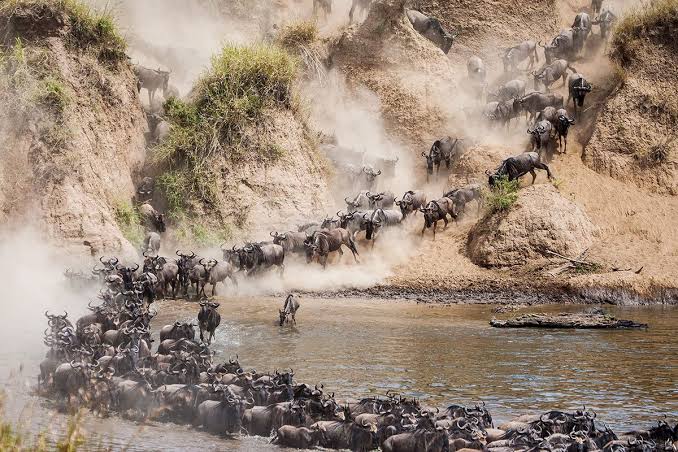
- 1.5 million wildebeest move in a continuous annual loop through the Serengeti-Mara ecosystem — the largest terrestrial migration on Earth.
- 3,000 lions live in the greater Serengeti ecosystem — the highest lion density in Africa.
- 60,000 elephants across Tanzania, with dry-season concentrations at Tarangire of 200 to 400 animals at a single river bank.
- 26 black rhinoceros live permanently on the Ngorongoro Crater floor — Tanzania's most reliably viewable rhino population.
- 500+ bird species in the Serengeti alone — more than the entirety of the British Isles.
Four Completely Different Ecosystems in One Trip
Most safari countries do one ecosystem well. Tanzania offers four distinct experiences within a single 7-to-10-day itinerary:
- Open savannah grassland (Serengeti): The landscape of every Africa documentary you have ever seen — endless golden plains, enormous skies, and the Great Migration.
- Volcanic crater (Ngorongoro): A 19-kilometre-wide, 600-metre-deep caldera that hosts the highest wildlife density in Africa in a single morning's game drive.
- Baobab woodland and riverine forest (Tarangire and Manyara): Ancient baobab trees over 1,000 years old alongside groundwater forest and an alkaline lake with 2 million flamingos.
- Indian Ocean island (Zanzibar): 45 minutes by domestic flight — turquoise water, white sand, UNESCO heritage city, and boutique beach lodges.
The Combination Is Unique on Earth
No other country allows you to watch 300 elephants drink from a river at sunset and be on a white-sand beach in warm Indian Ocean water the following afternoon. Tanzania's geographic position — with the Serengeti to the north and Zanzibar just offshore — creates a travel combination available nowhere else. This is not a marketing claim. It is a geographical fact.
📌 Key Statistic: Tanzania's Nyerere National Park alone covers 54,600 km² — larger than the entire country of Switzerland — and is the largest protected wildlife area in Africa. Most visitors never go there. This is what we mean when we say Tanzania has room.
TANZANIA SAFARI FUNDAMENTALS: WHAT EVERY PLANNER NEEDS TO KNOW
Before choosing parks, dates, and lodges, you need a clear mental model of how a Tanzania safari actually works. These fundamentals determine every decision that follows.
The Two Safari Circuits
Tanzania's major safari parks divide into two distinct geographic circuits, each requiring a separate trip or a domestic flight to combine:
- The Northern Circuit — the foundation of most Tanzania safaris. Connects Arusha (the safari capital), Tarangire, Lake Manyara, Ngorongoro Conservation Area, and the Serengeti in a single road-accessible loop. Five major destinations within 350 kilometres of Arusha. Suitable for 5 to 10 days and all budget levels. Home of the Great Migration, the Big Five, the Ngorongoro Crater, and the baobab elephant experience.
- The Southern Circuit — Tanzania's remote, less-visited alternative. Covers Ruaha National Park, Nyerere National Park (formerly Selous), and Mikumi. Accessed by domestic flight from Dar es Salaam or Arusha. More expensive per day but dramatically less crowded. Home of wild dogs, boat safaris, walking safaris, and a level of exclusivity unavailable in the north.
- The Western Circuit — specialist destination for chimpanzee trekking. Covers Mahale Mountains and Gombe Stream on the shores of Lake Tanganyika. Reached by combination of flight and lake boat. Best combined with the northern or southern circuit on a 14-day or longer itinerary.
🗺️ Planning Principle: First-time Tanzania visitors: plan the Northern Circuit. It delivers the Great Migration, Big Five, Ngorongoro Crater, and Zanzibar extension within a single, logistically clean itinerary. Add the Southern or Western Circuit on a return visit.
Private vs Shared Safari — The Most Important Decision
This single decision shapes your entire safari experience more than which lodge you choose or which month you travel:
- Private safari: Your own Land Cruiser, your own guide, your own schedule. You decide when to move, how long to stay at a sighting, and where to go. The lion hunt unfolding at 40 metres holds your attention for as long as you want. The wildebeest crossing keeps you on the bank for three hours without any pressure to leave. Private safaris cost 15–35% more than shared equivalents. For couples, families, and serious wildlife travellers, this premium is the best money spent anywhere in the itinerary.
- Shared safari: You share a Land Cruiser (maximum 6 properly seated passengers) with other travellers on a fixed group itinerary. Costs are lower. Other passengers' preferences, timelines, and tolerance for long sightings affect your experience. Recommended for solo travellers on a budget, those with flexible expectations, or anyone doing a budget camping safari where group dynamics are part of the experience.
The Four Accommodation Tiers
Tanzania's safari accommodation spans an extraordinary range — from public campsites with shared facilities to lodges that cost $4,000 per person per night. Understanding the tiers removes confusion from quotes and helps you evaluate what you are actually paying for:
- Budget camping ($1,800–$2,800 per person for 7 days): Public campsites with shared or basic facilities. Shared vehicles. The wildlife is identical to the luxury tier — the same lion prides, the same river crossings, the same elephant herds. The difference is the camp at night. Genuine value for experienced travellers, backpackers, and those prioritising time in the field over comfort between drives.
- Comfort lodge ($2,800–$5,000 per person for 7 days): Private en-suite bathroom, hot water, proper bed and linen, three-course meals, reliable vehicle, knowledgeable guide. The most common tier for first-time international safari visitors. The sweet spot between cost and experience — most guests at this tier describe their trip as extraordinary.
- Premium safari ($5,000–$9,000 per person for 7 days): Named lodge properties with larger rooms, higher food and beverage quality, swimming pools, private vehicles as standard, sometimes exclusive concessions. The step up in lodge quality is meaningful; the step up in wildlife is marginal.
- Luxury safari ($9,000–$20,000+ per person for 7 days): Singita, Four Seasons, &Beyond, Sanctuary, Nomad — properties that rank among the finest hotels in the world. Private aircraft, butler service, exclusive-use concessions, gourmet menus prepared by trained chefs. Extraordinary for honeymoons, milestone celebrations, and travellers for whom comfort and service are as important as wildlife.
What Actually Determines Wildlife Quality
The most important thing to understand about safari tiers: the wildlife is the same across all of them. A $150/night lodge and a $1,500/night lodge in the same park use the same roads, encounter the same animals, and drive the same circuits. What changes between tiers is:
- The comfort, size, and design of your room or tent
- The quality of food and beverage service
- The experience and vehicle quality of your guide
- Whether you have a private vehicle or share with others
- The exclusivity of your game drive experience (concession access, night drives, walking safaris)
A $300/night guide with 15 years of Serengeti experience in a well-maintained pop-top Land Cruiser will consistently outperform a $2,000/night lodge that subcontracts to a generic driver with two years of experience. Guide quality is more important than lodge quality. Ask about it specifically when booking.
BEST TIME FOR A TANZANIA SAFARI: THE COMPLETE 2026/2027 SEASONAL GUIDE
This is the question we receive more than any other, and the honest answer is that there is no single best month — there are four distinct windows, each of which wins at something different. Your ideal month is determined by which specific experience you prioritise.
The Four Planning Windows
Window 1: July to October — The Dry Season (Best Overall)
The East African dry season is Tanzania's most celebrated safari window and rightly so. As rainfall stops, vegetation thins, temporary waterholes dry up, and every large mammal within range is forced to converge on permanent water sources — concentrating them in densities that make wildlife encounters predictable, frequent, and extraordinarily photogenic.
- July and August: The absolute peak. Mara River crossings are happening in the northern Serengeti — the most dramatic wildlife spectacle on Earth. Tarangire elephant herds reach their maximum concentrations at the river. Ngorongoro Crater wildlife is outstanding. Book 10–14 months ahead for July and August.
- September: Crossings continue in the north. Tarangire elephant concentrations remain extraordinary. Slightly fewer visitors than August — prices begin to ease. Excellent overall value.
- October: The last month of the dry season. Elephant and wildlife concentrations are still significant. Landscape is dramatically dusty and golden. Often the finest month for photography. Prices below peak.
- June: The dry season opens. Wildlife excellent and improving rapidly. Prices 15–20% lower than July–August. Better availability. The Grumeti River crossings in the Western Serengeti begin in June — a less famous but often more intense alternative to the Mara crossings.
📅 2026 Booking Window: For July–August 2026 peak season, book immediately. For July–August 2027, the optimal booking window is October–December 2026. Northern Serengeti migration camps sell out completely for their prime months.
Window 2: January to February — Calving Season (Best Value)
The most underrated Tanzania safari window. In January and February, the Great Migration herds settle on the short-grass plains of the southern Serengeti and Ndutu, and roughly 400,000 to 500,000 wildebeest calves are born in a compressed two-to-three-week pulse. The concentration of vulnerable newborns draws Africa's big cats in extraordinary density. Predator action — cheetah kills, lion hunts, leopard stalks — is more frequent and more intense in February than at any other time of year.
- Wildlife intensity: Comparable to or exceeding the Mara River crossings for sustained predator action. More wildlife encounters per game drive hour than any other season.
- Price: 15–30% lower than peak July–August. Excellent value for the wildlife quality.
- Crowds: Significantly lower than peak season. Calving season at Ndutu is Tanzania's best-kept secret.
- Landscape: Lush green — beautiful photographic conditions entirely different from the dry-season golden palette.
- Zanzibar extension: January and February are outstanding beach months in Zanzibar — warm, dry, excellent snorkelling visibility. The calving season and Zanzibar beach combination is arguably the finest overall Tanzania itinerary at the best value.
Window 3: November and December — Shoulder Season
The short rains arrive in November — typically as brief afternoon showers of one to two hours that rarely disrupt game drives. The landscape transforms almost overnight from dust to green. Migratory birds arrive in enormous numbers. Baby animals appear across multiple species. The herds of the Great Migration are moving southward through the central and northern Serengeti toward the calving grounds.
- November: Shoulder pricing — good deals available. Excellent birding. Baby animals in many species.
- December (early): Excellent conditions — improving from November. Good wildlife. Reasonable prices in the first three weeks.
- December (Christmas and New Year): Prices spike 40–80% for the holiday fortnight. Book 12+ months ahead if travelling this window.
Window 4: March to May — Green Season (Best Budget)
The long rains. Heavy, sustained afternoon rainfall. Some seasonal camps close. Certain roads become challenging. Vegetation is thick and dense, making spotting harder. And yet for the right traveller, this window offers genuine rewards:
- Price: Deepest discounts of the year — 30–45% off standard lodge rates. Luxury properties available at comfort prices.
- Crowds: Essentially zero. You can drive the central Serengeti for hours without seeing another vehicle.
- Birding: Outstanding. Peak month for migratory species and resident breeding activity.
- Ngorongoro Crater: Remains excellent year-round regardless of rim conditions.
- Tarangire: Less productive for elephant concentrations but very good for birds and resident wildlife.
Month-by-Month Quick Reference for 2026/2027
Here is the at-a-glance guide for every month — what to prioritise, where to go, and what to expect:
- January 2026/2027: Southern Serengeti and Ndutu Plains. Predator density building ahead of calving. Excellent green season photography. Standard pricing. Good availability.
- February 2026/2027: Ndutu calving season peak. Best predator action of the year. Warm, mostly dry. Standard pricing — best value for wildlife quality ratio of any month.
- March 2026/2027: Transition month. Rains beginning. Herds moving north. Ngorongoro and Tarangire excellent. Prices falling. Book 4–5 months ahead.
- April 2026/2027: Long rains. Deep low season. Some camps close. Ngorongoro Crater always productive. 30–45% discounts. For budget/birding travellers only.
- May 2026/2027: Late rains. Lowest prices of the year. Birding exceptional. Herds reaching Western Corridor. Road conditions improving late May.
- June 2026/2027: Dry season opens. Grumeti River crossings begin. Wildlife building rapidly. Prices 15–20% below peak. Good availability still in early June.
- July 2026/2027: Mara River crossings begin. Peak season. Northern Serengeti camps full. Tarangire elephants building. Book 10–14 months ahead.
- August 2026/2027: Peak season. Peak Mara crossings. Peak Tarangire elephants (200–400 at river). Most expensive month. Extraordinary wildlife across all parks.
- September 2026/2027: Crossings continuing. Tarangire still excellent. Slightly fewer crowds than August. 10–15% lower prices. Outstanding value.
- October 2026/2027: Late dry season. Dramatic golden landscape. Elephant concentrations still high. Prices easing from peak. Excellent overall month.
- November 2026/2027: Short rains begin. Landscape refreshes. Baby animals. Migratory birds arriving. Shoulder pricing. Good value.
- December 2026/2027: Early December excellent value. Christmas/New Year window very expensive. Herds moving south. Zanzibar perfect for beach extension.
TANZANIA'S SAFARI PARKS: WHAT EACH ONE DELIVERS
Each of Tanzania's major safari parks offers a fundamentally different experience. Here is the specific, practical breakdown — what each park is best at, when to visit it, and what you should not miss.
Serengeti National Park
Tanzania's flagship park — 14,763 square kilometres, UNESCO World Heritage Site, home of the Great Migration and the highest lion density in Africa. The Serengeti has four distinct zones, each excellent at a different time of year:
- Southern Serengeti and Ndutu Plains (best January–March): The calving season zone. 400,000–500,000 wildebeest calves born in February. Extraordinary predator concentration. Lush green landscape. Mobile tented camps follow the herds.
- Central Serengeti / Seronera (best year-round): The most consistently productive zone in any month. The Seronera River anchors resident lions, leopards on kopje fig trees, hippos, crocodiles. Best base for first-time visitors on shorter itineraries.
- Western Corridor and Grumeti River (best May–July): First major river crossing of the migration. Enormous Nile crocodiles. Singita Grumeti's exclusive private concession. Less crowded than the north.
- Northern Serengeti / Kogatende (best July–October): The Mara River crossings. Thousands of wildebeest leaping into crocodile-filled water. The most sought-after wildlife event on Earth. Book 12–14 months ahead.
🦁 Serengeti Insight: The central Seronera area is the only Serengeti zone that is genuinely excellent in every single month of the year. If you are uncertain about timing or budget-constrained on nights, base yourself in Seronera and you will not be disappointed regardless of when you visit.
Ngorongoro Conservation Area
The world's largest intact volcanic caldera — 19 kilometres wide, 600 metres deep, 260 square kilometres of floor — home to approximately 25,000 permanently resident large mammals. The Ngorongoro Crater is Africa's most reliable Big Five destination:
- Black rhinoceros: Approximately 26 individuals, individually monitored. Sighted on approximately 65–70% of full-day crater visits with an experienced guide. Tanzania's most reliably viewable rhino population anywhere.
- Lions: 60–75 individuals in an isolated, intensively studied population. Seen on virtually every crater descent.
- Elephants: Primarily large, old bulls — impressively tusked individuals that move through the Lerai Acacia Forest.
- Hippos: Mandusi Hippo Pool holds 50+ animals year-round — one of Africa's most accessible hippo encounters.
- Flamingos: Lake Magadi on the crater floor hosts thousands of flamingos, peaking November–April.
The crater descent fee is $295 per vehicle in addition to the standard entry fee. Two descents across a 2-night stay are strongly recommended — the crater floor is 260 square kilometres and a second morning reveals wildlife that the first did not.
- Olduvai Gorge: 45 minutes west by road — the most important palaeontological site on Earth, where Louis and Mary Leakey discovered fossil evidence of our earliest ancestors. A 2-hour stop on the drive between Ngorongoro and the Serengeti. Do not skip it.
- Empakaai Crater: A second, smaller, deeper caldera with a flamingo lake. Reached only by foot — a 45-minute hike down through forest. One of Tanzania's finest hidden experiences.
Tarangire National Park
Tanzania's most underrated major park and its finest elephant destination. Just 2 hours from Arusha, Tarangire consistently surprises first-time visitors with its scale and its wildlife density:
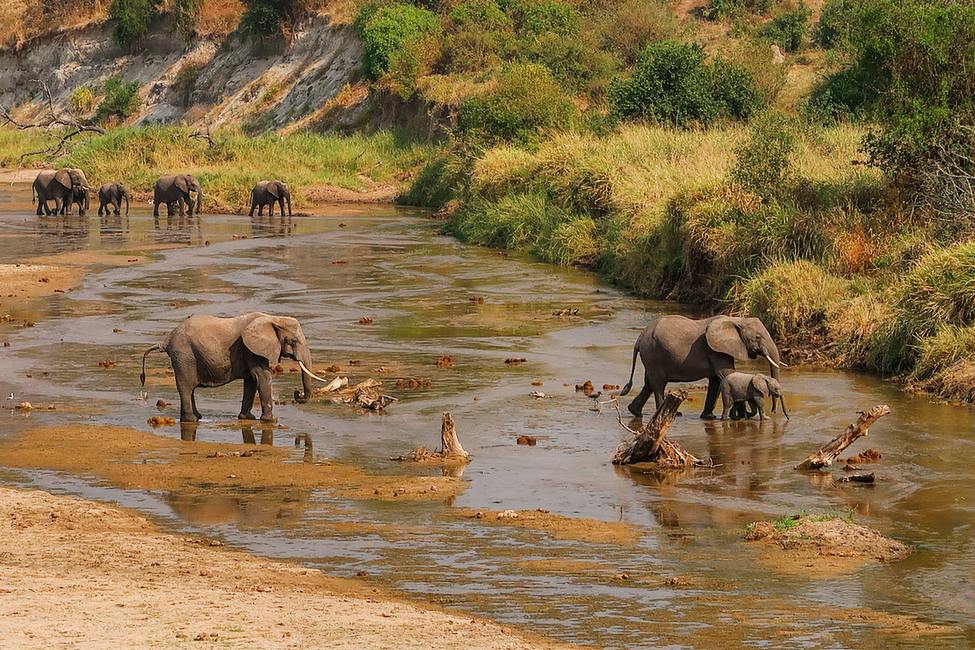
- Elephants: The Tarangire River becomes the only permanent water in a vast area during the dry season. Herds of 200–400 animals converge simultaneously at the river bank in August and September — the greatest elephant spectacle in northern Tanzania. A single morning on the river bank can produce more elephant encounters than a week in any other Northern Circuit park.
- Baobab trees: Ancient African baobabs, some estimated over 1,000 years old, define Tarangire's landscape. These enormous, smooth-barked trees create photography opportunities available in no other Tanzania park.
- Python Rock: A specific rocky outcropping in the southern park where 5–8 African rock pythons (3–5 metres each) bask simultaneously in the dry season. No equivalent exists in East Africa.
- Birding: 550+ species recorded — the finest birding park in the Northern Circuit. Tanzania endemics including the Ashy Starling, Rufous-tailed Weaver, and Yellow-collared Lovebird are Tarangire specialties.
- Walking safaris: Oliver's Camp and Little Oliver's Camp operate guided walking safaris in the southern park — some of Tanzania's finest walking safari experiences.
Lake Manyara National Park
Tanzania's most compact Northern Circuit park and one of its most ecologically diverse. Six completely different habitats compressed into a 50-kilometre-long strip between the Rift Valley escarpment and an alkaline lake:
- Tree-climbing lions: One of only three places in the world where lions routinely rest in trees. Specific prides use specific fig trees consistently — a knowledgeable guide knows which trees to check. Sighting probability approximately 50–65% on a full-day visit.
- Flamingos: Up to 2 million flamingos on the alkaline lake at peak (November–April). Ernest Hemingway called it 'the most beautiful lake in Africa.'
- Groundwater forest: A dense, cathedral-like forest fed by underground springs from the escarpment base. Blue monkeys, olive baboons, and elephants at close range in an entirely different setting from the open savannah.
- Hippo pool: 50+ hippos in a permanent pool at the park's north end — close-range viewing from a vehicle pull-off.
- Iain Douglas-Hamilton elephant research: The park where the pioneering 1960s study of elephant social behaviour was conducted — the research that led directly to the ivory trade ban. The elephants here have descendants of Douglas-Hamilton's original named families.
The Southern Circuit — For the Experienced Visitor
Tanzania's Southern Circuit parks offer a completely different — and for many experienced safari travellers, superior — experience:
- Ruaha National Park (20,226 km² — Tanzania's largest): Some of Africa's largest lion prides, one of the continent's best destinations for African wild dogs, enormous elephant herds along the Great Ruaha River, greater kudu, sable antelope. Visits require a domestic flight but deliver extraordinary exclusivity — fewer than 15,000 visitors per year.
- Nyerere National Park (54,600 km² — Africa's largest protected area): The only park in Tanzania with boat safaris on the Rufiji River — hippos, Nile crocodiles, fish eagles, and swimming elephants viewed from water level. Walking safaris, fly camping. African wild dogs, massive lion prides, hippo pods of 80 or more.
- Mahale Mountains National Park: Accessible only by boat across Lake Tanganyika. Chimpanzee trekking with habituated M-Group individuals — 60+ chimpanzees that have been studied since 1965. One of Africa's most intimate wildlife experiences.
- Katavi National Park: Tanzania's most remote major park. Under 1,000 visitors per year. Dry-season hippo pods of 200–400 animals sharing shrinking river pools. Buffalo herds of 1,000. Lions walking in the open. Complete wilderness.
TANZANIA WILDLIFE CALENDAR 2026/2027: WHEN TO SEE WHAT
Planning your trip around specific wildlife events transforms a Tanzania safari from a general wildlife experience into a precisely targeted encounter with something extraordinary. Here is the complete wildlife calendar:
The Great Migration — Month by Month
- January (Southern Serengeti / Ndutu): Herds of 1.5 million wildebeest settled on the short-grass calving plains. Predator density building. Green landscape, clear skies.
- February (Ndutu Plains — Peak Calving): 400,000–500,000 calves born in a 2–3 week window. Africa's most intense predator-prey action. Cheetah kills, lion hunts, hyena pack hunts happening multiple times per day within a small area.
- March–April (Central Serengeti): Herds moving northward and westward as rains arrive. Long rains reducing accessibility.
- May–June (Western Corridor): Herds reaching the Western Corridor. Grumeti River crossings begin in June — chaotic, intense, crocodile-dense.
- July–August (Northern Serengeti — Peak Crossings): Mara River crossings at maximum frequency. Herds of thousands leaping simultaneously. The most photographed wildlife event in the world. Peak visitor numbers, peak prices, peak drama.
- September (Northern Serengeti / Kenya): Crossings continuing. Some herds in Kenya's Masai Mara. Slightly lower visitor numbers than August.
- October (Northern Serengeti → South): Herds beginning return journey. Crossings may still occur. Resident wildlife in all parks excellent.
- November–December (Central and Southern Serengeti): Herds dispersing south with short rains. Baby animals across many species. Transition toward calving season.
Wildlife Peak Periods by Species
Beyond the migration, here are the peak viewing windows for Tanzania's most sought-after species:
- Wildebeest calving: February at Ndutu Plains — the single greatest concentration of vulnerable young mammals on Earth
- Lion (maximum density): June–October in the Serengeti and Ngorongoro Crater — dry season prey concentration brings lions to predictable locations
- Leopard (most viewable): June–October at Serengeti Seronera kopjes — dry season open conditions expose habituated individuals
- Cheetah: January–March (Ndutu, calving season concentration) and June–October (central Serengeti open plains)
- African wild dog: June–November at Ruaha and Nyerere — dry season and denning period
- Elephant (maximum herds): July–October at Tarangire — the Tarangire River becomes the only water source
- Black rhino: Year-round at Ngorongoro Crater — best visibility June–October when vegetation is sparse
- Hippopotamus: Year-round but best viewed dry season (June–October) when pools shrink and concentrate animals
- Flamingo: November–April at Lake Manyara and Ngorongoro Crater Lake Magadi — alkaline conditions peak
- Chimpanzee: June–October only at Mahale Mountains — dry season trails are accessible; wet season trekking is unsafe
- Birding (migratory species): November–April — European and Asian migrants arrive dramatically increasing species diversity across all parks
- Nile crocodile (crossings): June–September at Grumeti River and Mara River — when migration herds cross
HOW MUCH DOES A TANZANIA SAFARI COST IN 2026 AND 2027?
This is the question most people hesitate to ask directly and most operators hesitate to answer honestly. Here is the complete, transparent cost picture for 2026 and 2027 planning.
What You Are Actually Paying For
A Tanzania safari quote covers five distinct cost components. Understanding each one helps you evaluate quotes accurately and identify whether you are being overcharged or — more commonly — under-served:
- Park entry fees (15–25% of total): Set by the government. Non-negotiable. $70 per person per day at all major parks. Plus $295 per vehicle for each Ngorongoro Crater descent. These fees are the same regardless of operator, tier, or booking platform.
- Accommodation (40–55% of total): The biggest variable. The tier you choose — camping, comfort lodge, premium, luxury — determines this figure more than anything else.
- Vehicle and fuel (15–20% of total): A properly maintained Toyota Land Cruiser 4WD with a pop-top roof, fuel, and maintenance across all parks. The difference between an owned vehicle and a subcontracted one matters enormously for reliability.
- Guide / driver (5–10% of total): Wages, accommodation, and meals for your guide. The single most important variable in your wildlife experience — yet the hardest to evaluate from a quote.
- Operator margin (10–15% of total): The operator's profit and overhead. A transparent operator shows this clearly. A broker hides their commission in the accommodation or vehicle line.
Park Entry Fees — The Fixed Floor
Before any accommodation or vehicle cost, a 7-day Northern Circuit safari incurs these fixed, non-negotiable government fees per person:
- Tarangire (2 days): $140 + $40 vehicle entry
- Lake Manyara (1 day): $70 + $40 vehicle entry
- Ngorongoro (2 days): $140 + $40 vehicle entry + $295 × 2 crater descents = $730
- Serengeti (3 days): $210 + $40 vehicle entry
- Total park fees (7 days, shared private vehicle for 2 passengers): Approximately $550–$660 per person — before a single night of accommodation
Any quote significantly below these figures should prompt an immediate question: which parks are being omitted, or is the crater descent being excluded?
📌 Cost Reality Check: A 7-day Northern Circuit safari with 2 crater descents, private vehicle, and comfort-tier lodging realistically costs $3,500–$5,500 per person including all park fees. Any quote below $2,500 for this itinerary is either omitting parks, using shared vehicles, or budget camping. This is not a criticism — it is context.
Full Cost by Tier: 7-Night Northern Circuit
Here is the honest per-person cost for a 7-night Northern Circuit safari at each tier, covering Tarangire (2 nights), Ngorongoro (2 nights, 2 crater descents), and Serengeti (3 nights):
- Budget camping: $1,800 – $2,800 per person. Public campsites, shared facilities, shared vehicle. All parks and crater descents included.
- Comfort lodge: $3,000 – $5,500 per person. Private en-suite, full board, private vehicle. The most popular and most recommended tier for first-time visitors.
- Premium safari: $5,500 – $9,500 per person. Named premium lodges, private vehicle as standard, higher food quality, possible concession access.
- Luxury safari: $9,500 – $22,000+ per person. Top-tier lodges (Singita, &Beyond, Four Seasons), private aircraft transfers, exclusive concession game drives, butler service.
How Season Moves the Price
Lodge prices follow a predictable seasonal pattern tied to wildlife demand:
- April–May (long rains): –30% to –45% from standard. The deepest discounts of the year. Luxury lodges available at comfort prices. Some camps close.
- March and November (shoulder): –5% to –15% from standard. Good availability. Transitional conditions.
- January–February (calving): Standard pricing. Outstanding wildlife. Best value-to-quality ratio of any window.
- June and October (shoulder dry): +10% to +20% from standard. Excellent conditions, reasonable availability.
- July–September (peak dry): +30% to +60% from standard. Maximum demand. Book 10–14 months ahead.
- Christmas and New Year (Dec 24–Jan 2): +40% to +80% from standard. Very limited availability. Premium mandatory for holiday travellers.
Hidden Costs to Budget For
The following costs are often excluded from initial quotes. Budget for all of them:
- Hot air balloon over the Serengeti: $600–$700 per person. Book in advance. Non-refundable — weather cancellations are reboooked.
- Travel insurance (medical evacuation included): $80–$200 per person for a 10-day trip. Non-negotiable for safari travel.
- International flights: $900–$2,000 per person return from Europe; $1,200–$2,500 from North America.
- Domestic flights (Serengeti → Zanzibar): $100–$180 per person one way.
- Malaria prophylaxis: $40–$100 depending on medication and trip length.
- Tips: $15–$25 per person per day for your guide; $5–$10 per person per day for lodge staff. Budget $200–$350 per person for a 10-day trip.
- Tanzania e-Visa: $50–$100 per person depending on nationality.
- Zanzibar excursions (if adding beach): $120–$300 per person for Stone Town tour, Mnemba snorkelling, dhow cruise.
8 COMPLETE TANZANIA SAFARI ITINERARIES FOR 2026 AND 2027
Here are eight fully planned itineraries covering every duration, budget, and travel style. All are operated from Arusha by adventuresseeker.com and include private vehicle as standard.
Itinerary 1: 5 Days — The Essential Northern Circuit
The minimum viable Northern Circuit itinerary — enough to experience three of the four major parks without feeling rushed. Best for travellers with limited annual leave or those combining with a Zanzibar extension.
- Best for: First-time visitors, short leave allowances, Zanzibar combination
- Best months: June–October for dry-season wildlife; January–February for calving
- Day 1 — Arrive Kilimanjaro (JRO). Transfer to Arusha. Welcome briefing. Overnight Arusha.
- Day 2 — Tarangire National Park. Full day game drive — Tarangire River elephant herds, baobabs, lion, giraffe. Overnight Tarangire lodge.
- Day 3 — Tarangire morning drive. Drive to Ngorongoro via Lake Manyara (half-day stop — groundwater forest, hippo pool, flamingos). Overnight Ngorongoro rim.
- Day 4 — Dawn Ngorongoro Crater descent. Big Five morning — black rhino search, lions, elephants in Lerai Forest, hippo pool, flamingos. Drive to central Serengeti. Overnight Serengeti camp.
- Day 5 — Full morning Serengeti game drive. Transfer to Seronera airstrip. Fly to Zanzibar or return to Arusha/JRO. Depart.
Itinerary 2: 7 Days — The Classic Northern Circuit (Most Popular)
The gold-standard Tanzania safari itinerary. Seven days gives enough time to do every park justice while maintaining a comfortable, unhurried pace.
- Best for: Most first-time visitors, couples, families
- Best months: Year-round — adjusted by zone within Serengeti
- Day 1 — Arrive JRO. Transfer to Arusha. Welcome dinner. Overnight Arusha.
- Day 2 — Tarangire National Park. Full day — river bank elephant herds, Python Rock, baobab woodland, Silale Swamp birds. Overnight Tarangire.
- Day 3 — Tarangire morning drive. Lake Manyara afternoon — groundwater forest, tree-climbing lion search, hippo pool. Overnight Manyara area.
- Day 4 — Ngorongoro Conservation Area. Dawn Manyara drive. Drive to rim via Karatu. Afternoon rim walk. Olduvai Gorge stop. Overnight Ngorongoro rim.
- Day 5 — Dawn Ngorongoro Crater descent — full 6 hours on crater floor. Black rhino, lions, hippos, flamingos. Drive to Serengeti. Overnight Serengeti.
- Day 6 — Full day Serengeti — central Seronera valley. Leopard kopjes, lion prides, cheetah on open plains. Evening bush dinner. Overnight Serengeti.
- Day 7 — Morning Serengeti drive. Fly or drive to JRO. Depart, or fly to Zanzibar.
Itinerary 3: 7 Days — Migration Crossings Focus (July–August)
Built specifically around the Mara River crossings — the most dramatic wildlife spectacle on Earth.
- Best for: Wildlife enthusiasts, photographers, bucket-list travellers
- Booking requirement: Book 12–14 months ahead — northern Serengeti camps sell out
- Day 1 — Arrive JRO. Transfer to Arusha. Overnight Arusha.
- Day 2 — Tarangire National Park. Full day — elephant herds at peak, river bank, baobabs. Overnight Tarangire.
- Day 3 — Tarangire morning. Drive or fly to Ngorongoro. Afternoon rim. Overnight Ngorongoro rim.
- Day 4 — Dawn crater descent. Big Five morning. Drive to Serengeti. Overnight central Serengeti.
- Day 5 — Fly from Seronera to Kogatende (northern Serengeti). Afternoon drive — position for crossings. Overnight Kogatende/Lamai camp.
- Day 6 — Full day at Mara River crossing points. Dawn to dusk on the river bank — crossings, lion prides, topi herds. Overnight Kogatende/Lamai camp.
- Day 7 — Morning crossing watch. Fly Kogatende → Arusha. Depart from JRO or connect to Zanzibar.
Itinerary 4: 7 Days — Calving Season Special (January–February)
Tanzania's most underrated itinerary — built around the February calving season that most visitors have never heard of and experienced safari guides rate above the Mara crossings.
- Best for: Value-seeking travellers, wildlife enthusiasts, photographers, repeat visitors
- Price advantage: 15–30% lower than July–August for comparable or superior wildlife
- Day 1 — Arrive JRO. Transfer to Arusha. Overnight Arusha.
- Day 2 — Drive to Ndutu Plains (southern Serengeti / Ngorongoro CA). Afternoon game drive — pre-calving predator concentration. Overnight Ndutu mobile camp.
- Day 3 — Full day Ndutu Plains — calving herds, cheetah hunts, lion kills, newborn wildebeest calves. Overnight Ndutu mobile camp.
- Day 4 — Second Ndutu day — deeper penetration of calving plains, different areas. Afternoon drive toward Ngorongoro rim. Overnight Ngorongoro rim.
- Day 5 — Dawn Ngorongoro Crater descent. Big Five morning — black rhino particularly active in dry-season conditions. Drive toward Serengeti. Overnight central Serengeti.
- Day 6 — Full day central Serengeti — resident lions, Seronera kopje leopards, cheetah coalitions. Overnight Serengeti.
- Day 7 — Morning game drive. Fly or drive to JRO. Depart.
Itinerary 5: 10 Days — Northern Circuit Plus Zanzibar (Most Recommended Combination)
The most popular Tanzania itinerary for international visitors and the one we recommend most often: seven safari days followed by three days in Zanzibar.
- Best for: First-time visitors, couples, honeymooners, families
- Best months: June–October for safari and Zanzibar simultaneously
- Day 1 — Arrive JRO. Transfer to Arusha. Welcome briefing and dinner.
- Day 2 — Tarangire National Park. Full day — elephant herds at Tarangire River, baobabs, Python Rock, birds. Overnight Tarangire lodge.
- Day 3 — Tarangire morning drive. Afternoon Lake Manyara — forest, hippos, flamingos, tree-climbing lion search. Overnight Manyara area.
- Day 4 — Drive to Ngorongoro. Stop at rim viewpoint. Afternoon at lodge. Overnight Ngorongoro rim.
- Day 5 — Dawn Ngorongoro Crater descent. Full 6-hour floor. Black rhino, lions, elephants, hippos. Drive to Serengeti. Overnight Serengeti.
- Day 6 — Full day central Serengeti — lion prides, leopard kopjes, cheetah. Optional hot air balloon dawn (Day 7). Overnight Serengeti.
- Day 7 — Morning game drive. Hot air balloon optional (if not Day 6 dawn). Fly Seronera → Zanzibar (~55 min). Arrive Stone Town. Overnight Stone Town heritage hotel.
- Day 8 — Stone Town guided walking tour. Spice farm tour. Transfer to beach resort (Nungwi or Matemwe). Sunset dhow cruise. Overnight beach resort.
- Day 9 — Mnemba Atoll snorkelling day trip (sea turtles, dolphins, coral). Afternoon beach. Overnight beach resort.
- Day 10 — Morning beach swim. Airport transfer. Depart Zanzibar.
Itinerary 6: 10 Days — North and South Combined
For experienced safari travellers or those wanting to see both circuits. The northern parks for migration and Big Five; the southern for wild dogs, boat safaris, and exclusivity.
- Best for: Experienced safari travellers, wildlife enthusiasts, wild dog seekers
- Best months: June–October
- Day 1–2 — Tarangire National Park. Full day each — elephant herds, baobabs, walking safari.
- Day 3 — Ngorongoro Crater. Dawn descent — Big Five morning.
- Day 4–5 — Serengeti. Central and seasonal zone (migration-dependent).
- Day 6 — Fly Seronera → Ruaha National Park (~2 hours via Dar). Afternoon Ruaha drive — first lions.
- Day 7 — Full day Ruaha — wild dog tracking, large lion prides, elephant herds at Great Ruaha River, greater kudu.
- Day 8 — Fly Ruaha → Nyerere National Park. Afternoon boat safari on Rufiji River — hippos, crocodiles, fish eagles.
- Day 9 — Full day Nyerere — morning boat safari, afternoon game drive. Wild dogs, lions, large hippo pods.
- Day 10 — Fly Nyerere → Dar es Salaam. Depart or connect to Zanzibar.
Itinerary 7: 14 Days — The Ultimate Tanzania Safari
The most comprehensive Tanzania itinerary — Northern Circuit, Southern Circuit, Zanzibar, and the option to include Mahale for chimpanzees. The definitive Tanzania experience.
- Best for: Returning visitors, serious wildlife travellers, bucket-list trips
- Best months: June–October for optimal conditions in all three circuits
- Days 1–2 — Tarangire (2 nights) — elephant herds, walking safari, Python Rock.
- Day 3 — Lake Manyara (full day, overnight) — groundwater forest, tree-climbing lions, flamingos.
- Day 4 — Ngorongoro (rim arrival, Olduvai Gorge stop). Overnight rim.
- Day 5 — Ngorongoro Crater (full descent). Second overnight rim (second descent Day 6 dawn optional).
- Day 6–8 — Serengeti (3 nights) — central Seronera + seasonal zone (north for crossings Jul–Oct, south for calving Jan–Feb). Hot air balloon Day 7 dawn.
- Day 9 — Fly Serengeti → Ruaha. Afternoon game drive.
- Day 10 — Full day Ruaha — wild dogs, lions, elephants at river, walking safari afternoon.
- Day 11 — Fly Ruaha → Nyerere. Afternoon boat safari Rufiji River.
- Day 12 — Full day Nyerere — boat + game drive. Fly camp option.
- Day 13 — Fly Nyerere → Zanzibar via Dar. Stone Town arrival. Cultural evening.
- Day 14 — Zanzibar beach and Stone Town. Sunset dhow cruise. Depart evening.
Itinerary 8: 7 Days — Honeymoon Safari and Zanzibar
Designed specifically for honeymooners — a perfect balance of romantic safari experiences and beach extension with the specific romantic touches that make the occasion.
- Best for: Honeymooners, anniversaries, special occasions
- Best months: June–October, or January–February (calving + Zanzibar warm seas)
- Day 1 — Arrive JRO. Private transfer to boutique Arusha hotel. Welcome champagne. Overnight Arusha.
- Day 2 — Tarangire National Park. Private vehicle, specialist guide. Sunset game drive with cocktails at the river bank. Overnight premium tented camp.
- Day 3 — Dawn Tarangire elephant drive. Ngorongoro rim arrival — sundowner on the crater wall. Overnight &Beyond Ngorongoro Crater Lodge or One Nature.
- Day 4 — Dawn Ngorongoro Crater descent. Big Five morning — black rhino, lions, flamingos. Private picnic on the crater floor. Drive to Serengeti. Overnight premium Serengeti camp.
- Day 5 — Serengeti full day. Hot air balloon at dawn (champagne breakfast in the bush). Private bush dinner under the stars. Overnight Serengeti premium.
- Day 6 — Morning game drive. Fly Seronera → Zanzibar. Stone Town arrival. Romantic dinner at a rooftop Stone Town restaurant. Overnight Stone Town boutique hotel.
- Day 7 — Zanzibar north coast (Matemwe or Nungwi). Private dhow sunset cruise. Beach dinner. Overnight boutique beach resort.
Adventures Seeker Honeymoon Service: Tell us it is your honeymoon at booking and we arrange: complimentary room upgrades where available, rose-petal turndown on your first night, champagne at your bush dinner, a private dhow charter in Zanzibar, and a personalised message from our Arusha team. These touches cost us nothing and mean everything.
HOW TO CHOOSE A TANZANIA SAFARI OPERATOR: 9 CHECKS BEFORE YOU PAY
The single most important variable in your Tanzania safari is not which park you visit or which lodge you stay in. It is the operator who plans and runs your trip. The wrong operator means the wrong vehicle, the wrong guide, no accountability when something goes wrong, and a commission layer that inflates your cost without improving your experience. Here are the nine checks that separate genuine operators from booking fronts.
Check 1 — TATO Registration
The Tanzania Association of Tour Operators (TATO) is the industry regulatory body. All legitimate operators must be registered. Ask for the TATO membership number and verify it at tato.co.tz. This is the legal minimum — not a quality guarantee, but an absolute prerequisite.
Check 2 — Physical Office in Tanzania
Your operator must have a physical office in Tanzania — ideally in Arusha for Northern Circuit safaris. Ask for the physical address. A genuine operator can give you a street address, a WhatsApp contact for their Arusha team, and the name of the person who will greet you at the airport. An overseas broker who 'partners with' local operators adds a commission layer, removes direct accountability, and is often the last entity that can help you when something needs to change mid-trip.
Check 3 — Same Vehicle and Guide for the Full Duration
Ask explicitly: will I have the same guide and the same vehicle from my first game drive to my last? Operators who subcontract between parks change vehicles and guides at park boundaries — a common practice that compounds risk, produces inconsistency, and often results in lower vehicle quality in the sub-contracted legs. The best operators use the same guide and the same vehicle throughout. This continuity matters for your experience.
Check 4 — Vehicle Ownership vs Rental
Ask whether the vehicles are owned by the operator or rented from a third party. Owned vehicles are maintained to the operator's own standards, inspected by the operator's mechanics, and the responsibility of the operator when they break down. Rented vehicles are an unknown quantity — and a vehicle breakdown 80 kilometres inside the Serengeti is a serious problem when the vehicle is someone else's responsibility.
Check 5 — Line-Item Pricing
A trustworthy operator provides a quote that itemises every cost: park fees by park by number of days, accommodation by lodge by night, vehicle and guide costs, domestic transfers, and their own margin. A quote that arrives as a single figure with no breakdown is a signal. Ask for the breakdown and evaluate each line against the costs outlined in Section 6 of this guide. If the park fee line does not add up, ask why.
Check 6 — Guide Credentials and Experience
Your guide is the most important element of your safari. Ask specifically: how many years has this guide been working the Serengeti? Are they a licensed Tanzania Wildlife Guide? Can you provide the name of the guide assigned to my trip before we confirm? Operators who cannot answer these questions are probably subcontracting to whichever freelance guide is available — not assigning a specialist.
Check 7 — Direct Communication
You should be able to reach the person who planned your itinerary directly — by WhatsApp, email, or phone call — and they should be able to answer specific questions: why they chose this Serengeti camp for your August dates, which river bank section they plan to use for migration crossing watches, what the crater ascent time is from your lodger. If your communication goes to a call centre or a generic info@ address, you do not have direct access to your operator. This matters when something changes — and something always eventually changes.
Check 8 — Reviews That Are Specific
Look for reviews on TripAdvisor and Google that name the guide, describe a specific wildlife encounter, mention the lodge, and note how the operator handled a specific problem. Generic five-star reviews ('amazing experience, highly recommend!') are easy to generate. Specific, experiential reviews are not. Read 20 reviews before forming a view on any operator.
Check 9 — Transparent Cancellation Policy
A legitimate operator has a written, clearly stated cancellation and amendment policy. Ask what happens if you need to change dates due to illness, a flight disruption, or a family emergency. The quality of this answer tells you exactly how the operator will behave when something goes wrong. Vague assurances ('we will do our best') are not a cancellation policy. A written policy with specific percentage refunds at specific notice periods is.
Adventures Seeker: TATO-registered. Arusha-based office at Sokoine Road. All vehicles owned and maintained by us. All guides directly employed. Line-item pricing on every quote. WhatsApp response within hours. TATO membership verifiable at tato.co.tz. Contact us at adventuresseeker.com.
HEALTH, VISA, SAFETY, AND PRACTICAL INFORMATION FOR 2026/2027
Visa Requirements
Most nationalities require a visa to enter Tanzania. The Tanzania e-Visa system processes applications at evisa.go.tz:
- United States citizens: $100 USD. Apply online at least 3 weeks before travel.
- United Kingdom citizens: $50 USD. Online application recommended.
- European Union citizens: $50 USD (varies slightly by nationality). Check evisa.go.tz for your specific country.
- East African Community citizens (Kenya, Uganda, Rwanda): Free movement — no visa required.
- Passport requirement: Valid for at least 6 months beyond your arrival date. Minimum 2 blank pages.
- Return ticket: Airlines and immigration may request proof of onward travel at check-in. Confirm your return booking before departure.
- Processing time: 3–10 business days. Apply a minimum of 3 weeks before travel to allow for any issues.
⚠️ Visa Note: Visa requirements and fees can change with limited notice. Always verify with the Tanzania Immigration Department at immigration.go.tz or your country's foreign affairs office before finalising travel. Adventures Seeker provides current visa guidance to all confirmed guests.
Health and Vaccinations
Consult a travel medicine clinic or your GP at least 6 weeks before departure. The standard recommendations for Tanzania safari travellers:
- Malaria prophylaxis (essential): Tanzania is a malaria zone year-round. Doxycycline, Malarone (Atovaquone/Proguanil), or Lariam are the main options. Your doctor or travel clinic will recommend based on your health history and trip duration. Begin prophylaxis before departure as directed.
- Yellow Fever certificate: Required if arriving from a yellow fever endemic country. Carry the physical certificate — airlines and immigration inspect it. Even a brief airport transit through an endemic country may trigger the requirement.
- Hepatitis A and B: Recommended for all travellers.
- Typhoid: Recommended — particularly relevant for those eating street food in Mto wa Mbu or Zanzibar.
- Tetanus and Diphtheria: Ensure routine vaccinations are current.
- COVID-19: Requirements evolve — check current Tanzania Ministry of Health guidance before travel.
- Travel insurance with medical evacuation: Non-negotiable. Tanzania's national parks are significant distances from adequate medical facilities. Emergency evacuation without insurance costs $20,000 to $50,000. Ensure your policy specifically covers medical evacuation by air.
Malaria Prevention: A Complete Protocol
Malaria is a real risk in Tanzania but entirely manageable with appropriate precautions. The complete prevention protocol:
- Take prescribed prophylaxis: As directed by your doctor, beginning before departure and continuing after return as instructed.
- Apply DEET repellent: Minimum 30% DEET concentration. Apply to exposed skin at dusk and dawn — the peak biting periods for the Anopheles mosquito.
- Sleep under your net: Your lodge or camp provides a mosquito net over the bed. Use it every night.
- Wear long sleeves and trousers in the evening: From dusk onwards, cover arms and legs.
- See a doctor if you develop a fever: Within 60 days of returning home, any fever should be reported to your doctor with disclosure that you visited a malaria zone. Malaria symptoms can appear weeks after the bite.
Safety in Tanzania
Tanzania is one of Africa's most politically stable and tourist-safe destinations:
- Political stability: Independent since 1964 with no active conflict zones. The government actively protects the tourism industry.
- Crime: Petty theft (bag snatching, phone theft) occurs in urban areas, particularly Dar es Salaam and Stone Town. Apply standard urban awareness. Violent crime targeting tourists is rare.
- Safari safety: National parks are well-managed with clear visitor protocols. Remain in your vehicle during game drives — the primary rule that keeps visitors safe. Wildlife incidents involving tourists in vehicles are extraordinarily rare.
- Zanzibar: Generally safe for tourists. The island's economic dependence on tourism creates strong structural incentives for visitor safety. Stone Town standard urban precautions apply.
- Road safety: Road accidents are the most significant safety risk for tourists in Tanzania. Book with operators who use well-maintained vehicles and experienced drivers for all road transfers.
Currency and Money
Practical money guidance for Tanzania:
- Primary currency for safari travellers: US Dollars. Safari lodges, national parks, and most hotels price in USD. Bring USD cash in a mix of denominations.
- USD note condition: Banks in Tanzania refuse torn, marked, or pre-2009 series USD bills. Bring crisp, new-series notes. $50 and $100 bills are preferred at lodges. Small denominations ($1, $5, $10) are essential for tips and markets.
- Credit cards: Accepted at most mid-range and luxury lodges and hotels. Expect a 3–5% surcharge and occasional network outages. Do not rely on cards outside major tourist establishments.
- ATMs: Available in Arusha and Zanzibar's Stone Town. Withdrawal limits apply. Bring sufficient USD cash as your primary payment method and use ATMs only as backup.
- Tanzanian Shillings (TZS): Useful for local markets, street food, and informal purchases. Exchange at reputable banks or bureau de change in Arusha.
WHAT TO PACK FOR A TANZANIA SAFARI: THE COMPLETE 2026/2027 PACKING GUIDE
Packing for a Tanzania safari has two non-negotiable rules: pack light (light aircraft have strict 15 kg total luggage limits per person — always verify with your operator) and pack neutral (bright colours disturb wildlife and attract biting insects). Everything else is secondary.
Clothing — The Rules
Colour is the most critical variable in safari clothing. Stick to: khaki, beige, tan, olive green, brown, and grey. Avoid white (too visible, gets dirty immediately), blue (attracts tsetse flies), black (absorbs heat intensely), and any bright or fluorescent colour.
- Safari shirts (2–3): Lightweight, long-sleeved. Neutral colour. Long sleeves protect against sun and insects during game drives. Button-down with chest pockets. Quick-dry fabric preferred.
- Safari trousers (2 pairs): Zip-off convertible trousers are ideal — can become shorts at midday. Khaki or tan. One pair of full trousers for evenings.
- Shorts (1–2 pairs): For midday rest and lodge evenings. Neutral colour.
- Fleece or lightweight down jacket (1): Essential for early morning game drives in June–August when Serengeti temperatures can drop to 10–12°C. Even in warmer months a fleece is useful at dawn.
- T-shirts (3–4): Neutral colours — for under safari shirts, lodge evenings, and Zanzibar beach days.
- Swimwear (2 sets): For lodge pools and Zanzibar.
- Light rain jacket: Compact and packable. Essential for shoulder season travel.
- Walking shoes or trail runners (1 pair): Closed-toe, comfortable, already broken-in. For walking safaris and camp movement.
- Sandals or flip-flops (1 pair): For lodge evenings and Zanzibar.
- Wide-brim sun hat: Essential for open-vehicle game drives in the African sun.
- Pareo / light scarf (women, or anyone visiting Zanzibar): Covers shoulders and knees for Stone Town visits and Maasai village visits. One piece serves all modesty requirements.
Safari Equipment
- Binoculars (8x42 or 10x42): The single most important piece of safari equipment. More important than a camera for most visitors. Your guide cannot always position the vehicle for close-range naked-eye viewing. Compact quality binoculars (Nikon Monarch, Swarovski EL, Zeiss Terra) transform your game viewing.
- Camera with telephoto lens: A 100–400mm zoom is the sweet spot for versatility. A fixed 500mm or 600mm produces stunning wildlife portraits. Whatever you use, bring it with double the memory cards and batteries you think you will need. Filming 10-hour game drives drains batteries faster than expected.
- Dust-proof sealed bag for camera equipment: The dry-season Serengeti produces fine dust that penetrates everything. A padded, sealable dry bag protects lenses and bodies between drives.
- Sensor brush and lens cloths: Essential maintenance in dusty conditions.
- Power bank (20,000 mAh minimum): Vehicle charging points exist in most game drive vehicles but are unreliable. A high-capacity power bank keeps all devices charged across a long drive day.
- Universal travel adapter: Tanzania uses the UK 3-pin socket type. Some lodges have USB ports — bring adapters for your specific devices.
- Headlamp with red-light mode: Essential for moving around bush camps at night without disturbing wildlife or waking other guests.
Health and Hygiene
- Prescribed malaria prophylaxis: As directed by your travel doctor — begun before departure.
- DEET insect repellent (30%+ concentration): Applied daily to exposed skin from dusk. Essential in all areas, both mainland and Zanzibar.
- Sunscreen (SPF 50+): The East African sun at altitude is intense regardless of cloud cover. Apply daily. Reef-safe formula for Zanzibar snorkelling.
- Lip balm with SPF: Open vehicles and high-altitude sun dry and burn lips rapidly.
- Basic first aid kit: Antihistamine, blister plasters, antiseptic cream, paracetamol, rehydration sachets. Lodges have basic medical supplies but you may be hours from a pharmacy.
- Personal medications: Carry in hand luggage. Bring more than you need — Tanzanian pharmacies in national park areas are limited.
Documents
- Passport: Valid for 6+ months beyond arrival. At least 2 blank pages.
- Tanzania e-Visa: Print the approval document and carry physically.
- Yellow Fever certificate: Physical document if arriving from endemic country.
- Travel insurance documents: Policy number and 24-hour emergency contact. Save digitally and carry physical copy.
- USD cash: New-series, unmarked bills in mixed denominations.
- Emergency contact information: Your operator's 24-hour WhatsApp. Your insurance emergency number. Your country's embassy in Tanzania.
Luggage
- Soft duffel bag: Most bush aircraft have strict 15 kg total per person limits and require soft-sided bags for overhead storage. Hard-shell cases are impractical.
- Day pack / camera bag: For use on game drives. Fits under the vehicle seat when needed.
- Zanzibar beach bag: Lightweight tote for beach days — no need for formal luggage on the island.
⚖️ Packing Rule: Weigh your safari bag before travel. 15 kg total (checked + hand luggage) is the standard light aircraft limit. Exceeding this results in excess baggage fees paid on the spot or luggage left behind. Pack ruthlessly — lodges provide laundry services, and you will wear the same game drive outfit three times without anyone noticing.
ADDING ZANZIBAR TO YOUR TANZANIA SAFARI: THE PERFECT COMBINATION
No Tanzania safari planning guide is complete without covering the Zanzibar extension — because Tanzania is the only country on Earth where you can watch a lion pride on the Serengeti at 7 AM and be floating in warm turquoise Indian Ocean water by 3 PM on the same day.
Why the Combination Works
The logic of the safari-and-Zanzibar combination is simple: a safari is physically active, emotionally intense, and cognitively demanding. After 7 days of early-morning game drives — absorbing the scale of the Serengeti, the density of the Ngorongoro, the elephant herds of Tarangire — most guests describe feeling both exhilarated and genuinely spent. Zanzibar provides the perfect counterbalance: warm water, coconut shade, and the unhurried pace of Swahili island life. The two halves of the trip illuminate each other. You appreciate the wildness more after the ocean. You appreciate the stillness more after the intensity.
The Logistics
- Flight time: Seronera airstrip (central Serengeti) to Zanzibar: approximately 55 minutes via domestic connection through Arusha. Arusha to Zanzibar: approximately 45 minutes direct.
- Booking: Adventures Seeker arranges the domestic flight as part of your package. You do not manage this independently.
- Visa: No separate Zanzibar visa — the Tanzania e-Visa covers both the mainland and the island.
Best Zanzibar Areas for Safari Extension Guests
- Nungwi (North Coast — Best Overall): Minimal tidal variation means swimming at any time of day — a significant advantage for travellers with limited beach days who do not want to plan around tide tables. Wide white beach, palm trees, sunset views over open ocean. Best for families, first-timers, and anyone who simply wants to swim.
- Matemwe (North-East — Best for Honeymooners): Small boutique properties directly on the sand. The departure point for Mnemba Atoll snorkelling — the finest marine experience in Zanzibar. Moderate tides create a dramatic tidal-flat environment at low water. Quiet, romantic, exceptional.
- Michamvi (East — Most Dramatic): Clifftop villa properties with panoramic ocean views. Significant tides create extraordinary seascape photography. Ultra-private. Best for couples seeking complete seclusion.
- Stone Town (1 night): One night in Stone Town on arrival in Zanzibar is strongly recommended — the UNESCO World Heritage old city with its carved wooden doors, narrow alleys, Arab and Swahili history, and extraordinary Forodhani Night Market is worth a full evening. Most beach-focused guests arrive in Stone Town, do one evening, and transfer to the beach the following morning.
How Many Zanzibar Days to Add
- 3 nights: Minimum viable extension. Enough for Stone Town (1 night), one excursion (Mnemba snorkel or Prison Island), and 2 beach days. Good for travellers with tight schedules.
- 5 nights: The recommended extension for most visitors. Stone Town (1 night), Mnemba Atoll snorkelling, spice farm tour, sunset dhow cruise, and 3 beach days. A complete Zanzibar experience.
- 7 nights: For those who want to do Zanzibar properly — two coastal areas (e.g., Stone Town + Nungwi 2 nights + Matemwe 3 nights), PADI dive course or extensive diving, Jozani Forest red colobus monkey visit, and completely unhurried pace.
Best Months for the Safari-Zanzibar Combination
- June–October: The dry season on both mainland Tanzania and Zanzibar simultaneously. Perfect wildlife, calm seas, clear water, excellent snorkelling and diving. The most popular and most complete combination.
- January–February: Calving season on the mainland (extraordinary) + warm, dry Zanzibar (excellent beach and diving visibility). The best-value version of the combination.
- December (early): Good wildlife on the mainland + Zanzibar mostly dry and pleasant. Excellent before the Christmas price spike.
- Avoid April–May: Both the mainland and Zanzibar are in the heavy rainy season simultaneously. Not recommended for the combination.
YOUR 2026/2027 TANZANIA SAFARI PLANNING TIMELINE
Planning a Tanzania safari has time-dependent steps — leave some of them too late and you will find yourself without accommodation in your preferred zone, without gorilla permits, or without the guide with the specific knowledge your dates require. Here is the complete planning timeline:
14–12 Months Before Travel
- Decide on dates and safari type: Choose your travel window and the type of experience you want (migration crossings vs calving, Northern vs Southern circuit, budget vs luxury).
- Contact adventuresseeker.com for an initial quote: The earlier you engage, the more accommodation options exist and the more flexibility we have to build the ideal itinerary.
- Book northern Serengeti migration camps (for July–August travel): Kogatende and Lamai area camps sell out in October–November for the following July–August. If crossings are your priority, book now.
- Reserve gorilla permits (for Rwanda or Uganda combination): Rwanda gorilla permits at $1,500 USD each are strictly limited and sell out 12+ months ahead for peak season.
10–8 Months Before Travel
- Confirm and pay deposit: Most operators request 25–30% deposit on confirmation to secure lodge bookings. Pay and receive written confirmation of every lodge and flight in the itinerary.
- Book international flights: Flight prices and availability worsen significantly closer to travel. Book early for July–August and December travel.
- Research and purchase travel insurance: Ensure your policy covers medical evacuation, trip cancellation, delayed/missed connections, and pre-existing conditions if relevant.
6–4 Months Before Travel
- Apply for Tanzania e-Visa: Apply at evisa.go.tz. Processing takes 3–10 business days. Apply well ahead of the deadline.
- Visit travel medicine clinic: Obtain malaria prophylaxis prescription, verify Yellow Fever status, and confirm all vaccination recommendations for your health profile.
- Book domestic flights within Tanzania: Your operator arranges these — confirm they are included in your quote and that the specific flight times connect logically with your game drive schedule.
- Order USD cash from your bank: New-series bills in mixed denominations. Banks in Tanzania refuse torn or pre-2009 USD notes.
3–2 Months Before Travel
- Arrange safari clothing and equipment: Source binoculars, camera equipment, neutral clothing. Ensure all clothing is neutral-coloured (see packing section).
- Confirm all bookings in writing: Request written confirmation of every lodge, airstrip transfer, domestic flight, and activity. Verify dates and passenger names.
- Inform your bank: Notify your card provider of travel dates and countries to prevent automatic fraud blocks.
- Download offline maps: maps.me or Google Maps offline for Arusha and Zanzibar areas. Mobile connectivity in national parks is limited or absent.
1 Month Before Travel
- Share itinerary with trusted contact at home: Full copy including lodge names, emergency contacts, and flight details.
- Begin malaria prophylaxis (if Doxycycline): Doxycycline begins 2 days before arrival in malaria zone.
- Confirm WhatsApp contact with Adventures Seeker: Save your guide's name and our Arusha office emergency number. We check in with all guests 2 weeks before arrival.
- Weigh your safari bag: 15 kg total per person for most light aircraft. Adjust accordingly.
At Departure
- Hand luggage essentials: Travel insurance documents, e-Visa approval printout, Yellow Fever certificate, passport, medication, USD cash, camera equipment. These items must never be in checked luggage.
- Arrival airport: Kilimanjaro International Airport (JRO) for Northern Circuit safaris. Your Adventures Seeker representative meets you in arrivals holding a sign with your name.
TANZANIA SAFARI FAQS 2026/2027: 20 QUESTIONS ANSWERED
How much does a Tanzania safari cost in 2026/2027?
For a 7-night Northern Circuit safari, the realistic range is $1,800–$2,800 per person for budget camping; $3,000–$5,500 per person for comfort lodging; $5,500–$9,500 for premium; and $9,500–$22,000+ for luxury. These figures include park fees but not international flights or tips. A 10-night Northern Circuit plus Zanzibar extension at comfort tier costs approximately $4,500–$7,500 per person all-inclusive excluding international flights.
When is the best time for a Tanzania safari in 2026 and 2027?
For the Mara River crossings: July and August in the northern Serengeti (book 12–14 months ahead). For calving season and best value: February at Ndutu. For year-round reliable wildlife in any month: central Serengeti and Ngorongoro Crater. For lowest prices: April and May. There is genuinely no bad month — the experience changes dramatically but something extraordinary happens in every month of the year.
How many days do I need for a Tanzania safari?
Five days is the minimum for a meaningful Northern Circuit experience. Seven days is the recommended standard — enough to do Tarangire, Lake Manyara, Ngorongoro, and the Serengeti justice without feeling rushed. Ten days allows the full Northern Circuit plus Zanzibar. Fourteen days enables a combined north-and-south circuit with Zanzibar — the complete Tanzania experience.
Can I see the Big Five in Tanzania?
Yes. All five species are present in Tanzania. Lion, leopard, elephant, and buffalo are reliably seen across the Northern Circuit. Black rhinoceros is most reliably seen at the Ngorongoro Crater (approximately 26 individuals, viewable on approximately 65–70% of full-day crater visits with an experienced guide). The Serengeti has occasional black rhino sightings but they cannot be planned for.
Is Tanzania safe in 2026/2027?
Yes. Tanzania is one of Africa's most politically stable and tourist-safe destinations. The country has had no political conflict since independence in 1964, welcomes approximately 1.5 million international tourists annually, and the government actively protects the tourism industry. Malaria is present and managed with prophylaxis and precautions. Standard urban awareness applies in cities and Stone Town. The safari parks are professionally managed and entirely safe for visitors who follow park protocols.
Do I need a visa for Tanzania?
Most nationalities require a Tanzania e-Visa ($50–$100 USD depending on nationality), applied for online at evisa.go.tz. Processing takes 3–10 business days. The e-Visa covers both mainland Tanzania and Zanzibar — no separate Zanzibar visa exists. Apply a minimum of 3 weeks before travel. East African Community citizens (Kenya, Uganda, Rwanda) have free movement rights.
What vaccinations do I need for Tanzania?
Consult a travel medicine clinic at least 6 weeks before departure. Standard recommendations: malaria prophylaxis (essential — Tanzania is a year-round malaria zone), Yellow Fever certificate (required if arriving from an endemic country), Hepatitis A and B, Typhoid, and current Tetanus and Diphtheria. Travel insurance with medical evacuation cover is non-negotiable.
What is the Great Migration and can I see it year-round?
The Great Migration is the continuous year-round movement of 1.5 million wildebeest, 300,000 zebra, and 500,000 gazelle through the Serengeti-Mara ecosystem. It is not a single annual event — it is a cycle with different dramatic peaks at different times and locations. The herds are in Tanzania for approximately 10 of 12 months each year. The calving season (February, southern Serengeti) and the Mara River crossings (July–September, northern Serengeti) are the two peaks that attract the most visitors.
Should I book directly with a Tanzania operator or use a booking platform?
Book directly with a TATO-registered Tanzania-based operator. International booking platforms add commissions of 15–25% to the final price without adding any value to the on-ground experience. A Arusha-based operator like Adventures Seeker knows current wildlife conditions, lodge quality, and seasonal events from ground-level daily knowledge — not from annual brochure updates. Direct booking also means you communicate with the people who will actually run your trip.
What is the difference between the Northern and Southern Circuit?
The Northern Circuit (Serengeti, Ngorongoro, Tarangire, Manyara) is accessible by road from Arusha, well-developed for all accommodation tiers, and delivers the Great Migration and Big Five. The Southern Circuit (Ruaha, Nyerere) requires a domestic flight, has fewer but more exclusive lodges, and delivers wild dogs, boat safaris, walking safaris, and genuine remoteness. The north is recommended for first-time visitors. The south is recommended for repeat visitors seeking something different — or for anyone who specifically targets wild dogs, boat safaris, or the maximum exclusivity level.
Is a private vehicle worth the extra cost?
Yes — unambiguously. At a Mara River crossing, you want to stay for three hours without pressure from other passengers who are done after 45 minutes. At a cheetah hunt, you want to follow the action wherever it goes. At a leopard in a fig tree, you want to position exactly where your guide recommends. A shared vehicle compromises all three. Budget for a private vehicle before budgeting for a lodge upgrade — the private vehicle premium produces more value per dollar than any other upgrade in a Tanzania safari.
Can I combine Tanzania with Rwanda for gorilla trekking?
Yes — East Africa combination itineraries are popular and logistically straightforward. A typical format: Kigali arrival → Rwanda gorilla trekking in Volcanoes National Park (3 nights) → fly Kigali to Zanzibar via Nairobi → Northern Circuit safari via Arusha → Zanzibar beach extension. Rwanda gorilla permits are $1,500 USD per person and must be booked 10–12 months ahead for peak season. Adventures Seeker can assist with the Tanzania and Zanzibar components of a Rwanda-Tanzania combination.
What camera equipment should I bring?
A 100–400mm zoom lens is the sweet spot for versatility — long enough for wildlife portraits, short enough for environmental shots. A fixed 500mm or 600mm produces stunning results at greater distances. Bring a 70–200mm for close-range forest encounters (Mahale, groundwater forest) and a wide-angle for landscapes. Carry triple the memory cards and batteries you think you need. A sealed, padded dustproof bag is essential for dry-season game drives. A pop-top or open-sided vehicle gives the unobstructed 360-degree shooting angle that a fixed-roof vehicle cannot.
How far in advance should I book my Tanzania safari?
For July–August (peak migration crossings): 12–14 months ahead. Northern Serengeti camps sell out completely in October–November for the following season. For January–February (calving season): 4–6 months. For June, September–October: 4–6 months. For November and early December: 2–3 months. For April–May (low season): 1–2 months. For Christmas and New Year: 12+ months — both safari lodges and Zanzibar properties spike and fill for the holiday fortnight.
What should I tip my safari guide?
The widely accepted standard in Tanzania's safari industry: $15–$25 per person per day for your guide and driver. For a couple sharing a private vehicle on a 7-day trip, this is $210–$350 per person. Lodge staff tip: $5–$10 per person per day, typically left in the tip envelope provided at lodge checkout. Hot air balloon pilot: $20–$30 per person. Zanzibar tour guide (day excursion): $10–$20 per person. Stone Town walking guide (half day): $10–$15 per person. Bring USD cash in small denominations specifically for tips.
Is Tanzania good for families with children?
Yes — Tanzania is one of Africa's most family-friendly safari destinations. Most Northern Circuit lodges welcome children aged 6 and above; some specialist family camps accept children from age 4. The dry season (June–October) is best for families — predictable waterhole-based wildlife keeps all ages engaged. Tarangire's elephant spectacle, Python Rock, and the Ngorongoro Crater are particularly compelling for children. Zanzibar's Nungwi beach (swim at any tide) is ideal for families. Inform Adventures Seeker of children's ages when booking — we filter specifically for child-appropriate accommodation.
Can I do a Tanzania safari on a budget?
Yes. Budget camping safaris in Tanzania are genuinely excellent — the wildlife is identical to the luxury experience, shared vehicles are comfortable with maximum 6 passengers, and public campsites inside the national parks put you directly in the wildlife environment. For April and May travel, luxury lodge rates drop 30–45% — allowing budget-conscious travellers to access premium properties at comfort prices. The Northern Circuit's park fees ($70/person/day at each park) are the fixed floor that no budget can negotiate — build your itinerary around the parks that matter most to you and invest remaining budget in guide quality rather than lodge upgrading.
What is the best Serengeti safari camp for the Great Migration crossings?
For the Mara River crossings (July–October): Nomad Lamai Serengeti and Ubuntu Camp by Asilia Africa in the northern Serengeti consistently receive the strongest recommendations. Both are positioned close to prime crossing banks, have experienced migration-specialist guides, and operate small camps that maintain intimacy during the busiest season. Book directly through Adventures Seeker or the operators' own websites 12+ months ahead.
Do I need a guide for a Tanzania safari?
Yes — not just because of park regulations (visitors must be accompanied by a guide in all Tanzania national parks), but because the difference between a great guide and an adequate one is the difference between a wildlife experience that changes your life and a competent but conventional safari. An experienced Serengeti guide knows the location of specific leopard individuals in specific trees, the current territory of specific lion prides, and which river bank the wildebeest are approaching today. This ground-level knowledge is irreplaceable.
What makes adventuresseeker.com different?
We are based in Arusha, Tanzania — not in a booking office in London, Nairobi, or New York. Every safari we plan is operated by our own team, in our own vehicles, with guides we have employed directly. We visited the Ngorongoro Crater this week, drove the Serengeti last month, and know which Tarangire river bank section is producing the largest elephant herds right now. When you contact us at adventuresseeker.com, you speak directly with the people who will drive your game drives, book your lodges, and be reachable by WhatsApp if anything changes. This is what direct booking from Tanzania looks and feels like.
PLAN YOUR TANZANIA SAFARI FOR 2026 OR 2027 WITH ADVENTURES SEEKER
You have read 10,000 words of specific, ground-level Tanzania safari planning. You know when to go, which parks to prioritise, what a crossing looks like in the northern Serengeti at 7 AM in August, what 300 elephants on the Tarangire River bank sounds like, what the crater floor looks like from the rim at dawn with mist still rolling. Now it is time to plan the actual trip.
Adventures Seeker is based in Arusha — 45 minutes from the Ngorongoro gate, 2 hours from Tarangire, and connected to every Serengeti airstrip by daily scheduled flights. We plan every Northern Circuit safari, every Southern Circuit expedition, and every Zanzibar combination from the ground up — not from a template, not from a generic package, but from a specific conversation about what you want this trip to be.
Every guest of adventuresseeker.com travels with the same guide and the same vehicle from first gate to last airstrip. Every lodge we recommend has been personally assessed. Every itinerary we build is timed to the specific wildlife events that match your travel dates. And every question you ask — before booking, during planning, and after arrival — is answered by the people who will actually run your trip, not by a call centre managing your case number.
Start Planning Today: Visit adventuresseeker.com and tell us: your preferred travel dates or flexibility window, group size, budget range per person, which experience matters most to you (crossings vs calving, north vs south, safari only vs safari and beach), and any special requirements (honeymoon, children, walking safari, chimpanzee trekking). We respond within 24 hours with a personalised, day-by-day itinerary and full cost breakdown. No obligation. No pressure. Just the best Tanzania safari planning available from Arusha.
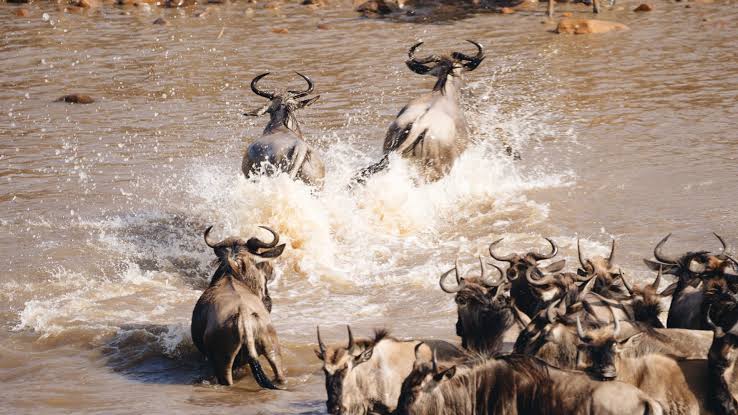
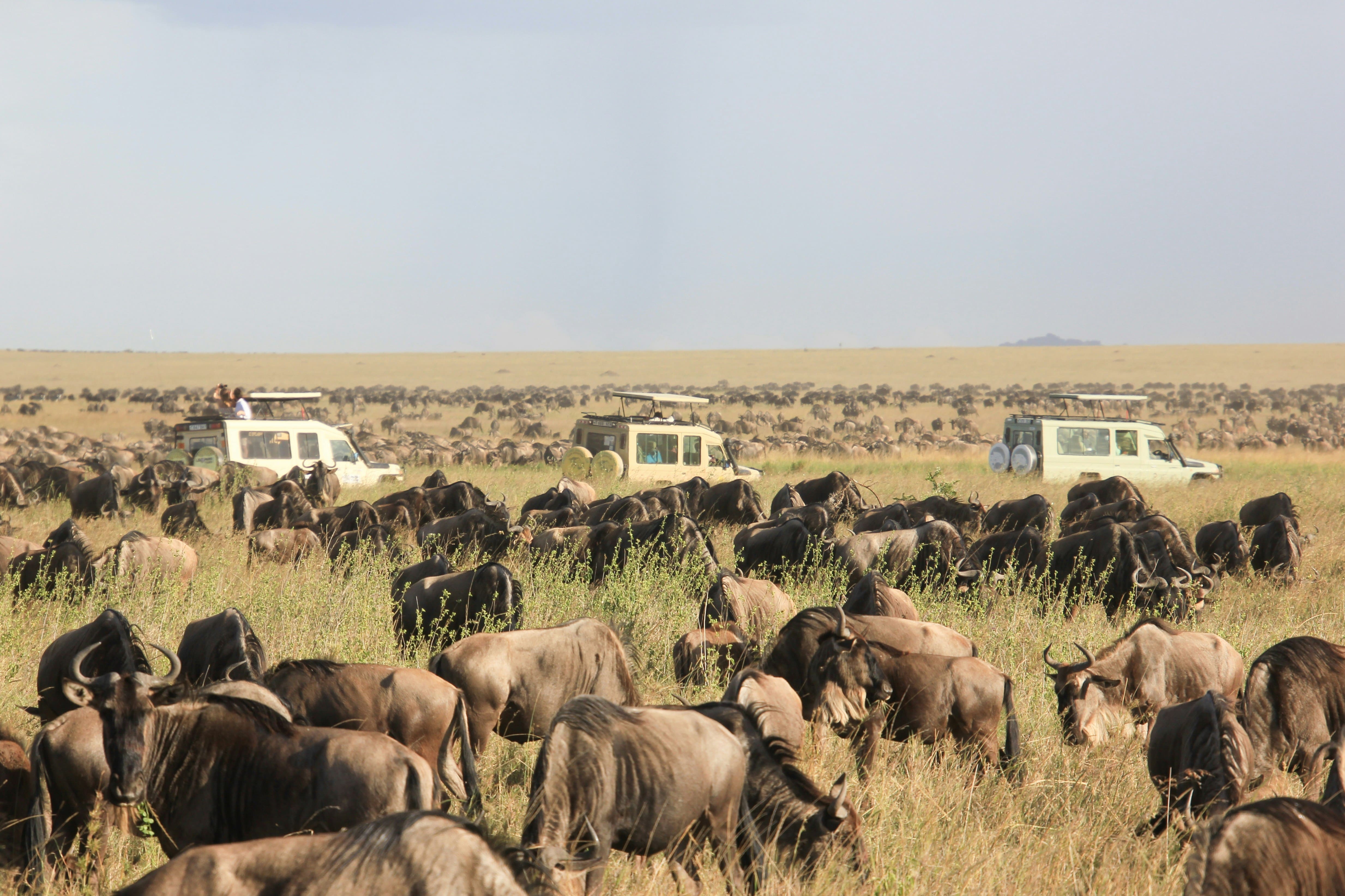
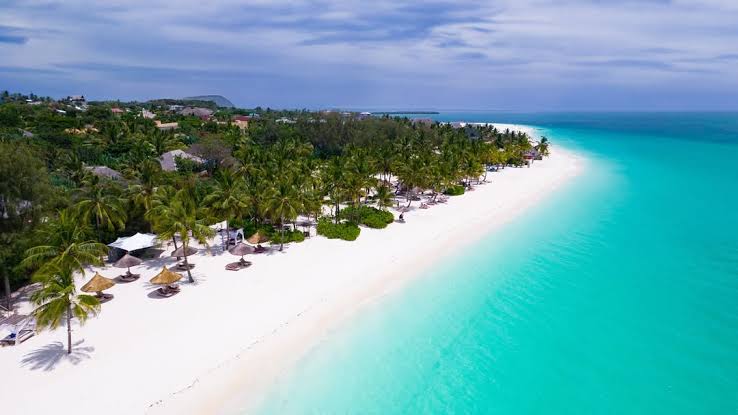
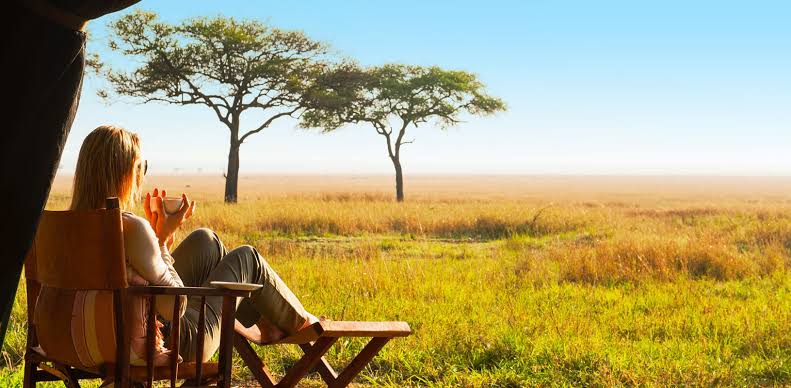
Excellent
Based on 100+ reviews
Need Help?
Have questions about planning your Tanzania adventure? Our travel experts are here to help.
You May Also Like
Latest Articles
Stay Updated
Subscribe to our newsletter for the latest travel guides and exclusive offers.
Request a custom itinerary for your next trip to Tanzania.
Our team of travel experts is here to help you create a custom itinerary for your next trip to Tanzania. We will work with you to create a itinerary that is tailored to your needs and budget.