
Tanzania Safari and Zanzibar Beach Holiday: The Complete 2026 Guide
July 10, 2026
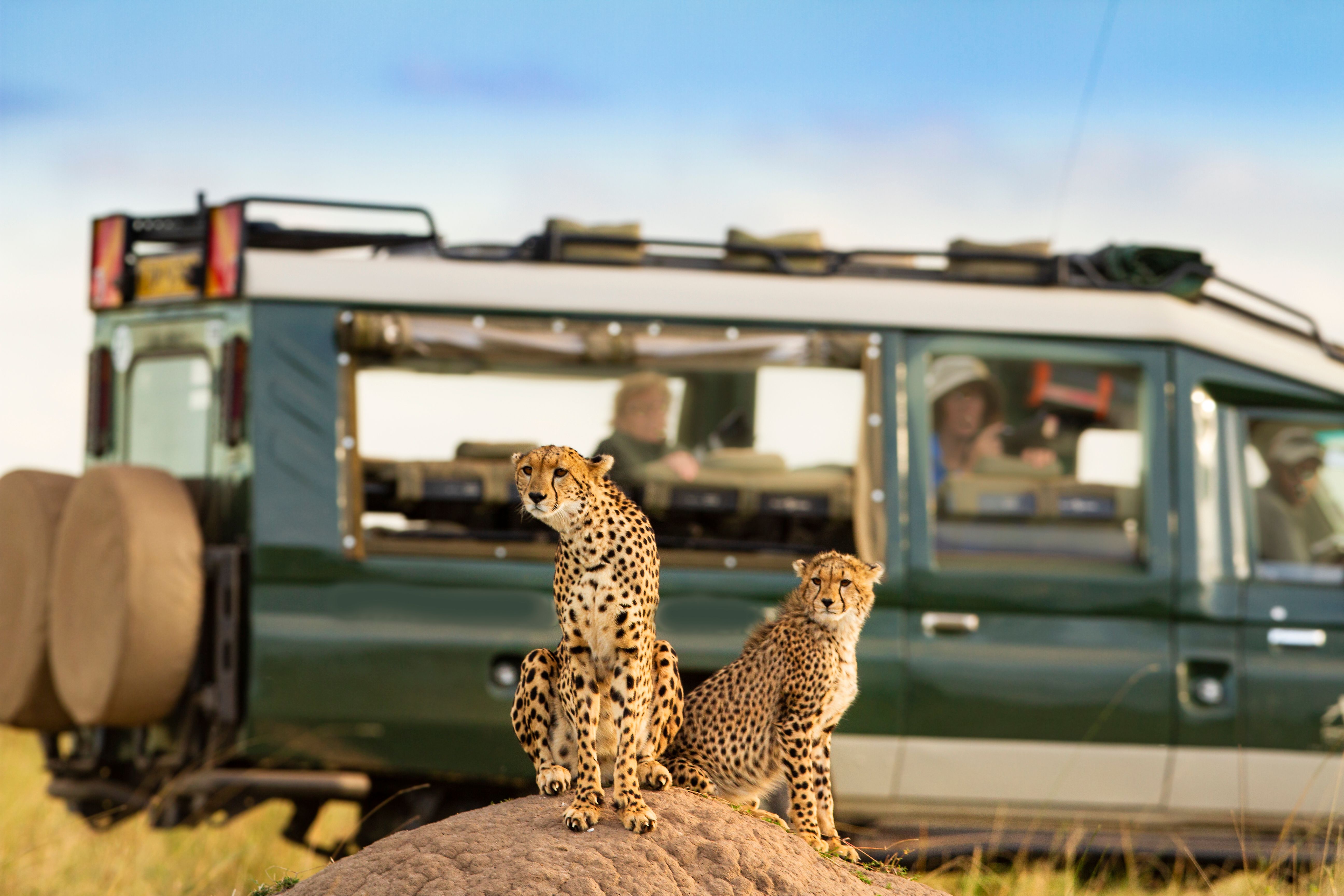
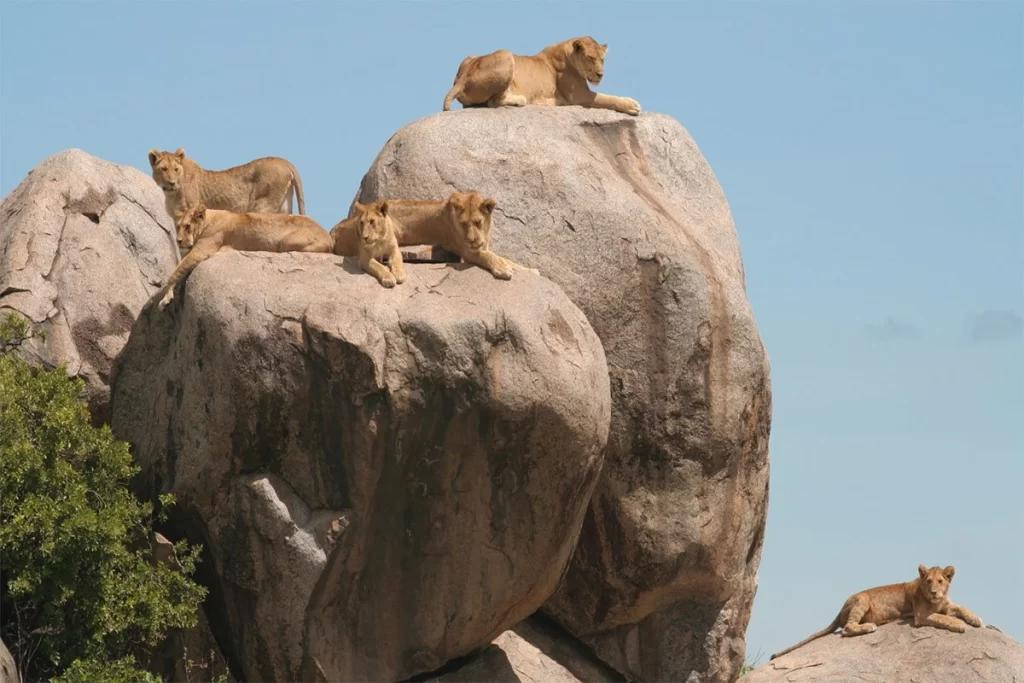
There is a moment that nearly every Tanzania safari traveller experiences somewhere around day four or five: sitting in a Land Cruiser watching a pride of lions in the last light of a Serengeti afternoon, dusty, exhilarated, and quietly overwhelmed by the accumulated weight of everything they have seen — and realising that in less than 24 hours they will be floating in a 28-degree turquoise Indian Ocean instead.
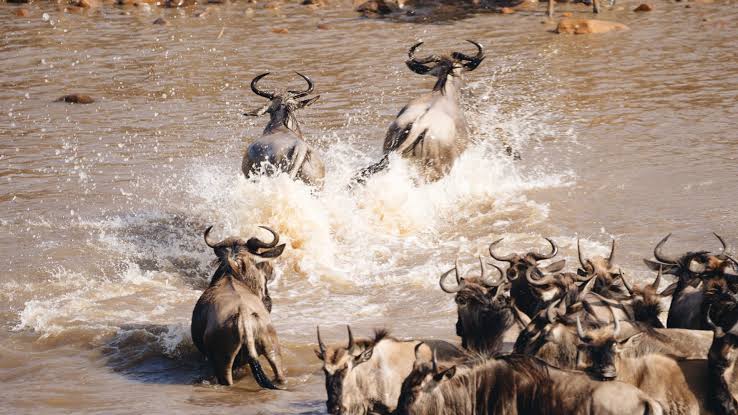
This is the Tanzania safari and Zanzibar beach holiday: one of travel's great one-two combinations, and the only itinerary on Earth where the journey from watching a Mara River wildebeest crossing to lying on a white-sand beach takes less than an hour by air. No other country combines these two experiences with this ease. No other combination offers this much contrast in so short a time.
This guide is built to give you everything you need to plan that combination in 2026. It covers the best safari parks and their seasonal timing, every Zanzibar beach and what makes each one right for different travellers, six ready-made itineraries from 7 to 14 days, real costs across every budget tier, and every logistical detail — flights, transfers, visa, health — that makes the trip run smoothly. It is written by the team at adventuresseeker.com, based in Arusha, Tanzania, who have planned this combination for couples, families, honeymooners, and solo travellers from every corner of the world.
WHY COMBINE A TANZANIA SAFARI WITH ZANZIBAR?
The question worth answering first: why does this combination work so well, and why does Tanzania offer it uniquely?
The Contrast Is the Point
A safari is active, immersive, and emotionally demanding. You are up before dawn every day. You are processing extraordinary sights — predator kills, river crossings, elephant herds — at close range and in real time. Your senses are working at full capacity for six to eight hours of game driving per day. By the end of a seven-day safari, most guests describe feeling both exhilarated and genuinely spent.
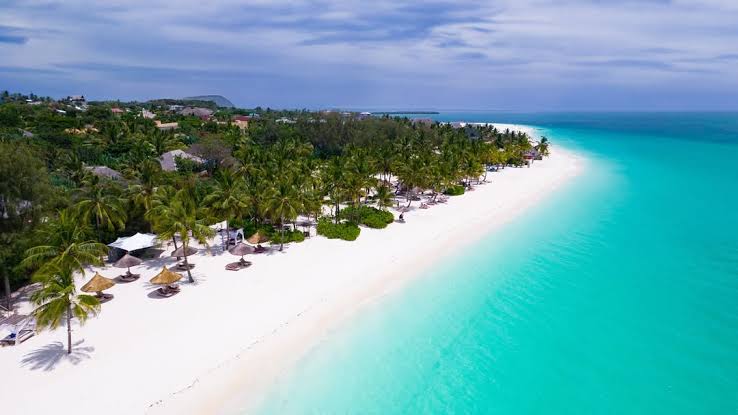
Zanzibar provides the perfect counterbalance. The island's warm Indian Ocean water, the shade of a coconut palm, the unhurried pace of Swahili island life — these are not compromise consolations for travellers who ran out of safari days. They are the second movement of the same journey. The contrast between the open savannah and the turquoise sea is so complete that the two halves of the trip illuminate each other. You appreciate the wild more after the beach. You appreciate the stillness of the ocean more after the intensity of the bush.
The Logistics Are Uniquely Simple
This combination works in Tanzania because of pure geographic good fortune. The island of Zanzibar sits just 40 kilometres off the Tanzanian mainland — a 45-minute domestic flight from Arusha or approximately one hour from the Serengeti airstrips. No international routing. No long connection. No change of country or currency. Your operator arranges both legs of the trip from a single Arusha base, and the transition from safari to beach happens seamlessly on a single travel day.
No other country on Earth offers this. Kenya's coast is further. South Africa's beaches require a separate flight to Cape Town. Botswana has no coastline. Tanzania's geographic position — with the Serengeti in the north and Zanzibar just offshore — is genuinely unique.
The Quality of Both Halves is World-Class
Some safari-and-beach combinations sacrifice quality on one side. Tanzania does not. The Serengeti holds the greatest concentration of large mammals on Earth and hosts the Great Migration year-round. The Ngorongoro Crater is arguably the most productive wildlife venue in Africa. And Zanzibar's beaches — Nungwi, Matemwe, Michamvi, Paje — are Indian Ocean beaches that stand comparison with the Maldives, Mauritius, and Seychelles. Neither half of this trip is a concession to the other. Both are extraordinary in their own right.
🌿 The Safari Experience
• Serengeti — world's greatest wildlife park
• Ngorongoro Crater — Big Five in one morning
• Tarangire — 300+ elephant herds
• Great Migration year-round
• Highest lion density in Africa
• Private bush dinners under the stars
• Hot air balloon at sunrise
🌊 The Zanzibar Experience
• Turquoise Indian Ocean — warm year-round
• White-sand beaches — Nungwi, Matemwe, Paje
• Stone Town — UNESCO World Heritage City
• Mnemba Atoll snorkelling & diving
• Sunset dhow cruise on the Indian Ocean
• Spice farm & cultural tours
• Boutique beach lodges & luxury villas
✈️ The One-Hour Miracle: The flight from Seronera (central Serengeti) to Zanzibar takes approximately 55 minutes via domestic connection through Arusha, or 45 minutes on a direct charter. You can watch a lion pride at 7:00 AM and be floating in the Indian Ocean by 3:00 PM on the same day
THE BEST TANZANIA SAFARI PARKS FOR A COMBINATION TRIP
A Tanzania safari combined with Zanzibar typically runs 5 to 9 days on the mainland before the island transition. This time needs to be used well. Here are the parks to include and the logic for choosing between them.
The Northern Circuit: The Natural Starting Point
The Northern Circuit — Serengeti, Ngorongoro Crater, Tarangire, and Lake Manyara — is the backbone of any combination trip. All four parks are road-accessible from Arusha, and the circuit can be completed in 5 to 8 days. It delivers the Big Five, the Great Migration (seasonally), four completely different ecosystems, and accommodation options across all budget tiers — all within a short drive of the Kilimanjaro International Airport where most visitors arrive.
Serengeti National Park
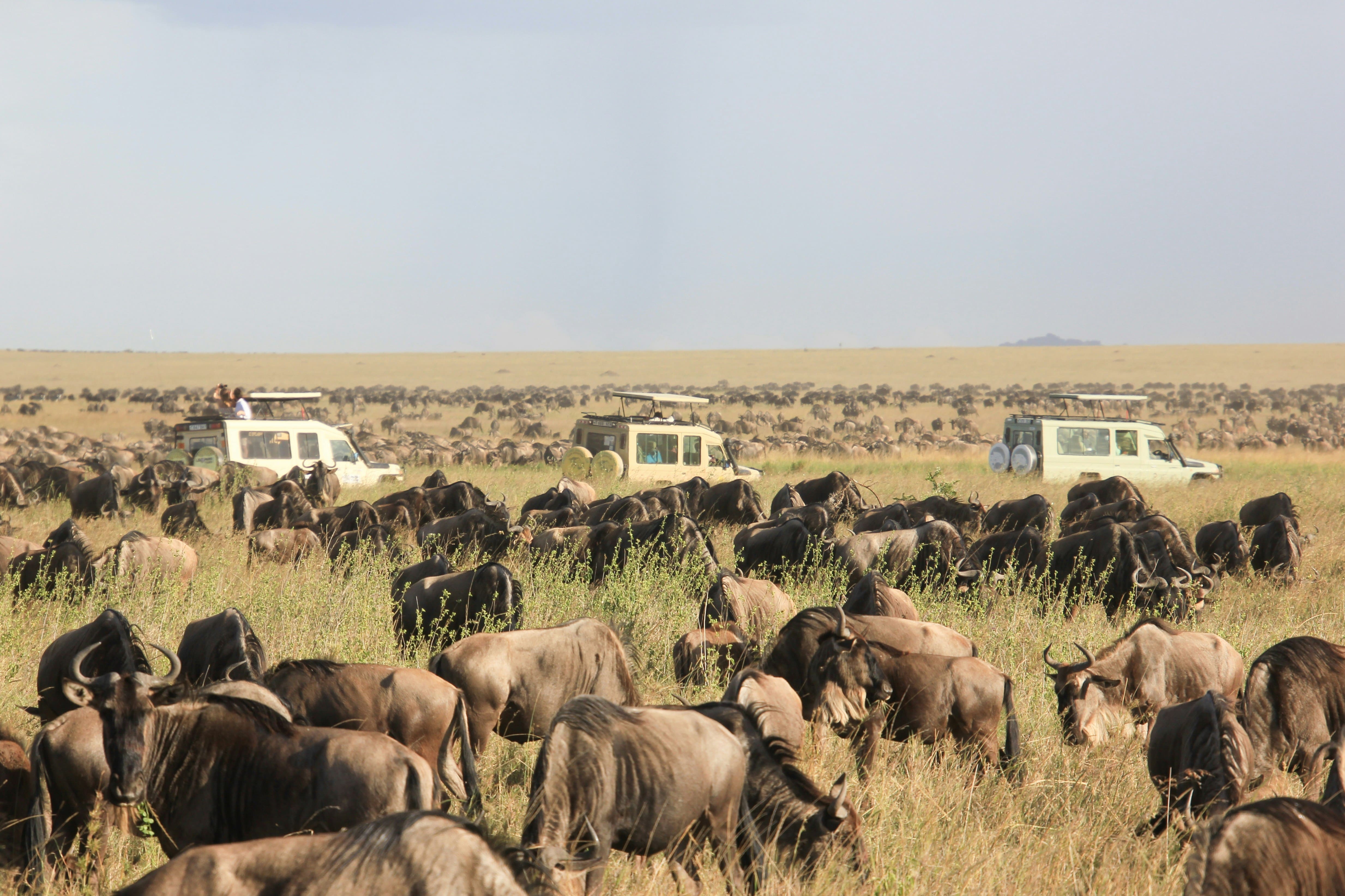
The heart of the trip. The Serengeti covers 14,763 square kilometres of open grassland and riverine forest and hosts the highest lion density in Africa, 1.5 million wildebeest in continuous movement, and a resident population of leopard, cheetah, elephant, buffalo, giraffe, and hundreds of bird species that makes every game drive productive regardless of season.
- Minimum time: 2 nights (enough for two full game drive days)
- Optimal time: 3 nights (allows two zones — e.g., central Seronera + southern Ndutu, or central + northern, depending on season)
- Key seasonal note: Calving season (January–February) in the south; Mara River crossings (July–October) in the north; year-round excellence in the central Seronera area
🦁 Serengeti Highlight: Plan at least one early-morning game drive starting at 5:30 AM when the light is extraordinary and the big cats are most active. The first two hours after dawn regularly produce more wildlife sightings than the remainder of the day.
Ngorongoro Conservation Area
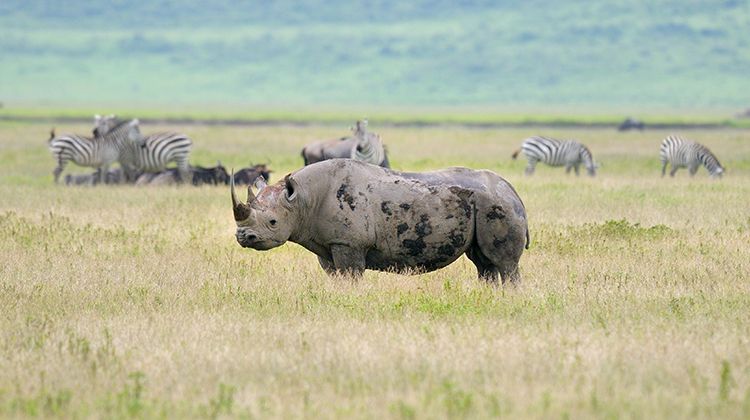
Non-negotiable for any Northern Circuit trip. The 19-kilometre volcanic caldera is home to approximately 25,000 permanently resident large mammals — the Big Five in a single morning, including Tanzania's most reliably viewable black rhino population. One night on the rim and a full-day crater descent is the standard format and consistently delivers the most concentrated wildlife viewing in Africa.
- Minimum time: 1 night rim + full crater descent (6-hour maximum on the floor)
- Optimal time: 2 nights rim (second crater descent or Empakaai / Olduvai Gorge excursion)
- Key fact: Park fee includes a vehicle charge of $295 per crater descent — factor this into budget planning
Tarangire National Park
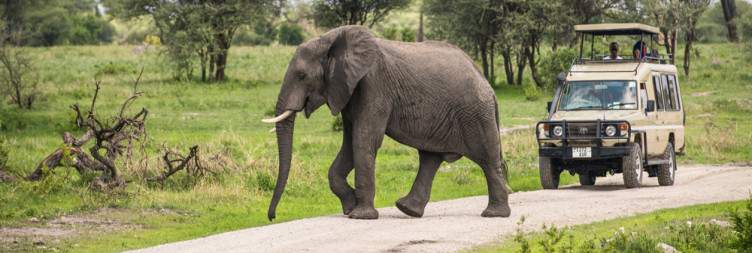
Often the first park visited on the Northern Circuit — just two hours from Arusha by road. Tarangire delivers Tanzania's greatest elephant experience: dry-season herds of 200 to 300 animals converging on the Tarangire River under ancient baobab trees. It is also excellent for leopard, lion, large python populations, and birding — with over 550 species recorded.
- Minimum time: 1 night (a long game drive day covers the park's highlights)
- Optimal time: 2 nights (allows morning and afternoon drives across multiple zones)
- Best months: June–October for maximum elephant concentration
Lake Manyara National Park
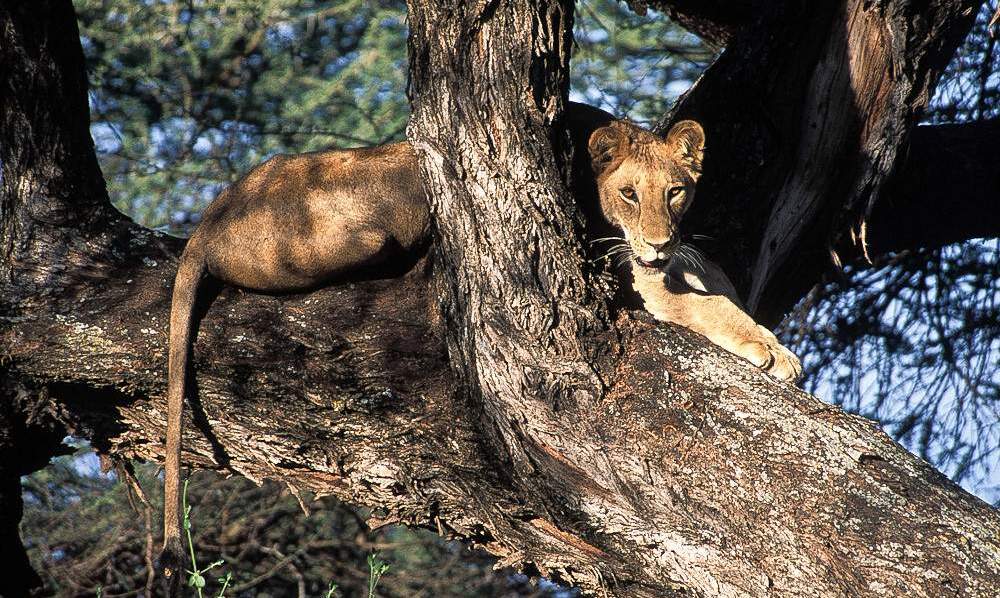
Often used as a half-day or full-day park on the drive between Tarangire and Ngorongoro. Its tree-climbing lions are famous and unpredictable — but the groundwater forest, flamingo-filled lake, and hippo pool make it worth the stop regardless of lion sightings. Works best as a 'transit park' on a longer itinerary.
- Minimum time: Half day (en route Tarangire to Ngorongoro)
- Optimal time: 1 night (allows proper morning and afternoon drives)
- Serengeti National Park
- Recommended stay: 2–3 nights
- Key wildlife: Lions, leopards, cheetahs, wildebeest
- Best for: Great Migration, Big Five safaris, wildlife photography
- Best time to visit: Year-round (depending on the migration zone)
- Ngorongoro Conservation Area
- Recommended stay: 1–2 nights
- Key wildlife: Big Five including black rhino, hippos
- Best for: High wildlife density, first-time safari visitors
- Best time to visit: Year-round
- Tarangire National Park
- Recommended stay: 1–2 nights
- Key wildlife: Large elephant herds (300+), baobab trees, pythons
- Best for: Elephant encounters, exceptional dry-season game viewing
- Best time to visit: June–October
- Lake Manyara National Park
- Recommended stay: Half-day to 1 night
- Key wildlife: Tree-climbing lions, flamingos, hippos
- Best for: Birdwatching, scenic landscapes, a great introduction to safari
- Best time to visit: Year-round
ZANZIBAR BEACHES: WHERE TO GO AFTER YOUR SAFARI
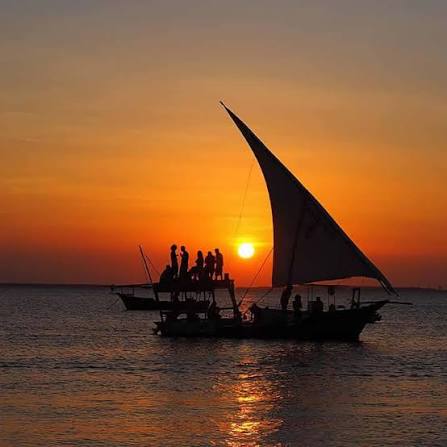
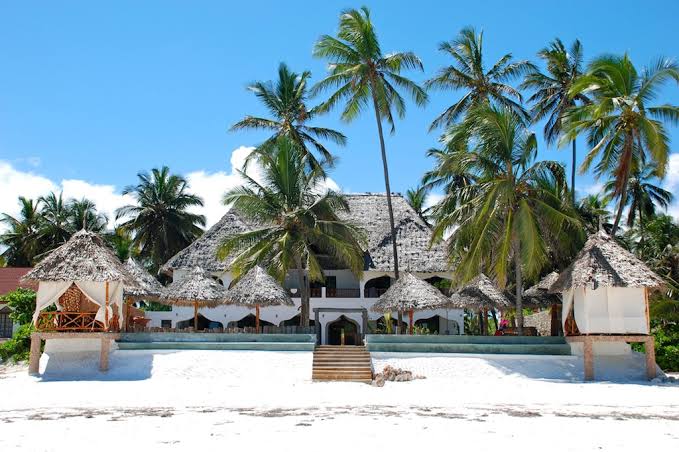
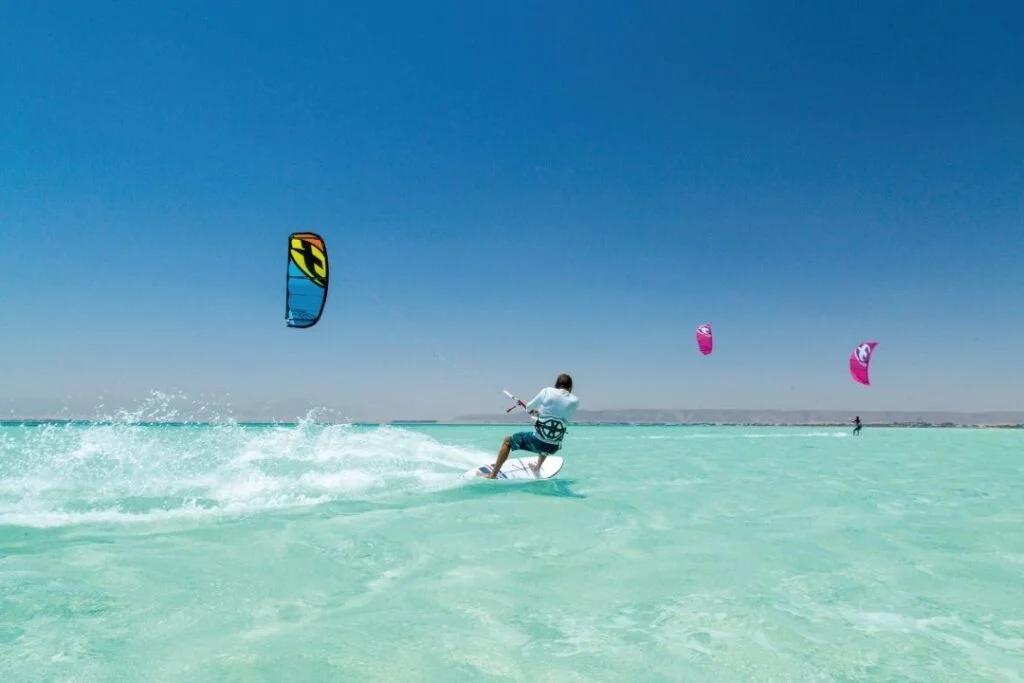
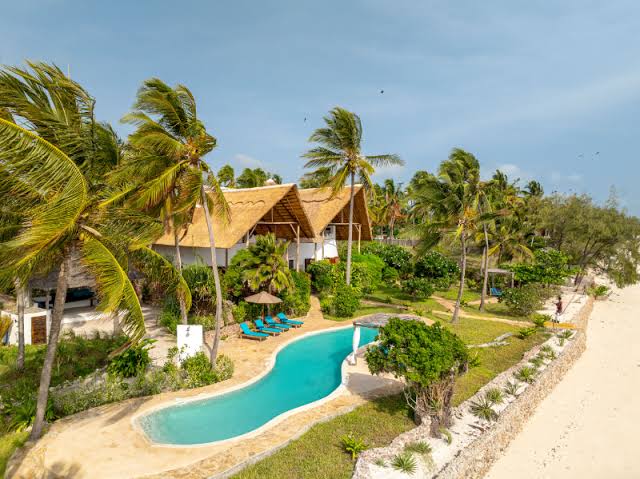
Zanzibar's coastline is one of the finest in the Indian Ocean — but it is not uniform. Each coastal area has a distinct character, tide pattern, and atmosphere. Choosing the right beach for your travel style is as important as choosing the right safari park.
The Single Most Important Zanzibar Decision: Which Coast?
Before choosing a hotel, choose a coast. The difference between Zanzibar's north coast (Nungwi/Kendwa) and its east coast (Paje/Matemwe/Michamvi) is not just geography — it is a fundamentally different beach experience driven by tidal patterns.
- North Coast (Nungwi & Kendwa)
- Tides: Minimal variation
- Swimming: Possible all day, every day
- Best for: Families, first-time visitors, couples
- Vibe: Lively, resort-focused
- North-East Coast (Matemwe)
- Tides: Moderate
- Swimming: Best during high tide
- Best for: Honeymooners, boutique hotel stays, scuba divers
- Vibe: Tranquil and romantic
- East Coast (Paje & Jambiani)
- Tides: Significant (2–3 m)
- Swimming: Best during high tide only
- Best for: Kitesurfers, backpackers, village experiences
- Vibe: Active, authentic, and laid-back
- East Peninsula (Michamvi & Bwejuu)
- Tides: Significant
- Swimming: Best during high tide only
- Best for: Honeymooners, luxury escapes, dramatic ocean views
- Vibe: Secluded, peaceful, luxury villas
- West Coast – Stone Town
- Tides: Not applicable
- Swimming: No beach for swimming
- Best for: Culture, history, and a one-night stopover
- Vibe: Urban, historic, UNESCO World Heritage atmosphere
🏖️ North Coast Advantage: Nungwi and Kendwa are the only beaches in Zanzibar where you can swim comfortably at any time of day without checking the tide table. This makes them the most practical choice for safari-extension guests who want to maximise their limited beach days without planning around tidal schedules.
Nungwi Beach — Best Overall for Safari Extensions
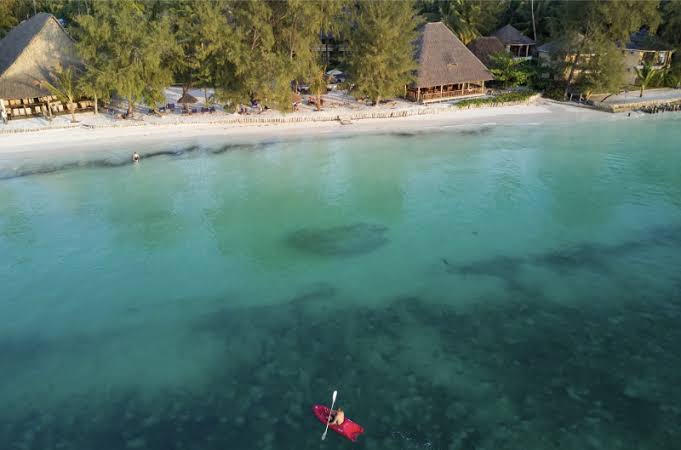
Nungwi is Zanzibar's most popular beach and, for most safari extension travellers, the best overall choice. The north coast's minimal tidal variation means the calm, shallow lagoon is swimm-able from 7 AM to sunset every day. The beach is wide, white, and fringed with palms. A traditional dhow-building village at the northern tip adds genuine cultural texture. Sunset from Nungwi — across open ocean, unobstructed — is one of the finest in the Indian Ocean.
- Accommodation range: Budget guesthouses to five-star resorts — the widest choice on the island
- Activities: Snorkelling, sunset dhow cruise, beach bars, turtle sanctuary, water sports
- Distance from airport: ~55 km / 60–75 minutes — the longest transfer but worth it
- Best for: First-time Zanzibar visitors, families, couples, groups — the most versatile beach
Matemwe — Best for Boutique and Honeymooners
Matemwe on the north-east coast is Zanzibar's finest boutique beach destination. Small, design-led properties sit directly on the sand with Indian Ocean views from every room. The reef platform offshore at Matemwe is the departure point for day trips to Mnemba Atoll — the island's premier snorkelling and diving site, home to sea turtles, dolphins, and extraordinary coral gardens. Tides are moderate — a low-tide walk on the exposed reef at sunrise is an experience in itself.
- Best for: Honeymooners, couples, photographers, divers
- Accommodation: Small boutique lodges — no large resorts, which is the point
- Highlight: Mnemba Atoll day trip — the best snorkelling in Zanzibar
Paje Beach — Best for Active Travellers
Paje on the east coast is one of the world's top kitesurfing destinations. From June to September, the south-east trade winds blow consistently across the wide, shallow lagoon — ideal conditions for beginners and experts alike. Several internationally certified kitesurfing schools operate from the beach. The east-coast tidal pattern applies: the lagoon drops at low tide, exposing seabed and limiting swimming. Plan beach time around the tide table. The atmosphere is younger and more social than the north coast.
- Best for: Kitesurfers, active travellers, younger crowds, backpackers
- Best months: June–September for kite winds; November–April for calmer, clearer swimming
Michamvi Peninsula — Most Dramatic and Private
The Michamvi Peninsula on the east coast is Zanzibar's most visually dramatic coastal area. Villa properties sit on a clifftop with panoramic views north and south along the ocean. The tidal drop here creates extraordinary seascape — at low tide, the lagoon retracts hundreds of metres to reveal starfish, sea glass, and seaweed farms. At high tide, the water is deep turquoise and clear. Sunrise from an east-facing terrace over the Indian Ocean is among the finest coastal views in Africa.
- Best for: Couples, honeymooners, photographers, those wanting complete privacy
- Accommodation: Boutique villas with private plunge pools — typically adults-only
Stone Town — The Cultural Night
Most combination travellers spend one night in Stone Town — either on arrival in Zanzibar before heading to the beach, or as a day trip from their beach base. This is strongly recommended. Stone Town is a UNESCO World Heritage Site and one of the most historically layered cities in East Africa: Arabic carved wooden doors, Persian bathhouses, Indian merchant houses, and Portuguese fort walls all compressed into a labyrinth of narrow, donkey-traffic alleys. One night in a Stone Town heritage hotel, with dinner at the Forodhani Night Market, is one of Tanzania's great travel experiences.
- Best Stone Town activity: Guided walking tour (3–4 hours) — the history is invisible without local context
- Best dinner: Forodhani Night Market — fresh grilled seafood on the waterfront at sunset
- Best Stone Town hotel style: A converted Swahili merchant mansion or former sultan's palace — several operate as boutique hotels
BEST TIME FOR A TANZANIA SAFARI AND ZANZIBAR BEACH HOLIDAY
Timing is the most important planning decision in this combination — because both halves of the trip have seasonal conditions, and the goal is to find windows where both the safari and the beach are at or near their best simultaneously.
The good news: Tanzania's two best safari seasons align closely with Zanzibar's two best beach seasons. The combination works well in more months than it does not.
- January
- Safari conditions: Good — calving begins, green landscapes, active predators
- Zanzibar conditions: Excellent — hot, dry weather with warm seas
- Overall rating: ⭐⭐⭐⭐⭐
- Notes: An underrated combination. Great for calving season and a perfect beach escape.
- February
- Safari conditions: Outstanding — peak calving season with abundant wildlife
- Zanzibar conditions: Excellent — warmest sea temperatures of the year
- Overall rating: ⭐⭐⭐⭐⭐
- Notes: Best-value combination month. Highly recommended.
- March
- Safari conditions: Good — rains begin, creating lush green landscapes
- Zanzibar conditions: Moderate — long rains start
- Overall rating: ⭐⭐⭐
- Notes: Possible, but rainfall is increasing in both destinations.
- April
- Safari conditions: Low — long rains, some roads may become difficult
- Zanzibar conditions: Poor — heavy rains and rough seas
- Overall rating: ⭐⭐
- Notes: Not recommended for a safari and beach combination. Deep low season.
- May
- Safari conditions: Low — long rains continue
- Zanzibar conditions: Poor — heavy rainfall
- Overall rating: ⭐⭐
- Notes: Best prices, but the least favorable weather conditions.
- June
- Safari conditions: Very good — dry season begins
- Zanzibar conditions: Good — dry season starts
- Overall rating: ⭐⭐⭐⭐
- Notes: Great combination month with lower prices than July and August.
- July
- Safari conditions: Outstanding — Great Migration Mara River crossings begin
- Zanzibar conditions: Excellent — peak dry season
- Overall rating: ⭐⭐⭐⭐⭐
- Notes: Peak season. Best overall combination. Book 10+ months in advance.
- August
- Safari conditions: Outstanding — peak migration crossings
- Zanzibar conditions: Excellent — ideal beach weather
- Overall rating: ⭐⭐⭐⭐⭐
- Notes: Peak season with the highest prices but the most spectacular wildlife experiences.
- September
- Safari conditions: Excellent — late dry season, Tarangire wildlife concentration
- Zanzibar conditions: Excellent — dry season continues
- Overall rating: ⭐⭐⭐⭐⭐
- Notes: Slightly fewer crowds than August with excellent value.
- October
- Safari conditions: Very good — late dry season with strong wildlife viewing
- Zanzibar conditions: Good — transition period begins
- Overall rating: ⭐⭐⭐⭐
- Notes: Great combination. Prices start easing while wildlife remains strong.
- November
- Safari conditions: Good — short rains begin, shoulder season
- Zanzibar conditions: Moderate — short rains with brief showers
- Overall rating: ⭐⭐⭐
- Notes: Shoulder month with occasional afternoon showers.
- December
- Safari conditions: Very good — improving conditions after rains
- Zanzibar conditions: Good — drying weather returns
- Overall rating: ⭐⭐⭐⭐
- Notes: December 1–20 is excellent; expect higher prices during the holiday period.
The Two Best Windows for the Combination
Window 1: June to October (Dry Season — Best Overall)
This is the most popular and most straightforward timing for the combination. The dry season brings spectacular wildlife viewing across all northern parks — sparse vegetation, animals at waterholes, and the famous Mara River crossings from July onward. Zanzibar's dry season runs concurrently: calm seas, minimal rainfall, and the best swimming conditions of the year on the north coast.
- July and August: The absolute peak. Migration river crossings at their height in the northern Serengeti, Zanzibar at its finest. Book 10–12 months ahead. Premium pricing throughout.
- June: The dry season opens. Conditions excellent and slightly cheaper than July–August. The Grumeti crossings begin in June — a less famous but often more dramatic alternative to the Mara.
- September: An excellent and undervalued month. River crossings continuing, Tarangire at its elephant peak, Zanzibar still perfect. Prices 10–20% lower than August.
- October: Transition month — still very good on both sides. End-of-season availability sometimes means better lodge rates.
🌿 Dry Season Safari Tip: In July and August, the northern Serengeti (Kogatende/Lamai area) camps for the Mara River crossings sell out a year in advance. If this is your priority, contact adventuresseeker.com in October/November for the following July/August trip.
Window 2: January to February (Calving Season — Best Value)
January and February are the most underrated months for the combination — and for travellers who want extraordinary wildlife at competitive prices, this window is arguably better value than the peak dry season. The calving season in the southern Serengeti (Ndutu Plains) produces 400,000 to 500,000 wildebeest calves in a compressed two-to-three-week window, drawing massive predator concentrations. The landscape is lush and green — photogenic in a completely different way from the dry-season gold. And Zanzibar in January and February is at its warmest and most beach-friendly, with excellent visibility for diving and snorkelling.
- Wildlife: Extraordinary — the calving season is one of Tanzania's greatest wildlife spectacles. More intense predator action than July–August.
- Zanzibar: Outstanding — warmest sea temperatures of the year, excellent snorkelling visibility, fewer European tourists.
- Price: 15–30% lower than peak July–August in most lodges. Excellent overall value.
- Crowds: Significantly lower than peak season. More intimate wildlife encounters.
💡 Best Value Month: February is the month that offers the highest wildlife quality (calving season peak) at the most reasonable price. For couples, families, and experienced safari travellers who have already seen a river crossing, February is the month we most frequently recommend.
TANZANIA SAFARI + ZANZIBAR: 6 READY-MADE ITINERARIES
Here are six complete itinerary templates covering every combination of duration, budget, and travel style. All are operated by adventuresseeker.com from Arusha and include the domestic flight to Zanzibar as part of the package.
Itinerary 1: 7 Days — Essential Combination (Most Popular)
The most popular format for first-time Tanzania visitors. Four safari days cover the Northern Circuit highlights; three beach days in Zanzibar provide rest and contrast. Best for travellers with limited annual leave who want both experiences without compromise.
- Day 1: Arusha → Tarangire National Park
- Activity: Afternoon game drive — spot elephant herds, explore baobab landscapes, and enjoy a sunset safari
- Overnight: Tarangire lodge
- Day 2: Tarangire → Ngorongoro Conservation Area
- Activity: Morning game drive in Tarangire followed by a scenic drive to the Ngorongoro Crater rim
- Overnight: Ngorongoro rim lodge
- Day 3: Ngorongoro → Serengeti National Park
- Activity: Early morning descent into the Ngorongoro Crater for a Big Five safari experience, then continue to Serengeti
- Overnight: Serengeti camp
- Day 4: Serengeti National Park
- Activity: Full-day game drive through Central Serengeti (Seronera), famous for predators and year-round wildlife
- Overnight: Serengeti camp
- Day 5: Serengeti → Zanzibar
- Activity: Morning game drive, then flight to Zanzibar (approximately 55 minutes). Arrive and relax on the beach
- Overnight: Zanzibar beach hotel
- Day 6: Zanzibar
- Activity: Beach relaxation plus an optional excursion — Stone Town cultural tour or Mnemba Island snorkeling adventure
- Overnight: Zanzibar beach hotel
- Day 7: Zanzibar → Home
- Activity: Final morning swim, airport transfer, and departure
- Overnight: —
📌 7-Day Note: This is the minimum viable combination. It is excellent but compact. If any flexibility exists in your schedule, adding one night to either the Serengeti or Zanzibar transforms the pace significantly. A 7-day trip that feels rushed can become a 8-day trip that feels just right.
Itinerary 2: 10 Days — The Classic Combination (Recommended)
The gold-standard Tanzania safari and Zanzibar combination. Seven days on the Northern Circuit allows full justice to every park; three days in Zanzibar provides genuine rest with time for meaningful excursions. This is the itinerary most frequently recommended by the adventuresseeker.com team for first-time Tanzania visitors.
- Day 1: Arrive in Arusha
- Activity: Airport transfer from JRO, welcome briefing, and time to rest
- Overnight: Arusha hotel
- Day 2: Arusha → Tarangire National Park
- Activity: Full-day game drive — explore elephant herds, visit Python Rock, and enjoy a baobab sunset
- Overnight: Tarangire lodge
- Day 3: Tarangire → Lake Manyara National Park
- Activity: Morning game drive in Tarangire followed by an afternoon safari in Lake Manyara to see flamingos, hippos, and tree-climbing lions
- Overnight: Manyara hotel
- Day 4: Ngorongoro Conservation Area
- Activity: Drive to the Ngorongoro Crater rim, enjoy an afternoon nature walk or sunset experience overlooking the crater
- Overnight: Ngorongoro rim lodge
- Day 5: Ngorongoro → Serengeti National Park
- Activity: Dawn descent into the Ngorongoro Crater, visit Olduvai Gorge, then continue to Central Serengeti
- Overnight: Serengeti camp
- Day 6: Serengeti National Park
- Activity: Full-day game drive through Central Serengeti (Seronera) — experience lion prides, leopard kopjes, and cheetah plains
- Overnight: Serengeti camp
- Day 7: Serengeti National Park
- Activity: Full-day safari in a seasonal wildlife zone:
- Southern Serengeti: Calving season (January–March)
- Northern Serengeti: Great Migration crossings (July–October)
- Overnight: Serengeti camp
- Activity: Full-day safari in a seasonal wildlife zone:
- Day 8: Serengeti → Zanzibar
- Activity: Morning game drive, flight to Zanzibar, arrival in Stone Town, and evening walking tour
- Overnight: Stone Town hotel
- Day 9: Zanzibar
- Activity: Guided Stone Town tour, transfer to beach resort, and enjoy a sunset dhow cruise
- Overnight: Beach resort
- Day 10: Zanzibar
- Activity: Relax on the beach and enjoy a Mnemba Atoll snorkeling excursion
- Overnight: Beach resort
- Day 11: Zanzibar → Home
- Activity: Final morning at the beach, airport transfer, and departure
- Overnight: —
Itinerary 3: 12 Days — The Relaxed Combination (Best for Couples & Honeymooners)
A fuller, more relaxed version of the classic itinerary. Seven safari days allow unhurried park exploration; five Zanzibar days cover two beach areas and the full excursion programme. Highly recommended for honeymooners and couples who want to avoid a rushed pace on either side.
- Day 1: Arrive in Arusha
- Activity: Arrive at JRO, transfer to Arusha, and enjoy a welcome dinner
- Overnight: Arusha hotel
- Day 2: Tarangire National Park
- Activity: Full-day game drive — discover elephant herds, ancient baobabs, and chances to spot big cats
- Overnight: Tarangire lodge
- Day 3: Tarangire → Ngorongoro Conservation Area
- Activity: Morning game drive in Tarangire, followed by an afternoon scenic drive to the Ngorongoro Crater rim
- Overnight: Ngorongoro rim lodge
- Day 4: Ngorongoro Crater + Olduvai Gorge
- Activity: Early morning crater descent for a Big Five safari, visit Olduvai Gorge, and enjoy an afternoon walk through the Ngorongoro highlands
- Overnight: Ngorongoro rim lodge
- Day 5: Ngorongoro → Serengeti National Park
- Activity: Scenic drive to Central Serengeti through Naabi Hill Gate with wildlife viewing along the way
- Overnight: Serengeti camp
- Day 6: Serengeti — Central Region
- Activity: Full-day safari in Seronera Valley — explore lion prides, leopard kopjes, and optional hot air balloon experience
- Overnight: Serengeti camp
- Day 7: Serengeti — Seasonal Zone
- Activity: Full-day game drive in a seasonal wildlife area:
- Southern Serengeti: Calving season (January–March)
- Northern Serengeti: Great Migration river crossings (July–October)
- Overnight: Serengeti camp
- Activity: Full-day game drive in a seasonal wildlife area:
- Day 8: Serengeti → Zanzibar
- Activity: Morning game drive, flight to Zanzibar, and arrival in Stone Town
- Overnight: Stone Town hotel
- Day 9: Stone Town, Zanzibar
- Activity: Full-day guided cultural walk — explore Old Fort, Slave Market, spice market, and enjoy a Forodhani evening dinner
- Overnight: Stone Town hotel
- Day 10: Zanzibar North Coast
- Activity: Transfer to Nungwi or Matemwe, relax on the beach, and enjoy a sunset dhow cruise
- Overnight: Beach resort
- Day 11: Zanzibar
- Activity: Full-day Mnemba Atoll snorkeling excursion or PADI diving experience
- Overnight: Beach resort
- Day 12: Zanzibar
- Activity: Morning spice farm tour, free beach afternoon, and private dinner experience
- Overnight: Beach resort
- Day 13: Zanzibar → Home
- Activity: Final morning swim, airport transfer, and departure
- Overnight: —
Itinerary 4: 14 Days — The Ultimate Combination
The most complete Tanzania combination itinerary — ample time in every park and a full week in Zanzibar allowing two different beach areas, the complete excursion programme, and genuine unhurried rest. Recommended for travellers who want to do both halves of this trip justice without compromise.
- Day 1: Arrive in Arusha
- Activity: Arrive at JRO, Arusha welcome briefing, and dinner
- Overnight: Arusha hotel
- Day 2: Tarangire National Park
- Activity: Full-day game drive — explore elephant herds, Python Rock, and iconic baobab landscapes
- Overnight: Tarangire lodge
- Day 3: Tarangire National Park
- Activity: Second full-day safari exploring different areas of the park, with an optional night drive in a private concession
- Overnight: Tarangire lodge
- Day 4: Lake Manyara National Park
- Activity: Full-day safari — discover tree-climbing lions, flamingos, hippos, and forest primates
- Overnight: Manyara area lodge
- Day 5: Ngorongoro Conservation Area
- Activity: Drive to the crater rim, explore the Ngorongoro highlands, and enjoy a sunset experience on the crater wall
- Overnight: Ngorongoro rim lodge
- Day 6: Ngorongoro Crater + Olduvai Gorge
- Activity: Early morning crater descent for a Big Five safari, visit Olduvai Gorge Museum, and optional Empakaai Crater excursion
- Overnight: Ngorongoro rim lodge
- Day 7: Ngorongoro → Serengeti National Park
- Activity: Scenic drive to Serengeti followed by an afternoon game drive in Central Serengeti (Seronera)
- Overnight: Serengeti camp
- Day 8: Serengeti National Park
- Activity: Full-day safari in the Central Serengeti. Optional hot air balloon ride at sunrise
- Overnight: Serengeti camp
- Day 9: Serengeti National Park
- Activity: Full-day game drive in the seasonal wildlife zone, followed by a special bush dinner experience
- Overnight: Serengeti camp
- Day 10: Serengeti → Zanzibar
- Activity: Early morning game drive, flight to Zanzibar, arrival in Stone Town, and evening walking tour
- Overnight: Stone Town hotel
- Day 11: Stone Town, Zanzibar
- Activity: Full cultural experience — guided Stone Town walk, spice farm visit, Prison Island excursion, and Forodhani dinner
- Overnight: Stone Town hotel
- Day 12: Zanzibar — First Beach Stay
- Activity: Transfer to Nungwi or Matemwe, relax at the beach, and enjoy a sunset dhow cruise
- Overnight: Beach resort
- Day 13: Zanzibar
- Activity: Full-day Mnemba Atoll snorkeling excursion with opportunities to see sea turtles
- Overnight: Beach resort
- Day 14: Zanzibar — Second Beach Stay
- Activity: Transfer to another beach area such as Michamvi or Paje for a different island experience
- Overnight: Second beach resort
- Day 15: Zanzibar
- Activity: Visit Jozani Forest to see red colobus monkeys, followed by a relaxing beach afternoon
- Overnight: Second beach resort
- Day 16: Zanzibar → Home
- Activity: Final morning at leisure, airport transfer, and departure
- Overnight: —
Itinerary 5: 7 Days — Calving Season Special (January–February)
A focused combination itinerary built specifically around the February calving season in the southern Serengeti — Tanzania's most underrated and most spectacular wildlife event. Three nights in Ndutu/southern Serengeti for maximum calving and predator action, one night Ngorongoro, then three nights Zanzibar.
- Day 1: Arusha → Ndutu Plains
- Activity: Drive to Ndutu via the Ngorongoro Gate, followed by an afternoon game drive across the plains
- Overnight: Ndutu mobile camp
- Day 2: Ndutu Plains
- Activity: Full-day safari — witness calving herds, cheetah hunts, lion activity, and newborn wildebeest during the migration season
- Overnight: Ndutu mobile camp
- Day 3: Ndutu → Ngorongoro Conservation Area
- Activity: Morning game drive in Ndutu, then transfer to the Ngorongoro Crater rim
- Overnight: Ngorongoro rim lodge
- Day 4: Ngorongoro → Zanzibar
- Activity: Early morning descent into the Ngorongoro Crater for a Big Five safari, transfer to the airstrip, and flight to Zanzibar
- Overnight: Zanzibar beach hotel
- Day 5: Zanzibar
- Activity: Relax on the beach and enjoy a sunset walk through historic Stone Town
- Overnight: Zanzibar beach hotel
- Day 6: Zanzibar
- Activity: Mnemba Atoll snorkeling adventure followed by a traditional dhow sunset cruise
- Overnight: Zanzibar beach hotel
- Day 7: Zanzibar → Home
- Activity: Final beach morning, airport transfer, and departure
- Overnight: —
Itinerary 6: 10 Days — Migration Crossings + Beach (July–August)
A peak-season itinerary built around the Mara River crossings in the northern Serengeti. Three nights at Kogatende/Lamai gives maximum time at the crossing sites, supplemented by the Ngorongoro Crater and Tarangire, then four nights in Zanzibar.
- Day 1: Arusha → Tarangire National Park
- Activity: Afternoon game drive — discover elephant herds and enjoy a sunset experience along the Tarangire River
- Overnight: Tarangire lodge
- Day 2: Tarangire → Ngorongoro Conservation Area
- Activity: Morning game drive in Tarangire followed by a scenic drive to the Ngorongoro Crater rim
- Overnight: Ngorongoro rim lodge
- Day 3: Ngorongoro → Northern Serengeti
- Activity: Early morning descent into the Ngorongoro Crater, then fly or drive to Northern Serengeti
- Overnight: Kogatende/Lamai camp
- Day 4: Northern Serengeti
- Activity: Full-day safari around Mara River crossing points — position for migration crossings and witness this spectacular wildlife event
- Overnight: Kogatende/Lamai camp
- Day 5: Northern Serengeti
- Activity: Second full-day safari — search for river crossings, lion prides, topi, and eland across the northern plains
- Overnight: Kogatende/Lamai camp
- Day 6: Northern Serengeti → Zanzibar
- Activity: Morning migration crossing watch, then flight to Zanzibar via Arusha
- Overnight: Stone Town hotel
- Day 7: Stone Town + North Zanzibar
- Activity: Morning Stone Town exploration followed by transfer to Nungwi or Kendwa for beach relaxation
- Overnight: Beach resort
- Day 8: Zanzibar
- Activity: Full-day Mnemba Atoll excursion — snorkeling, dolphin encounters, and sea turtle sightings
- Overnight: Beach resort
- Day 9: Zanzibar
- Activity: Spice farm visit, relaxing afternoon, and traditional dhow sunset cruise
- Overnight: Beach resort
- Day 10: Zanzibar → Home
- Activity: Free beach morning, airport transfer, and departure
- Overnight: —
HOW MUCH DOES A TANZANIA SAFARI AND ZANZIBAR BEACH HOLIDAY COST IN 2026?
This combination spans two completely different hospitality environments — bush lodges and beach resorts — with different pricing structures. Here is the honest, line-item breakdown.
Cost by Tier: 10-Day Combination (Per Person)
- Budget Tier
- Safari (7 nights): $900–$1,500
- Zanzibar (3 nights): $150–$300
- Flights & Transfers: $300–$500
- Total Estimate (per person): $1,350–$2,300
- Best for: Backpackers and students looking for an affordable Tanzania adventure
- Comfort Tier
- Safari (7 nights): $1,500–$3,000
- Zanzibar (3 nights): $300–$600
- Flights & Transfers: $400–$600
- Total Estimate (per person): $2,200–$4,200
- Best for: Most first-time visitors seeking a balance of comfort and value
- Premium Tier
- Safari (7 nights): $3,000–$6,000
- Zanzibar (3 nights): $600–$1,200
- Flights & Transfers: $500–$800
- Total Estimate (per person): $4,100–$8,000
- Best for: Couples and serious travelers wanting upgraded experiences
- Luxury Tier
- Safari (7 nights): $6,000–$15,000+
- Zanzibar (3 nights): $1,200–$3,000+
- Flights & Transfers: $800–$2,000+
- Total Estimate (per person): $8,000–$20,000+
- Best for: Honeymoons, anniversaries, and special occasions seeking exclusive experiences
Full Cost Breakdown: 10-Day Comfort Tier (Per Person)
- International Flights (Return — Europe/US estimate)
- Estimated cost: $900–$2,000
- Domestic Flight: Arusha → Zanzibar
- Estimated cost: $100–$180
- Tanzania e-Visa
- Estimated cost: $50–$100
- Safari Lodge — 7 Nights (Comfort Tier, Full Board)
- Estimated cost: $1,400–$2,400
- National Park Entry Fees (Northern Circuit — 7 Days)
- Estimated cost: $490–$560
- Ngorongoro Crater Vehicle Fee (1 Descent)
- Estimated cost: $295
- Safari Vehicle & Guide (Private — 7 Days)
- Estimated cost: $350–$600
- Zanzibar Beach Hotel — 3 Nights (Comfort Tier, Half Board)
- Estimated cost: $300–$600
- Zanzibar Excursions
- Includes: Stone Town tour, Mnemba snorkeling, dhow cruise
- Estimated cost: $120–$200
- Tips (Guide, Lodge Staff & Zanzibar Services)
- Estimated cost: $150–$250
- Miscellaneous Expenses
- Includes: Visa photos, medication, personal items, and incidentals
- Estimated cost: $100–$200
Total Estimated Cost (Per Person — Comfort Tier)
- $4,255–$7,385
What the Season Does to the Price
- July – August (Peak Season)
- Safari price multiplier: +40–70%
- Zanzibar price multiplier: +20–40%
- Overall cost impact: Highest prices of the year
- Notes: Most expensive period, but offers the best wildlife experiences and ideal beach conditions
- June, September – October
- Safari price multiplier: +10–30%
- Zanzibar price multiplier: +10–20%
- Overall cost impact: High season pricing
- Notes: Excellent value compared with July–August while still offering outstanding safari and beach conditions
- January – February
- Safari price multiplier: Standard pricing
- Zanzibar price multiplier: Standard pricing
- Overall cost impact: Best value combination
- Notes: Exceptional wildlife viewing during calving season with excellent beach weather
- November – December (Shoulder Season)
- Safari price multiplier: –5 to +20%
- Zanzibar price multiplier: –5 to +10%
- Overall cost impact: Good value with seasonal variations
- Notes: December prices increase significantly around Christmas and New Year holidays
- April – May (Low Season)
- Safari price multiplier: –30 to –45%
- Zanzibar price multiplier: –30 to –45%
- Overall cost impact: Lowest prices of the year
- Notes: Deep discounts available, but heavy rains can affect safari roads and beach conditions
💰 Best Value Tip: Book in January or February for the calving season combination. You get the most dramatic predator action in Tanzania — arguably better than a river crossing for sustained wildlife intensity — at 20–35% lower lodge prices than peak season, with Zanzibar in its finest beach condition simultaneously.
Hidden Costs to Budget For
- Hot air balloon (optional): $600–$700 per person. Book in advance — this is not refundable on short notice.
- Private vs shared vehicle: A private safari vehicle typically adds $150–$300 per day over a shared vehicle. Worth every cent for couples and families.
- Travel insurance: $80–$200 per person for a 10-day trip. Essential — ensure medical evacuation is included.
- Malaria prophylaxis: $40–$100 depending on medication type and duration.
- Camera equipment insurance: Check your home policy covers cameras abroad. A separate rider costs $30–$60.
LOGISTICS: GETTING THERE, GETTING AROUND, AND GETTING TO ZANZIBAR
International Flights to Tanzania
The main international gateway for safari travellers is Kilimanjaro International Airport (JRO), located between Arusha and Moshi and 45 minutes from Arusha. For most Northern Circuit safaris, JRO is the recommended arrival point.
- From Europe (Direct / Hub Connections)
- Main routes: Amsterdam (KLM), Istanbul (Turkish Airlines), Doha (Qatar Airways), Dubai (Emirates), Addis Ababa (Ethiopian Airlines)
- Notes: Multiple connections available to reach Kilimanjaro International Airport (JRO)
- From North America
- Main routes: No nonstop flights available
- Connections via: Amsterdam, London, Doha, Dubai, or Addis Ababa
- Notes: Most travelers connect through major European or Middle Eastern hubs
- From the Middle East
- Main routes: Dubai (Emirates), Doha (Qatar Airways), Abu Dhabi (Etihad)
- Connections: Direct flights available to Kilimanjaro (JRO) or Dar es Salaam (DAR)
- From Asia / Australia
- Main routes: Connect through Dubai, Doha, or Addis Ababa
- Notes: These hubs provide the most common routes into Tanzania
- From South Africa
- Main route: Johannesburg (JNB) → Kilimanjaro (JRO)
- Options: Multiple daily connections via Nairobi or direct routes where available
- Alternative Entry Point — Dar es Salaam (DAR)
- Airport: Julius Nyerere International Airport (DAR)
- Advantages: Larger international hub with more flight connections
- Next step: Continue to Arusha or Kilimanjaro by domestic flight or road transfer
The Domestic Flight to Zanzibar: Your Most Important Logistics Decision
The domestic flight from the safari to Zanzibar is the pivotal logistical moment of the combination. Get it right and the transition is seamless. Get it wrong and you lose a day.
- Seronera (Central Serengeti) → Arusha → Zanzibar
- Flight time: ~55 minutes total
- Approximate cost (per person): $180–$280
- Operator type: Scheduled / connecting flight
- Notes: The most common routing, connecting through Arusha
- Kogatende (Northern Serengeti) → Arusha → Zanzibar
- Flight time: ~65 minutes total
- Approximate cost (per person): $200–$320
- Operator type: Scheduled / connecting flight
- Notes: Commonly used for Northern Serengeti Great Migration crossing itineraries
- Arusha → Zanzibar
- Flight time: ~45 minutes
- Approximate cost (per person): $80–$150
- Operator type: Scheduled domestic flight
- Notes: Simplest option if the safari ends back in Arusha
- Dar es Salaam → Zanzibar
- Flight time: ~20 minutes
- Approximate cost (per person): $50–$90
- Operator type: Multiple daily flights
- Notes: Cheapest option for travelers arriving through Dar es Salaam
- Private Charter: Serengeti → Zanzibar
- Flight time: ~60 minutes
- Approximate cost: $800–$2,000 per charter
- Operator type: Private charter
- Notes: Ideal for groups, luxury travelers, and those wanting the most seamless travel experience
✈️ Flight Booking Tip: Adventures Seeker books all domestic flights as part of your package — you should never need to book these independently. If quoted separately, ensure your operator confirms the specific flight times and that they connect logically with your game drive schedule. A morning game drive finishing at 10:30 AM needs a flight no earlier than 12:30 PM to allow transfer time.
Visa for Tanzania
Tanzania operates a unified e-Visa system covering both the mainland and Zanzibar. There is no separate Zanzibar visa.
Application portal
evisa.go.tz (official Tanzania Immigration portal)
Processing time
3–10 business days — apply minimum 3 weeks before travel
Cost (most nations)
USD $50 for single-entry tourist visa
Cost (US citizens)
USD $100 for single-entry tourist visa
Validity
90 days from date of issue, single entry
Passport requirement
Valid 6+ months beyond entry date; minimum 1 blank page
Return ticket
Airlines and immigration may request proof of onward travel at check-in
Transfers and Getting Around
- Airport → Safari start: Your operator provides all transfers in a private 4WD vehicle. Standard transfer from Kilimanjaro Airport to Arusha takes 45–60 minutes.
- Between parks: Your safari vehicle and guide handle all inter-park movement on the mainland. No independent logistics required.
- Zanzibar airport → hotel: Pre-arrange transfers through your operator or hotel. The airport transfer to north-coast resorts (Nungwi/Kendwa) takes 60–75 minutes. Do not negotiate with strangers at the airport.
- Between Zanzibar areas: Pre-arranged private taxis or operator transfers. Dala-dalas (shared minibuses) exist but are logistically challenging for first-time visitors.
- Stone Town → beach: 30–75 minutes depending on destination. Your hotel arranges the transfer or your operator pre-books it.
BEST SAFARI LODGES AND ZANZIBAR HOTELS FOR THE COMBINATION
Best Safari Lodges for Combination Travellers (Northern Circuit)
- Serengeti Sopa Lodge
- Park: Serengeti (Central)
- Tier: Comfort
- Why it works for combination: Reliable and well-managed lodge with a central location and good value
- Approx. price/night per person: $200–$350
- Lemala Nanyukie Camp
- Park: Serengeti (Central)
- Tier: Premium
- Why it works for combination: Intimate mobile-style camp with excellent guiding, personalized service, and outstanding food
- Approx. price/night per person: $450–$700
- Four Seasons Safari Lodge Serengeti
- Park: Serengeti (Central)
- Tier: Luxury
- Why it works for combination: Features an infinity pool, spa facilities, family-friendly services, and iconic Serengeti views
- Approx. price/night per person: $800–$1,500
- Singita Grumeti Sabora
- Park: Serengeti (Western)
- Tier: Ultra-luxury
- Why it works for combination: Exclusive 350,000-acre private concession with private butler service and air charter options
- Approx. price/night per person: $2,000–$4,000
- &Beyond Ngorongoro Crater Lodge
- Park: Ngorongoro Rim
- Tier: Luxury
- Why it works for combination: One of East Africa’s most iconic lodges with unmatched crater views and exceptional service
- Approx. price/night per person: $1,200–$2,500
- Ngorongoro Sopa Lodge
- Park: Ngorongoro Rim
- Tier: Comfort
- Why it works for combination: Reliable crater-rim accommodation with a great location, comfortable rooms, and good dining
- Approx. price/night per person: $200–$400
- Tarangire Sopa Lodge
- Park: Tarangire National Park
- Tier: Comfort
- Why it works for combination: Excellent views over the Tarangire plains with consistent service and comfort
- Approx. price/night per person: $180–$350
- Oliver’s Camp
- Park: Tarangire National Park
- Tier: Premium
- Why it works for combination: Small authentic tented camp offering walking safaris, night drives, and immersive wilderness experiences
- Approx. price/night per person: $500–$900
Best Zanzibar Hotels for Safari Extension Guests
- Nungwi Dreams by VOI
- Beach / Area: Nungwi (North)
- Tier: Comfort
- Why it works for safari extension: Beachfront location with all-day swimming, ideal for relaxing after an intense safari
- Approx. price/night per person: $120–$220
- Essque Zalu Zanzibar
- Beach / Area: Nungwi (North)
- Tier: Premium
- Why it works for safari extension: Boutique luxury resort offering excellent service, private dhow experiences, and a peaceful atmosphere
- Approx. price/night per person: $400–$700
- Matemwe Lodge
- Beach / Area: Matemwe (North-East)
- Tier: Premium
- Why it works for safari extension: Intimate 12-room boutique lodge and one of the best bases for Mnemba Atoll diving and snorkeling
- Approx. price/night per person: $350–$600
- The Residence Zanzibar
- Beach / Area: Kiwengwa (North-East)
- Tier: Luxury
- Why it works for safari extension: Private villa resort featuring pools, butler service, and a full spa experience
- Approx. price/night per person: $600–$1,200
- Michamvi Kite Beach Resort
- Beach / Area: Michamvi (East)
- Tier: Comfort–Premium
- Why it works for safari extension: Clifftop boutique property with dramatic ocean views and a romantic setting
- Approx. price/night per person: $200–$400
- Stone Town Heritage Hotel
- Beach / Area: Stone Town (West)
- Tier: Comfort
- Why it works for safari extension: Renovated Swahili-style mansion, perfect for a one-night cultural stay before or after the beach
- Approx. price/night per person: $80–$180
- Manta Resort
- Beach / Area: Pemba Island
- Tier: Luxury
- Why it works for safari extension: Ultra-remote island escape featuring the famous underwater room, ideal for adventurous luxury travelers
- Approx. price/night per person: $800–$2,000
WHAT TO PACK FOR SAFARI AND ZANZIBAR: THE COMBINATION PACKING LIST
The challenge of packing for this combination is that you need two completely different wardrobes — neutral safari clothing for the bush and light, casual beachwear for the island — within a single bag. Here is how to do it efficiently.
The Golden Rule: Pack Light and Neutral
Most bush aircraft and domestic flights have strict luggage weight limits — typically 15 kg total per person (checked + hand luggage) on light aircraft. Check your specific routing with your operator. Soft-sided bags are recommended over hard-shell cases for bush aircraft storage.
- Lightweight long-sleeve shirts (neutral colors)
- Safari: Essential
- Zanzibar: Optional for evenings
- Notes: Choose khaki, beige, or olive colors. Also suitable for Stone Town visits
- Shorts (neutral/casual)
- Safari: Optional during midday
- Zanzibar: Primary clothing
- Notes: Safari zip-off trousers can work for both parts of the trip
- Fleece or lightweight down jacket
- Safari: Essential for cold mornings
- Zanzibar: Not needed
- Notes: Serengeti mornings can drop to around 10°C
- Light rain jacket (compact)
- Safari: Useful during shoulder seasons
- Zanzibar: Useful during shoulder seasons
- Notes: Choose a packable jacket that takes minimal space
- Swimwear
- Safari: Lodge pool use
- Zanzibar: Essential
- Notes: Pack at least 2 sets
- Sundress / linen trousers (women)
- Safari: Not needed
- Zanzibar: Recommended for evenings and Stone Town
- Notes: Helps meet Stone Town modesty expectations
- Wide-brim hat
- Safari: Essential
- Zanzibar: Essential for the beach
- Notes: One hat works well for both environments
- Sunscreen SPF50+
- Safari: Essential
- Zanzibar: Essential
- Notes: Needed for both high-altitude safari areas and strong beach sun
- DEET insect repellent
- Safari: Essential
- Zanzibar: Essential, especially at dusk
- Notes: Important malaria precaution throughout Tanzania
- Binoculars (8x42)
- Safari: Essential
- Zanzibar: Optional (useful for activities like whale watching)
- Notes: One of the most valuable safari accessories
- Camera + 100–400mm lens
- Safari: Essential
- Zanzibar: Nice for dhow cruises and sunset photography
- Notes: Carry a sealed bag to protect equipment from safari dust
- Sandals / flip-flops
- Safari: Useful for lodge evenings
- Zanzibar: Primary footwear
- Notes: For Stone Town, sandals are better than flip-flops
- Neutral closed-toe shoes
- Safari: Essential for game drives
- Zanzibar: Useful for Stone Town walking
- Notes: Bring comfortable, broken-in shoes
- Modest cover-up (women)
- Safari: Not needed
- Zanzibar: Essential for Stone Town and village visits
- Notes: A pareo or sarong works well in multiple situations
- Travel power bank (20,000 mAh)
- Safari: Essential
- Zanzibar: Useful
- Notes: Helpful when charging options are limited in remote safari camps
🎒 Baggage Strategy: Pack your safari kit in a soft duffel bag that fits within your main luggage. Decant beach items (swimwear, sundresses, sandals, snorkelling mask) into a separate day bag on the Zanzibar leg. This way you don't need to reorganise at every destination — just access the right bag.
HEALTH, SAFETY, AND PRACTICAL INFORMATION
Malaria
Both mainland Tanzania (safari areas) and Zanzibar are malaria zones, though Zanzibar has significantly lower transmission rates due to sustained control programmes. Malaria prophylaxis is strongly recommended for the full combination trip.
- Doxycycline: Most widely used. Take daily from 2 days before to 4 weeks after. Inexpensive. Can cause sun sensitivity — important for beach days.
- Atovaquone/Proguanil (Malarone): Start 1–2 days before, stop 7 days after. Fewer side effects than doxycycline. More expensive.
- Additional precautions: Apply DEET repellent at dusk and dawn, sleep under the provided mosquito net, wear long sleeves in the evenings.
Vaccinations
- Yellow Fever certificate — required if arriving from endemic countries. Carry physical certificate.
- Hepatitis A and B — recommended for all travellers.
- Typhoid — recommended, particularly given Zanzibar street food exposure.
- Tetanus, Diphtheria — ensure routine vaccinations are current.
- Consult a travel medicine clinic at least 6 weeks before departure.
Safety Overview
- Safari safety: Tanzania's safari parks are well-managed and safe. Never exit your vehicle in a national park without guide permission. Nocturnal movements around bush camps follow strict protocols — your camp team will brief you.
- Zanzibar safety: The island is generally safe for tourists. Standard urban precautions apply in Stone Town — keep valuables in your hotel safe, carry only what you need, stay on main streets after dark. Beach areas and resorts are safe at all hours.
- Swimming safety: Check tide tables on the east coast. Nungwi and Kendwa on the north coast are safe to swim at all times. No dangerous currents or shark activity on record in tourist beach areas.
- Travel insurance: Comprehensive insurance including medical evacuation is non-negotiable for this combination. Safari parks can be significant distances from adequate medical facilities.
TANZANIA SAFARI AND ZANZIBAR BEACH HOLIDAY: FAQS
How many days should I split between the safari and Zanzibar?
For a 7-day trip: 4 days safari, 3 days Zanzibar. For a 10-day trip: 7 days safari, 3 days Zanzibar. For a 12-day trip: 7 days safari, 5 days Zanzibar. For a 14-day trip: 7–8 days safari, 6–7 days Zanzibar. The general principle is that a meaningful safari requires a minimum of 4 days and benefits greatly from 7. Three days in Zanzibar is the minimum for genuine relaxation with one excursion. Five to seven days allows the full island experience.
Should I do the safari first or Zanzibar first?
Always do the safari first. The safari requires early mornings, dusty vehicles, and sustained physical and mental engagement. After 7 days of dawn starts, your body and mind genuinely need the beach. If you go to Zanzibar first, you will spend your safari days thinking about going back to the beach. The sequence safari → beach is the correct one for almost every traveller, and it is the sequence every experienced operator plans as standard.
How do I get from the Serengeti to Zanzibar?
By domestic light aircraft from the Serengeti (Seronera, Kogatende, or other airstrips depending on your zone) to Arusha, then onward to Zanzibar. Total flight time including connection is approximately 55 minutes to 1 hour 15 minutes. Adventures Seeker books all domestic flights as part of the package — you will not need to manage this independently.
Do I need a separate visa for Zanzibar?
No. Zanzibar is part of Tanzania and is covered by the standard Tanzania e-Visa. Apply at evisa.go.tz before travel. There is no separate Zanzibar immigration on arrival if you have a valid Tanzania e-Visa.
What is the best beach in Zanzibar for a safari extension?
Nungwi on the north coast is the most practical recommendation for safari extension guests. The minimal tidal variation means you can swim at any time of day — a significant advantage for travellers who want to maximise limited beach days without planning around tide tables. Matemwe is the best choice for honeymooners and boutique lovers. Michamvi is the most dramatic and private.
Is 3 nights in Zanzibar enough after a safari?
Three nights is the practical minimum for a beach extension — enough for one excursion (Stone Town or Mnemba snorkelling), two genuine beach days, and the transition from safari pace to beach pace. If budget and time allow, five nights is significantly more satisfying, allowing Stone Town, Mnemba, a spice tour, a dhow cruise, and two free beach days.
Can I do this combination with children?
Yes — and it is an excellent family holiday. For the safari: choose lodges that explicitly welcome children (some boutique lodges are adults-only). The dry season (June–October) is best for families as predictable wildlife sightings keep all ages engaged. For Zanzibar: Nungwi's calm, tide-free swimming is the best choice for families with young children. Ask Adventures Seeker to filter specifically for child-appropriate accommodation on both sides.
Is the Tanzania safari and Zanzibar combination suitable for a honeymoon?
It is one of the world's finest honeymoon itineraries. The combination of a private Serengeti bush dinner under the stars, a hot air balloon at sunrise, and a boutique Zanzibar villa with a private plunge pool overlooking the Indian Ocean is genuinely extraordinary. Adventures Seeker adds complimentary honeymoon touches — rose-petal turndown on the first night, champagne on arrival, and a private dhow charter — when notified of the occasion at booking.
What if it rains on my safari?
Rain during a game drive is not a disaster — it is a different kind of extraordinary. Animals are active in rain. Light on wet vegetation is luminous and photogenic. A lion hunt in a downpour is an experience no dry-season visitor sees. Tanzania's rains typically come in afternoon thunderstorms and pass quickly. Morning drives are almost always unaffected even in the wet season. The rains are part of the experience, not a failure of the weather.
Can I book just part of this trip through Adventures Seeker?
Yes. We can manage the full combination (mainland safari + domestic flights + Zanzibar) as a single seamless package, or handle just the mainland safari component while you independently book Zanzibar. Most travellers prefer the full package for simplicity and because we can ensure the domestic flight logistics connect correctly with your game drive schedule. Contact us at adventuresseeker.com for a free quote for any combination.
How far in advance should I book this combination?
For July and August: 10–14 months ahead. Serengeti crossing camps and premium Zanzibar beachfront rooms both sell out well ahead for peak season. For January–February (calving season): 4–6 months is sufficient. For June, September–October: 4–6 months. For November–December (excluding Christmas week): 2–3 months. For Christmas and New Year: book 10–12 months ahead — both sides spike dramatically.
Plan Your Tanzania Safari and Zanzibar Beach Holiday with Adventures Seeker
The Tanzania safari and Zanzibar beach combination is not just the best trip in Africa — it is one of the finest two-week travel experiences available anywhere in the world. The contrast between the Serengeti's golden light and the Indian Ocean's turquoise water, the difference between tracking predators at dawn and floating in warm clear sea in the afternoon, the memory of a bush dinner under the Milky Way followed days later by a sunset dhow cruise along the Zanzibar coast — these are the experiences that people return from and immediately begin planning their next visit.
At adventuresseeker.com, we are based in Arusha — not in a London or New York booking office. We plan and run every safari ourselves. We know every lodge on this itinerary from personal experience. We book the domestic flights, arrange the Zanzibar hotels, and coordinate every transfer. You have one contact, one team, and one trip — seamlessly connected from Kilimanjaro Airport arrival to Zanzibar departure.
Get Your Personalised Quote: Visit adventuresseeker.com and tell us: your travel dates, group size, budget range, which itinerary template appeals to you, and any special requirements (honeymoon, children, specific wildlife priorities). We respond within 24 hours with a detailed, day-by-day itinerary and full cost breakdown — no obligation, no pressure.
Excellent
Based on 100+ reviews
Need Help?
Have questions about planning your Tanzania adventure? Our travel experts are here to help.
You May Also Like
Latest Articles
Stay Updated
Subscribe to our newsletter for the latest travel guides and exclusive offers.
Request a custom itinerary for your next trip to Tanzania.
Our team of travel experts is here to help you create a custom itinerary for your next trip to Tanzania. We will work with you to create a itinerary that is tailored to your needs and budget.