
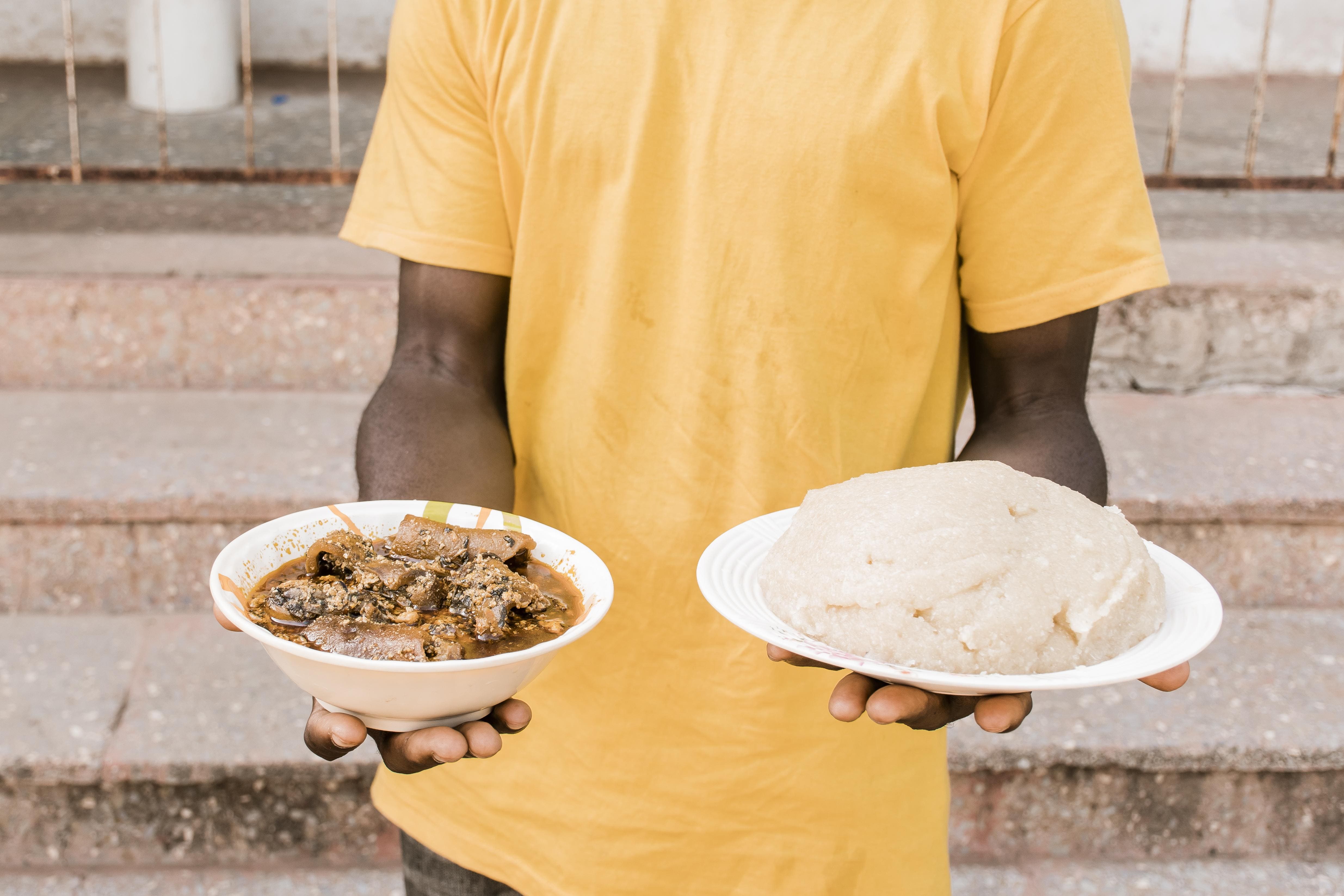
Tanzanian Food: 9 Best Local Dishes to Try
June 27, 2026
In Tanzania, food is a vibrant reflection of its diverse culture. From bustling city streets to serene coastal villages, the traditional dishes have a story and flavour that captures the essence of this beautiful country. But navigating menus, understanding local ingredients, and finding dishes that suit your dietary needs can be tricky for first-time visitors. In this article, you'll get a breakdown of Tanzania's food. By the end, you'll know all the must-try dishes, key ingredients and spices, and regional specialties to look out for.
1. UGALI
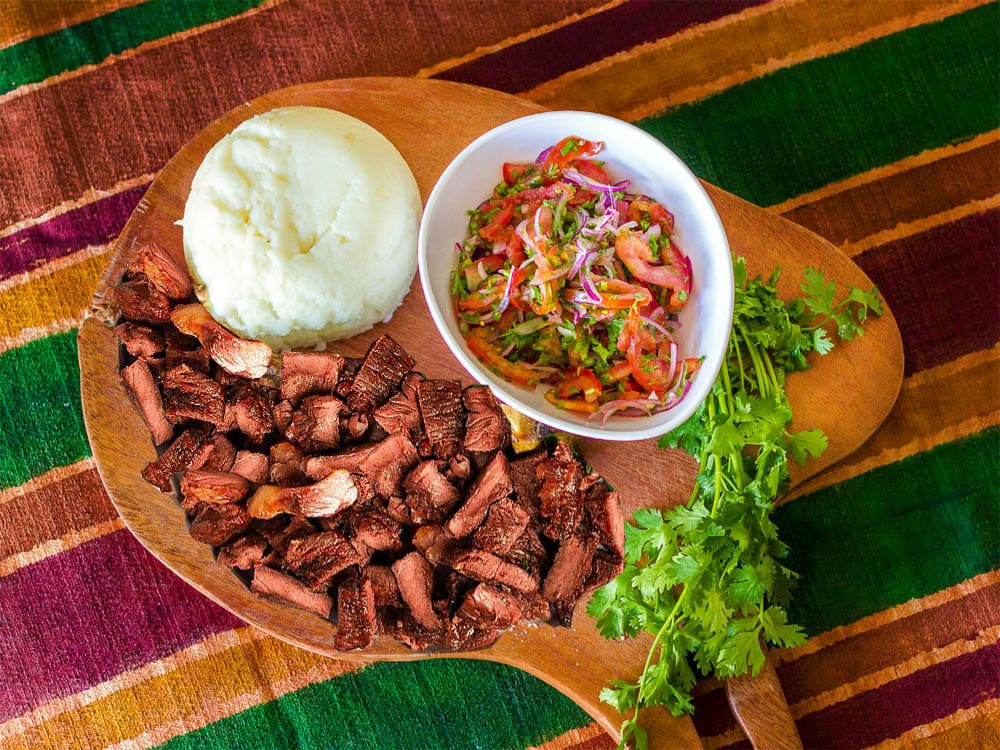
Ugali is a porridge-like dough made from cornflour and water or milk. It's one of the most common foods in Tanzania, with a simple, comforting flavour.
This dish is typically eaten with hands. Shaped into a flatish oval, a shallow depression is made with the thumb, allowing sauces, meats, or vegetables to be scooped up and enjoyed together.
Despite its simplicity, it's a dish that forms the heart of Tanzanian culture – from busy city homes to rural villages. A plate of ugali might seem plain at first, but combined with rich stews or fresh greens, it's a culinary canvas for bold flavours.
Spice level
None
Unique flavours
Mild, earthy, comforting
Best eaten with
Sauces, vegetables, or meat stews
2. NYAMA CHOMA
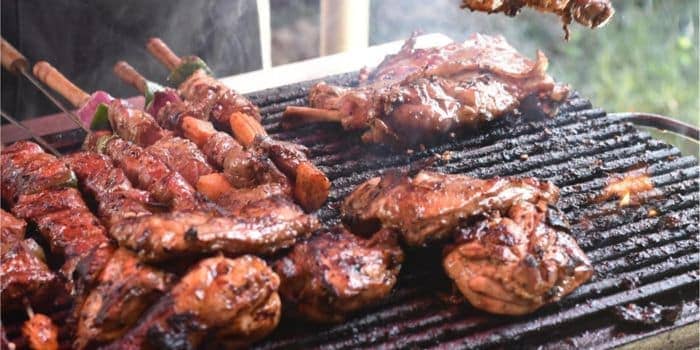
Nyama choma is a grilled meat dish. It's a traditional food in Tanzania, typically made from beef, goat, or sometimes chicken. The meat is marinated lightly, grilled slowly over open flames, and served fresh.
Locals often enjoy nyama choma during weekend gatherings or after a long day of work. Paired with kachumbari and sometimes a cold beer, it's an unforgettable taste of Tanzanian hospitality.
Spice level
Mild to medium
Unique flavours
Smoky, charred, savoury
Best eaten with
Kachumbari (tomato and onion salad relish), rice, ugali
3. ZANZIBAR PILAU
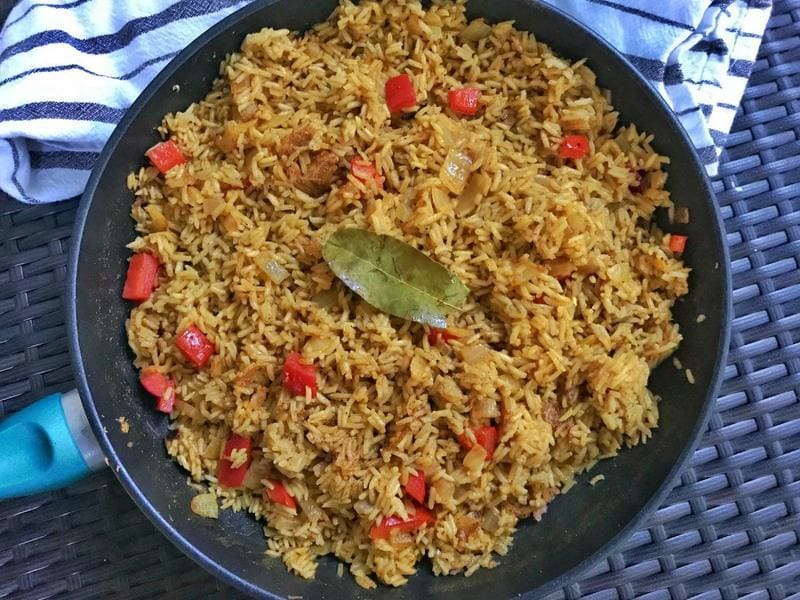
Zanzibar pilau is a rice dish that combines cloves, cinnamon, cardamom, and cumin, creating a fragrant, slightly sweet flavour that infuses every grain.
It's a popular food eaten in Tanzania, but is also traditionally served at weddings and festive occasions. Pilau can be paired with meats, vegetables, or eaten on its own as a flavourful main dish.
Spice level
Mild
Unique flavours
Fragrant, aromatic, slightly sweet
Best eaten with
Beef, chicken, or vegetable stews
4. MCHUZI WA SAMAKI
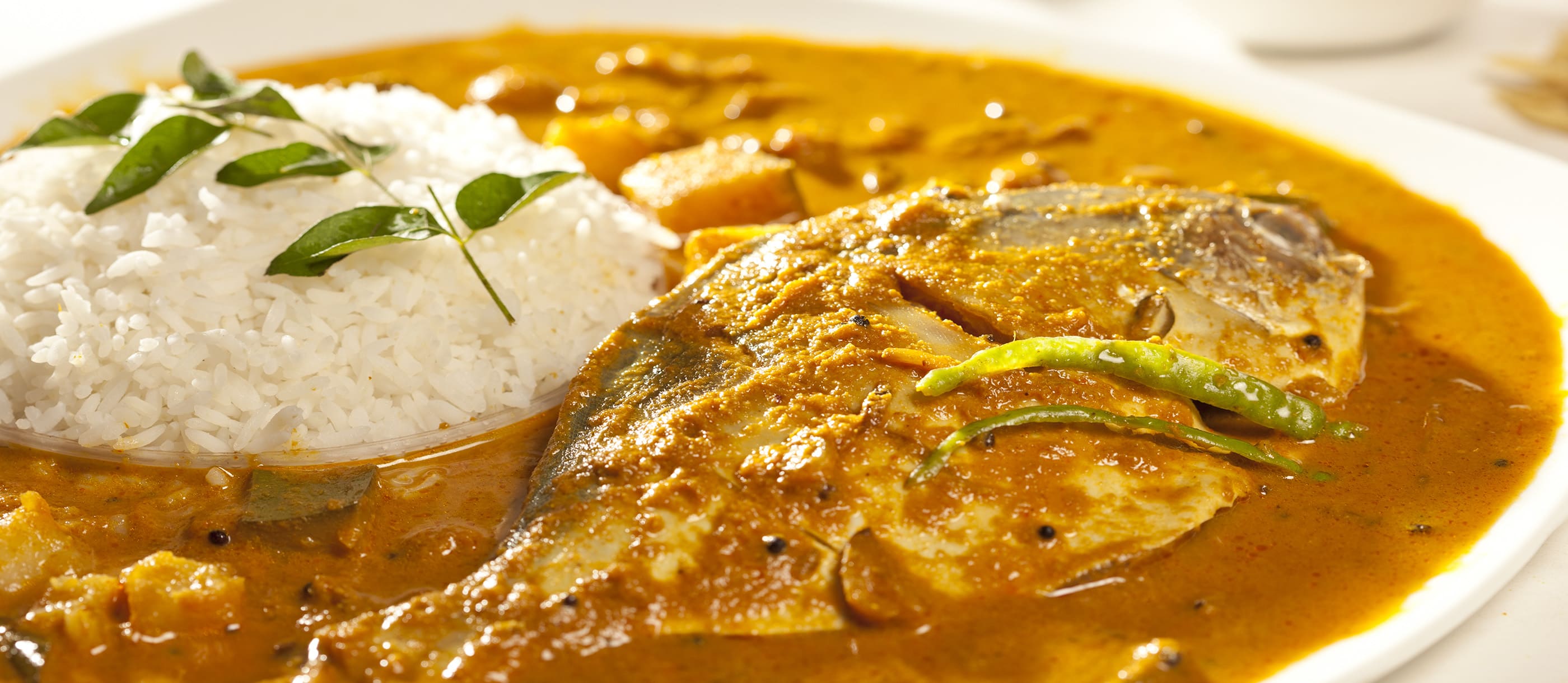
A coastal favourite, mchuzi wa samaki is a coconut-based fish curry bursting with flavour. Freshly caught fish is simmered in a sauce of coconut milk, tomatoes, garlic, and a blend of aromatic spices.
Locals enjoy it at lunch or dinner, often accompanied by steamed rice or soft chapati. Each bite offers a balance of creamy richness and tangy spice that reflects Tanzania's coastal heritage.
Spice level
Medium
Unique flavours
Creamy, coconut-rich, tangy with hints of tomato
Best eaten with
Rice, chapati, or steamed plantains
5. CHAPATI
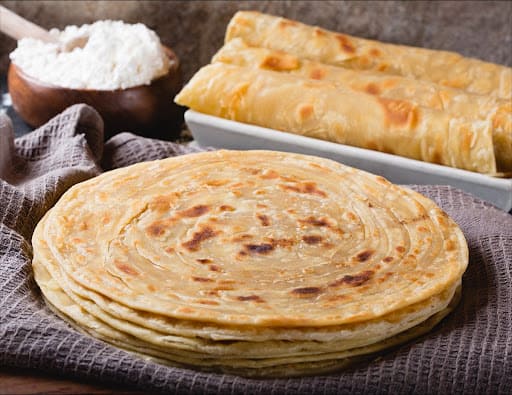
Tanzanian chapati is a deliciously soft flat-bread inspired by Indian cuisine. Over time, it's evolved into a soft, thicker, and slightly sweeter version of the Indian classic. Many locals eat it with bean stews, sauces, or simply with tea for breakfast.
While simple in ingredients, the technique of layering and frying creates a rich, chewy texture that makes chapati uniquely satisfying.
Spice level
None
Unique flavours
Buttery, soft, slightly sweet
Best eaten with
Beans, stews, or tea
6. MISHKAKI
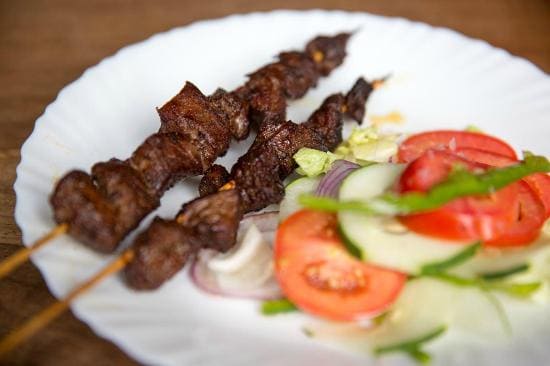
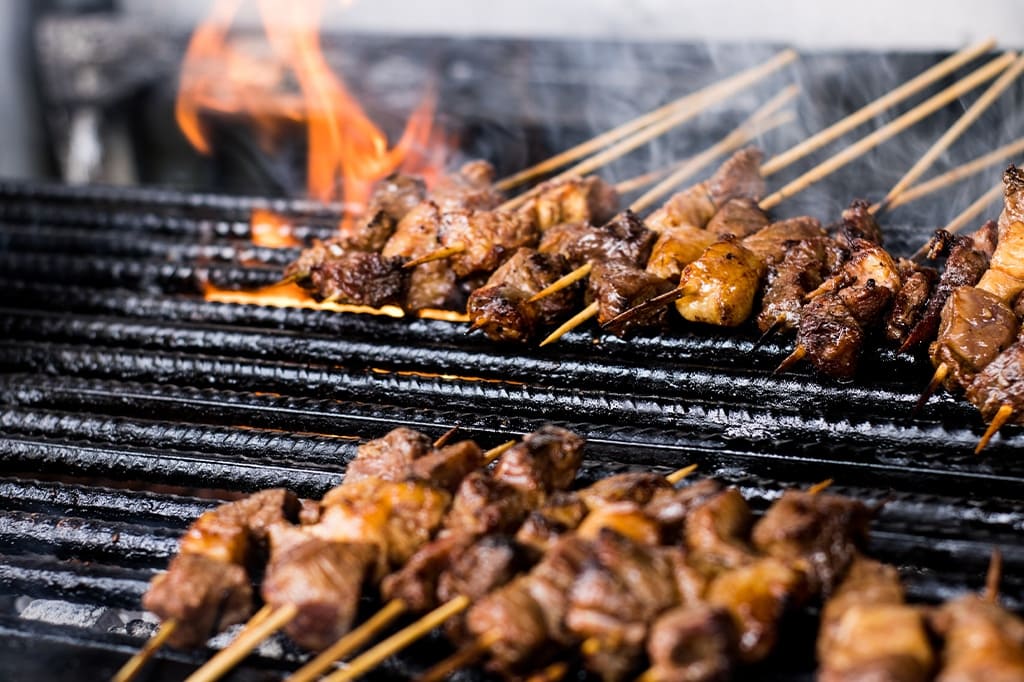
Mishkaki are marinated meat skewers, grilled over charcoal to create a smoky and delicious flavour. Popular as street food or at evening markets, the meat is marinated in a mixture of lime, chili, garlic, and spices before being cooked.
Each skewer offers a smoky, flavourful bite that pairs perfectly with a tangy salad or a cold beverage. Street vendors often serve them hot off the grill, making it a must-try while exploring Tanzania.
Spice level
Medium
Unique flavours
Smoky, tangy, garlicky, slightly spicy
Best eaten with
Rice, kachumbari, or as a street snack
7. NDIZI NYAMA
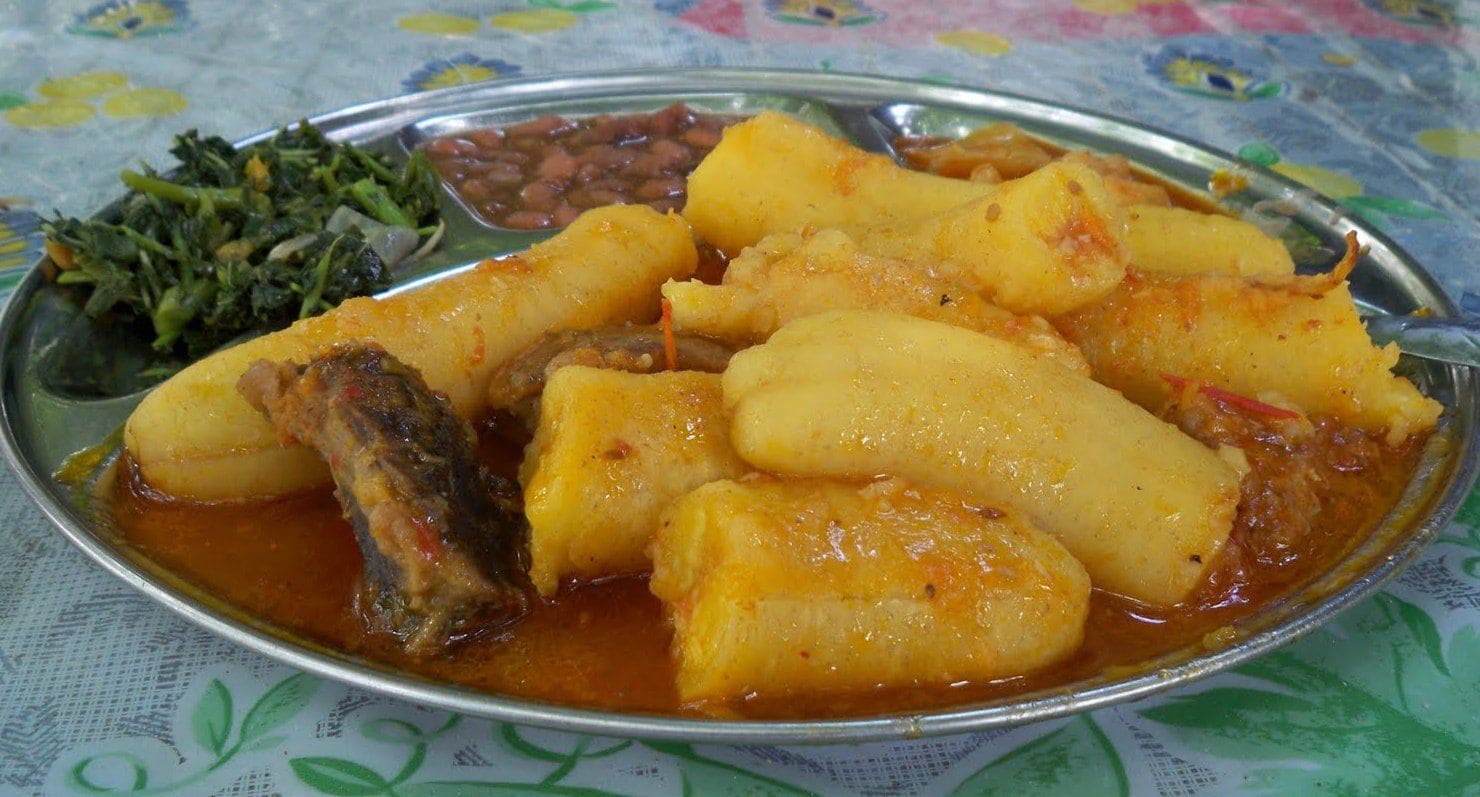
Ndizi Nyama is a traditional Tanzanian dish that combines the natural sweetness of plantains with tender pieces of meat, usually beef or goat. The ingredients are cooked in a rich, savoury sauce, often prepared with coconut milk.
It's a staple food in Tanzania, giving visitors a sense of traditional, home-cooked comfort meals.
Spice level
Mild to medium
Unique flavours
Sweet-savory, rich, comforting
Best eaten with
Steamed rice or ugali
8. MANDAZI

Mandazi are East African doughnuts – slightly sweet, soft, and fried to golden perfection. Flavoured with cardamom, coconut milk, or sometimes vanilla, they're a popular breakfast treat or snack throughout Tanzania.
These doughnuts are often enjoyed with tea or coffee, making them a perfect start to the day or a delightful afternoon treat.
Spice level
None
Unique flavours
Sweet, lightly spiced with cardamom or coconut
Best eaten with
Tea, coffee, or as a breakfast snack
9. WALI WA NAZI
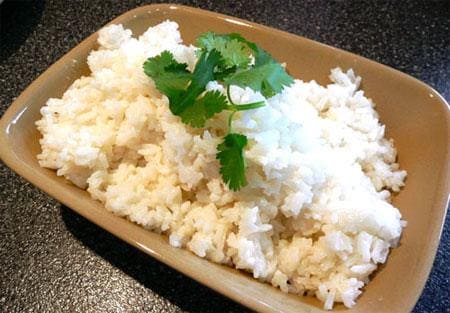
Wali wa nazi is coconut rice, a fragrant and creamy dish that's a staple in coastal regions of Tanzania. The rice is cooked in coconut milk, giving it a rich, tropical flavour that pairs beautifully with fish, chicken, or vegetable curries.
This dish showcases the influence of coastal and island cuisine on Tanzanian food culture, particularly from Zanzibar.
Spice level
None to mild
Unique flavours
Creamy, coconut-rich, fragrant
Best eaten with
Fish curry, chicken stew, or vegetable dishes
KEY FACTS ABOUT TANZANIAN FOOD
Tanzanian food focuses on fresh, local ingredients with a balance of starches, proteins, vegetables, and bold flavours. The cuisine emphasises communal eating, seasonal produce, and simple cooking methods that let the natural flavours shine.
Whether you're in the city or on the coast, understanding these ingredients helps you navigate menus, enjoy street food safely, and experience authentic Tanzanian meals.
WHAT YOU NEED TO KNOW ABOUT DINING IN TANZANIA
Dining in Tanzania is often a communal and social experience. Meals are typically shared, and eating with your hands (especially for dishes like ugali) is common and culturally accepted.
Street food is a significant part of Tanzanian food culture, offering authentic flavours at affordable prices. However, it's important to choose vendors with good hygiene practices and opt for freshly cooked items.
Restaurants range from local eateries serving traditional dishes to upscale establishments offering both local and international cuisine. Many hotels and lodges also serve a mix of Tanzanian and Western dishes to accommodate international visitors.
HOW TO NAVIGATE DIETARY REQUIREMENTS IN TANZANIA
Tanzania offers options for various dietary needs. Vegetarian dishes are available, with many traditional meals featuring beans, vegetables, and grains. However, it's important to communicate your dietary restrictions clearly, as some dishes may contain meat-based broths or animal products.
For those with allergies or specific dietary requirements, it's advisable to inform your guide or restaurant staff in advance. Many establishments are accommodating and can modify dishes to suit your needs.
TANZANIAN FOOD FAQS
What do Tanzanians eat for breakfast?
Typical breakfasts include mandazi (sweet fried dough), chapati (flatbread), tea with milk, porridge, and sometimes eggs or beans.
What food is served in Zanzibar?
Zanzibar cuisine is heavily influenced by Arabic, Indian, and African flavors. Popular dishes include pilau rice, biryani, samaki wa kupaka (fish in coconut sauce), spiced meats, fresh seafood, and tropical fruits. Street foods like roasted corn are also common.
How much does food cost in Tanzania?
The cost of food in Tanzania varies depending on where you are in the country and the type of food operator. Meals from street vendors and market stalls cost an average of £2.15 (7,000 TSh) while mid-range restaurants are around £15.32 (50,000 TSh) for two people.
CONCLUSION
Tanzanian food offers a rich and diverse culinary experience that reflects the country's cultural heritage. From the simple comfort of ugali to the aromatic spices of Zanzibar pilau, each dish tells a story of tradition, community, and the vibrant flavors of East Africa.
Whether you're exploring the bustling streets of Dar es Salaam, climbing Mount Kilimanjaro, or relaxing on the beaches of Zanzibar, taking the time to try these local dishes will enhance your Tanzanian adventure and give you a deeper appreciation for the country's culinary culture.




Excellent
Based on 100+ reviews
Need Help?
Have questions about planning your Tanzania adventure? Our travel experts are here to help.
You May Also Like
Latest Articles
Stay Updated
Subscribe to our newsletter for the latest travel guides and exclusive offers.
Request a custom itinerary for your next trip to Tanzania.
Our team of travel experts is here to help you create a custom itinerary for your next trip to Tanzania. We will work with you to create a itinerary that is tailored to your needs and budget.