
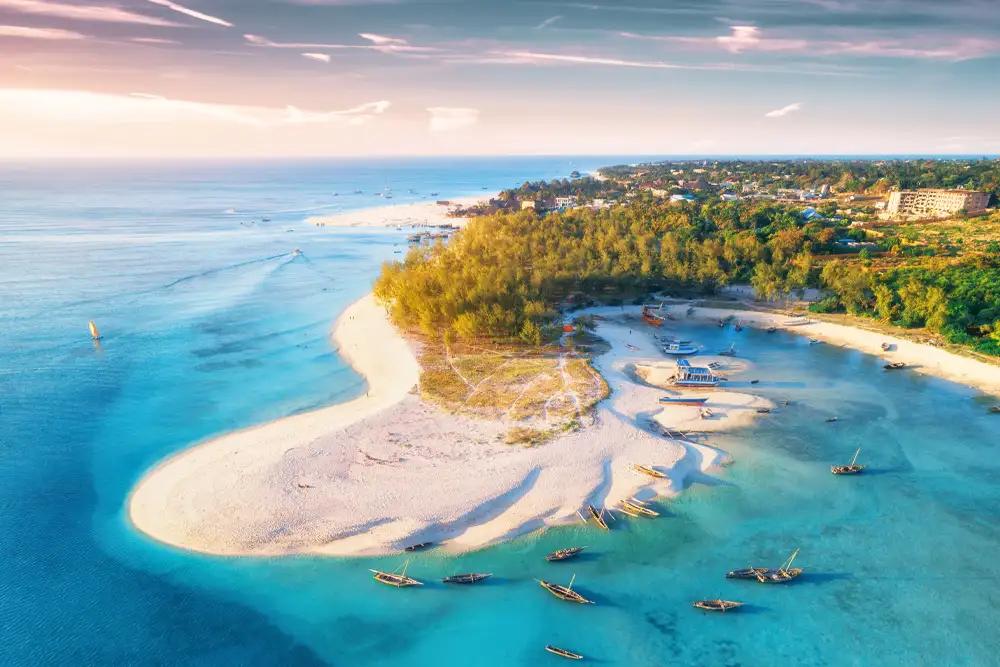
Zanzibar Safari Guide
Zanzibar is Tanzania's most celebrated island destination — a semi-autonomous archipelago of more than 50 islands rising from the warm Indian Ocean, just 25 to 40 kilometres off the East African coast. Its white-sand beaches, turquoise lagoons, and the labyrinthine alleys of Stone Town have made it one of Africa's most iconic travel destinations. But Zanzibar is far more than postcard scenery.
The island's identity has been sculpted over more than 2,000 years of Indian Ocean trade. Swahili, Arab, Persian, Indian, and Portuguese influences are layered into its architecture, cuisine, language, and daily rhythms in a way that no manufactured resort island can replicate. Walking through Stone Town — a UNESCO World Heritage Site — is a genuine encounter with living history.
For adventuresseeker.com, Zanzibar represents the natural, perfect conclusion to a Tanzania safari. After days of early-morning game drives in the Serengeti or Ngorongoro Crater, the island offers a complete contrast: warm salt water, the shade of a coconut palm, and the unhurried pace of Swahili island life. The flight from Arusha or Kilimanjaro takes less than an hour. The effect lasts for years.
QUICK FACTS ABOUT ZANZIBAR
Zanzibar at a Glance
- Official Status - Semi-autonomous region of the United Republic of Tanzania
- Location - Indian Ocean, 25–40 km east of mainland Tanzania
- Main Islands - Unguja (main island, commonly called Zanzibar) and Pemba
- Capital - Zanzibar City — Stone Town (UNESCO World Heritage Site since 2000)
- Nickname - The Spice Island — historically the world's largest clove producer
- Population - Approximately 1.8 million (2024 estimate)
- Climate - Tropical — warm year-round, 24–32°C
- Official Languages - Swahili (Kiswahili) and English
- Currency - Tanzanian Shilling (TZS) — US Dollars widely accepted in tourist areas
- Religion - Predominantly Islam (Sunni) — approximately 97% of local population
- Main Airport - Abeid Amani Karume International Airport (ZNZ), 6 km from Stone Town
- Flight from Arusha - Approximately 45–60 minutes by domestic/charter flight
- Flight from Dar es Salaam - Approximately 20–30 minutes
- Ferry from Dar es Salaam - Approximately 2 hours by fast ferry
- Best For - Honeymoon, family beach, safari extension, culture, diving, relaxation
- Combines Well With - Serengeti, Ngorongoro, Tarangire, Kilimanjaro, Ruaha, Nyerere
WHERE IS ZANZIBAR AND HOW DO YOU GET THERE?
Where exactly is Zanzibar located?
Zanzibar's geographic position in the Indian Ocean
Zanzibar lies directly east of Dar es Salaam in the Indian Ocean, separated from the Tanzanian mainland by a shallow channel between 25 and 40 kilometres wide. The main island, Unguja, measures approximately 90 kilometres from north to south and 30 kilometres at its widest point. Pemba Island, the archipelago's second-largest island, lies 80 kilometres north of Unguja and is significantly more remote and undeveloped.
This proximity to mainland Tanzania is one of Zanzibar's great logistical advantages. It is the only Indian Ocean island destination that can be reached within an hour of a world-class safari in the Serengeti — making it uniquely suited to the safari-and-beach itinerary that adventuresseeker.com specialises in.
Which international airlines fly to Zanzibar?
Direct and connecting flight options to Zanzibar International Airport
Zanzibar's Abeid Amani Karume International Airport (IATA: ZNZ) is connected to global routes through a combination of direct charter flights and one-stop hub connections.
From Europe: Direct or seasonal charter services operate from cities including London, Amsterdam, Istanbul, Rome, and Warsaw — primarily during peak months (July–October, December–February). Year-round, European travelers connect through Doha (Qatar Airways), Dubai (Emirates), Addis Ababa (Ethiopian Airlines), or Nairobi (Kenya Airways).
From Middle East: Direct services operate from Dubai (Emirates), Doha (Qatar Airways), and Abu Dhabi (Etihad). These are the most reliable year-round routings.
From North America: No nonstop flights from the USA or Canada. The most efficient routings are via London, Amsterdam, Doha, or Dubai, typically requiring one connection.
From mainland Tanzania: Multiple daily domestic flights connect Dar es Salaam, Arusha, and Kilimanjaro with ZNZ. Flight time is 20–30 minutes from Dar and 45–60 minutes from Arusha.
By fast ferry from Dar es Salaam: Fast ferry services (Azam Marine and Sea Star) operate multiple times daily from the Dar es Salaam ferry terminal. Journey time is approximately 2 hours. This option is economical but dependent on sea conditions.
✈️ Adventures Seeker Tip: For safari-and-Zanzibar combinations, we always recommend flying — not the ferry. The ferry adds 4–5 hours of travel time and is affected by sea conditions. A domestic flight takes 20 minutes and costs approximately $80–$120 USD each way. It is worth every cent.
How far is Zanzibar airport from the beaches and Stone Town?
Airport transfer times across the island
- Stone Town
- Distance: ~6 km
- Drive Time: 10–15 minutes
- Notes: Nearest major area — quick transfer
- Nungwi (North)
- Distance: ~55 km
- Drive Time: 60–75 minutes
- Notes: Longest transfer — worth it for beach quality
- Kendwa (North)
- Distance: ~52 km
- Drive Time: 55–70 minutes
- Notes: Adjacent to Nungwi
- Matemwe (NE Coast)
- Distance: ~45 km
- Drive Time: 50–65 minutes
- Notes: Boutique resorts, quiet beaches
- Michamvi (East)
- Distance: ~45 km
- Drive Time: 50–70 minutes
- Notes: Honeymoon villas, dramatic scenery
- Paje (East)
- Distance: ~35 km
- Drive Time: 40–55 minutes
- Notes: Kitesurfing, backpacker/mid-range resorts
- Jambiani (SE)
- Distance: ~40 km
- Drive Time: 45–60 minutes
- Notes: Quietest coast, authentic villages
Adventures Seeker arranges all airport transfers as a standard part of every Zanzibar package. Guests are met at arrivals by a named, vetted driver in an air-conditioned vehicle — no negotiating with strangers at the airport.
BEST TIME TO VISIT ZANZIBAR
What is the overall best time to visit Zanzibar?
Seasonal overview for planning your Zanzibar trip
Zanzibar has a tropical climate with warm temperatures year-round (24–32°C) — the Indian Ocean keeps temperatures moderate and consistent. What changes significantly between seasons is rainfall, humidity, sea conditions, and how those factors affect your activities. Understanding this determines whether you swim, dive, and explore comfortably or spend afternoons dodging heavy rain.
- Long Dry (Peak Season)
- Months: June – October
- Weather: Dry, warm, light southeast breeze
- Beach Conditions: Excellent
- Diving: Good visibility
- Crowds: High
- Short Dry (Warm Season)
- Months: December – February
- Weather: Hot, dry, very warm seas
- Beach Conditions: Excellent
- Diving: Best visibility
- Crowds: High
- Short Rains (Shoulder Season)
- Months: November
- Weather: Brief afternoon showers
- Beach Conditions: Good
- Diving: Good
- Crowds: Moderate
- Long Rains (Low Season)
- Months: March – May
- Weather: Heavy daily rainfall
- Beach Conditions: Limited
- Diving: Reduced visibility
- Crowds: Very Low
When is the dry season in Zanzibar?
Zanzibar's two dry periods explained
Zanzibar has two dry seasons — and they feel quite different from each other.
June to October (Long Dry Season): This is the most popular time to visit. The south-east trade winds (Kusi) blow steadily, keeping temperatures comfortable — warm but not humid. Skies are mostly clear, rainfall is minimal, and sea conditions on the north coast are calm. This period coincides perfectly with the peak Great Migration season on mainland Tanzania, making it ideal for safari-and-Zanzibar combinations. Book accommodation 4–8 months ahead for July and August.
December to February (Short Dry Season): The north-east monsoon (Kaskazi) brings calm, clear conditions and the warmest sea temperatures of the year — ideal for swimming and snorkelling visibility. This period is especially popular with honeymooners, European winter escapees, and divers targeting whale sharks (January–February, occasionally visible near Pemba). Note that Christmas and New Year dates command significant price premiums.
🌊 Diving Note: The best underwater visibility in Zanzibar occurs between October and March, when the Indian Ocean is at its clearest. July–August diving is perfectly fine but visibility is slightly lower due to the SE monsoon. Whale shark season typically runs November–February near Pemba Island.
When is the rainy season in Zanzibar?
Understanding Zanzibar's two rainy periods
Long Rains — March to May (Masika): Heavy, sustained rainfall — often all-day storms rather than afternoon showers. This is Zanzibar's true low season. Some smaller resorts and dhow cruise operators suspend operations. Sea conditions on the east coast can be rough, and diving visibility drops significantly. However, luxury hotels remain open and offer discounts of 30–50%. If you want privacy, value, and don't mind some rain, this period has appeal for the right traveller.
Short Rains — November (Vuli): Brief afternoon showers — typically 1 to 2 hours — followed by clear skies. These rarely disrupt a beach holiday significantly. Sea conditions normalise quickly, and the landscape turns lush and photogenic. Late November is an excellent shoulder-season value window.
Which months are best for a beach holiday in Zanzibar?
Month-by-month beach conditions
- January
- Beach Rating: ⭐⭐⭐⭐⭐
- Notes: Warm, dry, excellent — north coast best. Peak demand.
- February
- Beach Rating: ⭐⭐⭐⭐⭐
- Notes: Best month overall — perfect weather, great visibility
- March
- Beach Rating: ⭐⭐⭐
- Notes: Rains beginning — travel in first two weeks if possible
- April
- Beach Rating: ⭐⭐
- Notes: Heavy rains — low season. Some resorts close.
- May
- Beach Rating: ⭐⭐
- Notes: Heavy rains continue. Good for budget/photography.
- June
- Beach Rating: ⭐⭐⭐⭐
- Notes: Dry season opens. SE breeze, slightly cooler, excellent.
- July
- Beach Rating: ⭐⭐⭐⭐⭐
- Notes: Peak season — ideal conditions, north coast perfect.
- August
- Beach Rating: ⭐⭐⭐⭐⭐
- Notes: Peak season — most crowded. Book very early.
- September
- Beach Rating: ⭐⭐⭐⭐⭐
- Notes: Excellent — SE breeze easing, slightly fewer crowds.
- October
- Beach Rating: ⭐⭐⭐⭐
- Notes: Transition month — very good conditions.
- November
- Beach Rating: ⭐⭐⭐
- Notes: Short rains — afternoon showers. Good shoulder value.
- December
- Beach Rating: ⭐⭐⭐⭐
- Notes: Dry and warm. Prices spike at Christmas/NYE.
WHERE TO STAY IN ZANZIBAR: BEACHES, AREAS, AND ACCOMMODATION
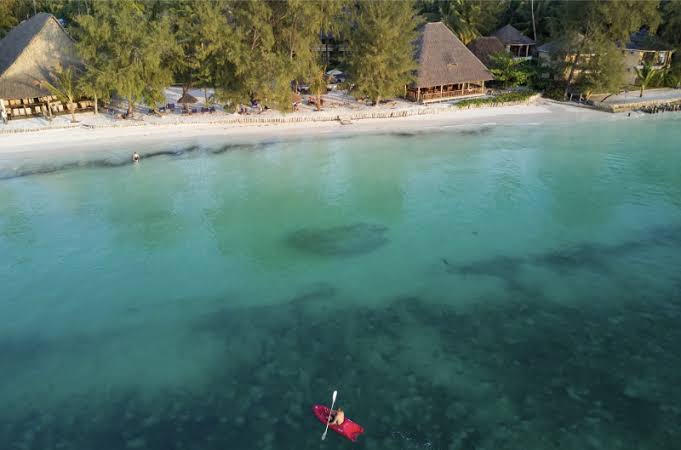
Which area of Zanzibar is best for staying?
Overview of Zanzibar's coastal zones for different travellers
The most important accommodation decision in Zanzibar is not which hotel — it is which coast. Each area has a distinct character, tide pattern, and price profile. Choosing the wrong coast for your travel style is the single most common mistake visitors make, and it is entirely avoidable.
Here is the area and coast breakdown formatted as a clean, scannable list:
- Nungwi
- Coast: North
- Best For: First-timers, couples, families
- Tides: Minimal — swim all day
- Vibe: Lively, resort-focused
- Kendwa
- Coast: North
- Best For: Parties, sunset beach bars, couples
- Tides: Minimal — swim all day
- Vibe: Social, vibrant
- Matemwe
- Coast: Northeast (NE)
- Best For: Honeymooners, boutique, photographers
- Tides: Moderate
- Vibe: Tranquil, boutique luxury
- Michamvi Peninsula
- Coast: East
- Best For: Honeymoon villas, privacy, romance
- Tides: Significant
- Vibe: Ultra-quiet, dramatic views
- Paje
- Coast: East
- Best For: Kitesurfing, younger travellers, backpackers
- Tides: Significant
- Vibe: Active, casual
- Jambiani
- Coast: Southeast (SE)
- Best For: Village life, authentic, slow travel
- Tides: Significant
- Vibe: Local, unhurried
- Bwejuu
- Coast: Southeast (SE)
- Best For: Couples, quiet resorts, low crowd
- Tides: Significant
- Vibe: Peaceful, romantic
- Stone Town
- Coast: West
- Best For: Culture, history, short stays
- Tides: N/A (no swimming beach)
- Vibe: Heritage, urban
Which Zanzibar beach is best for families?
Family-friendly beach areas in Zanzibar
Nungwi and Kendwa on the north coast are the clear first recommendation for families travelling with children. The shallow, calm lagoon allows children to swim safely throughout the day with no tidal variation to worry about. The wider choice of mid-range and family-category resorts, the proximity to activities and restaurants, and the ease of logistics make the north coast the most practical base for families.
Several Nungwi resorts have swimming pools as alternatives during any brief sea conditions change, child-friendly menus, and organised activities. Ask Adventures Seeker to specifically filter for child-accepting resorts — many boutique properties are adults-only and it matters at booking stage, not arrival.
👨👩👧 Family Note: Always tell your operator the ages of your children at the booking stage. Zanzibar's tidal east coast can expose hundreds of metres of seabed during low tide — fine for exploring with older children, but limiting for families with toddlers who want to splash. The north coast eliminates this complication entirely.
Which area is best for a Zanzibar honeymoon?
Most romantic areas in Zanzibar for couples
Zanzibar is one of East Africa's finest honeymoon destinations. The right location depends on whether you prioritise swimming convenience, dramatic scenery, or privacy.
Matemwe (North-East): The most consistently popular honeymoon choice. Boutique properties like Matemwe Lodge and similar small-scale retreats offer beachfront rooms directly above the sand, exceptional Indian Ocean views, and a peaceful environment. Tides are moderate — a sunrise walk at low tide along the exposed reef is an experience in itself.
Michamvi Peninsula (East): For couples who want genuine seclusion and extraordinary views. Properties here are often villa-style with private plunge pools and panoramic ocean terraces. The dramatic tidal drop creates some of Zanzibar's most photogenic seascape — particularly at sunset when the exposed lagoon reflects the golden sky.
Nungwi (North): For honeymooners who also want to swim, socialise slightly, and attend a classic sunset beach bar. Nungwi has several excellent boutique-adjacent properties alongside its larger resorts. The swimming here is unmatched on the island.
What types of accommodation are available in Zanzibar?
Zanzibar accommodation tiers from budget to luxury
- Budget Guesthouses
- Approx. Cost/Night: $30 – $80
- What You Get: Fan rooms, shared or en-suite bathrooms, basic local meals
- Best Areas: Stone Town, Paje, Jambiani
- Mid-Range Hotels
- Approx. Cost/Night: $80 – $200
- What You Get: Air-conditioning, private bathroom, swimming pool access, on-site restaurant
- Best Areas: Nungwi, Paje
- Comfort Resorts
- Approx. Cost/Night: $200 – $400
- What You Get: Beachfront rooms, multiple restaurants, direct watersports access
- Best Areas: Nungwi, Kendwa, Matemwe
- Boutique Hotels
- Approx. Cost/Night: $300 – $600
- What You Get: Small-scale property, design-led rooms, personalized service, premier beach access
- Best Areas: Matemwe, Michamvi, Bwejuu
- Luxury Resorts
- Approx. Cost/Night: $600 – $1,500+
- What You Get: Private villas, individual plunge pools, dedicated butler service, full-service spa
- Best Areas: Matemwe, Michamvi, Nungwi
- Private Villas
- Approx. Cost/Night: $800 – $3,000+
- What You Get: Entire villa exclusively for your party, private chef options, total seclusion
- Best Areas: Paje, Michamvi, Matemwe
Adventures Seeker Booking: We work directly with vetted resorts across all tiers and all coastal areas. Every accommodation we recommend has been assessed for location accuracy, tide conditions, and actual guest experience — not just star ratings or promotional descriptions. Tell us your travel style and we match you precisely.
ZANZIBAR'S BEST BEACHES AND MARINE EXPERIENCES
What are the best beaches in Zanzibar?
Detailed breakdown of Zanzibar's most beautiful beaches
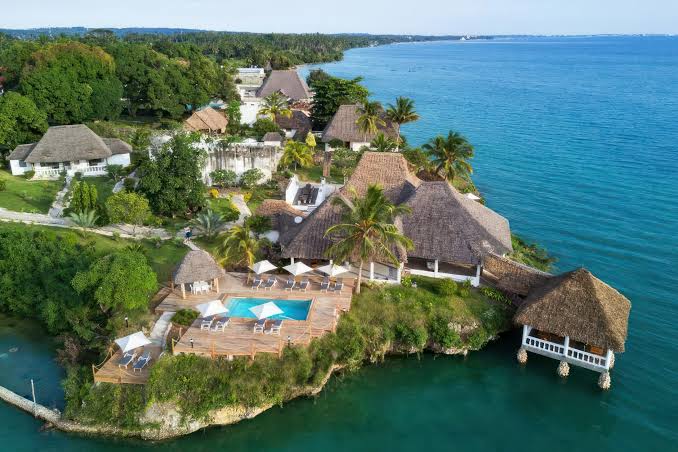
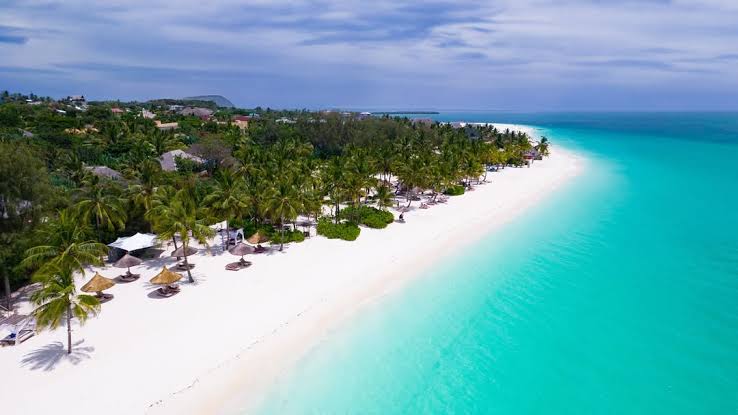
Zanzibar's coastline is one of the finest in the Indian Ocean. Each beach has a distinct personality. Here is how to choose.
Nungwi Beach (North Coast)
The most popular beach on the island for good reason: Nungwi has the calmest swimming conditions of any beach in Zanzibar. The shallow lagoon allows swimming throughout the day regardless of tides. The beach itself is wide, white, and fringed with palms. A traditional dhow-building village at the northern tip adds cultural texture. In the evening, beach bars fill with travellers watching one of Zanzibar's most spectacular sunsets across the open ocean.
Kendwa Beach (North Coast)
Adjacent to Nungwi and sharing the same calm, tide-free swimming conditions. Kendwa is slightly quieter and more resort-focused, known for its full-moon beach parties and a row of attractive mid-range to upper-market properties directly on the sand. The beach is narrower than Nungwi at high tide but excellent overall.
Matemwe Beach (North-East Coast)
One of Zanzibar's most beautiful and underappreciated beaches. The reef platform off Matemwe is a launching point for snorkelling excursions to the Mnemba Atoll — the island's finest marine reserve. The beach is quieter than the north coast, and the boutique properties here are among the best-managed on the island. Tides drop significantly — at low tide, a vast stretch of exposed reef and sand creates extraordinary seascape photography.
Paje Beach (East Coast)
Paje is the island's kitesurfing capital. From June to September, consistent south-east trade winds and a large shallow lagoon create near-perfect kitesurfing conditions that attract professionals and beginners from across the world. Several kitesurfing schools operate with internationally certified instructors. Accommodation ranges from casual beach bungalows to comfortable mid-range hotels. The east-coast tidal pattern applies — low tide can expose significant seabed, so swimming is best planned around the tide table.
Michamvi Peninsula (East Coast)
The most dramatic and private peninsula on the island. Jutting into the ocean with views both north and south, Michamvi hosts several small, high-end villa properties that are genuinely exclusive. The tidal pattern here is striking — at low tide, the shallow lagoon extends for hundreds of metres, revealing starfish, sea glass, and traditional seaweed farms. At high tide, the water returns to swim-clear blue. The sunsets from the east-facing properties catch the last light in an extraordinary way.
Jambiani and Bwejuu (South-East Coast)
The most traditional and uncrowded coastline on the island. These long, quiet stretches of beach are backed by fishing villages where daily life continues largely unchanged by tourism. Accommodation is a mix of small guesthouses, eco-lodges, and a few mid-range beach hotels. For travellers seeking authentic Zanzibar without the resort atmosphere, this is the most rewarding coast.
Are Zanzibar beaches safe for swimming?
Tide information and swimming safety across Zanzibar's coasts
Zanzibar's beaches are generally safe for swimming when tide conditions are appropriate. There are no shark attacks on record in Zanzibar's main tourist beaches. The water is warm (26–29°C year-round) and free of dangerous currents in the lagoon areas.
The critical factor is tides. On the east and south-east coast, tidal variation of 2–3 metres is normal. This means the sea can recede by up to 500 metres at low tide, exposing reef and seabed. Swimming is impossible during low tide in these areas but excellent during high tide. Check tide tables before booking an east-coast property.
The north coast (Nungwi, Kendwa) has minimal tidal variation — the coral reef configuration means sea levels remain relatively constant regardless of tidal cycle. This is why the north coast is recommended for families and anyone who wants unrestricted swimming.
🐟 Marine Life Note: Zanzibar's lagoon waters are home to starfish, sea urchins, and coral in shallow areas. Water shoes are recommended for walking on the reef during low tide. Green sea turtles are frequently seen from boats and occasionally near the beach at Nungwi's turtle sanctuary.
Where are the best snorkelling spots in Zanzibar?
Top snorkelling locations ranked by marine life quality
Mnemba Atoll Marine Reserve (North-East): Zanzibar's finest snorkelling destination by a significant margin. The protected atoll is home to sea turtles, dolphins, parrotfish, angelfish, moray eels, and vibrant coral gardens. Visibility is often 15–25 metres. Day trips depart from Matemwe or Nungwi. Note: the island itself is privately owned (by &Beyond), but the surrounding marine reserve is open.
Chumbe Island Coral Park (South-West): A private marine protected area with one of the best-preserved coral reefs in East Africa. Snorkelling here is strict in terms of conduct — no touching, no sunscreen with chemicals — and the experience is all the better for it. Day trips available from Stone Town.
Prison Island (Changuu): Basic reef snorkelling combined with the famous giant tortoise experience. Not the most spectacular snorkelling, but perfectly adequate for beginners and a wonderful half-day excursion.
Bawe Island and Coral Gardens (West): Close to Stone Town and accessible on a short boat trip. Suitable for beginner snorkellers. Used by many Stone Town-based operators for introductory trips.
Can beginners do scuba diving in Zanzibar?
Diving in Zanzibar for first-time divers
Yes — Zanzibar is one of the most diver-friendly destinations in the Indian Ocean for beginners. The shallow, warm, clear waters around the island are ideal for PADI Open Water certification courses, and several internationally certified dive centres operate from Nungwi, Matemwe, and Paje. A PADI Open Water course typically takes 3 to 4 days and qualifies you to dive to 18 metres anywhere in the world — and Zanzibar is an excellent place to earn it.
Experienced divers will find excellent sites including Leven Bank (a 6-kilometre pinnacle teeming with pelagic fish), Mnemba Atoll, and various wall dives on the outside of the reef. Visibility peaks between October and March, with the best whale shark encounters typically in January and February around Pemba Island.
Are sunset dhow cruises available in Zanzibar?
Dhow cruises and private boat experiences
Traditional wooden dhow cruises are one of Zanzibar's most beloved experiences. The classic format is a two-hour sunset cruise departing from the Stone Town waterfront, sailing along the coast as the sun drops below the horizon — often with local snacks, fresh fruit, and soft drinks. Trips are available in shared group format or privately chartered.
Adventures Seeker can arrange private dhow charters for honeymooners, anniversaries, or small groups. A private sunset cruise can include canapés, chilled drinks, a live musician, and a dedicated crew — transforming a pleasant activity into a defining memory of the trip.
TOP THINGS TO DO IN ZANZIBAR
What are the top experiences and activities in Zanzibar?
Comprehensive guide to Zanzibar's best activities
Zanzibar rewards travellers who engage beyond the beach. The island's history, culture, cuisine, and marine environment are equally extraordinary. Here are the experiences that define a complete Zanzibar visit.
1. Stone Town Walking Tour
Stone Town is a UNESCO World Heritage Site and the cultural heart of Zanzibar — a living city where the 19th-century Indian Ocean trade world is still legible in every carved door, every narrow alley, and every crumbling merchant palace. A guided walking tour of 3 to 4 hours covers the Old Fort (built by Omani Arabs in 1698), the House of Wonders, the former Slave Market (now the Anglican Cathedral), the Sultans' Palace Museum, and Forodhani Gardens evening market. Do not do Stone Town without a knowledgeable local guide — the layers of history are invisible without context.
2. Zanzibar Spice Farm Tour
Zanzibar earned the name 'Spice Island' because it was historically the world's largest producer of cloves, and the island's interior is still laced with working plantations growing cloves, cinnamon, nutmeg, vanilla, cardamom, black pepper, turmeric, lemongrass, and ylang-ylang. A spice farm tour takes approximately 2 to 3 hours and is intensely sensory — guides will pick, crush, and describe each spice, and the aromas are extraordinary. Tours typically include fresh fruit tasting (jackfruit, breadfruit, star fruit, banana) and a demonstration of traditional coconut climbing.
Choose tours operated by or recommended through a reputable operator. Some farm tours have become commercialised and rushed. The best ones involve genuine agricultural working farms, meaningful guide knowledge, and a proper lunch of Swahili food at the farm.
3. Prison Island (Changuu Island) Half-Day Excursion
Prison Island sits 5.6 kilometres north-west of Stone Town and is reached by a 20-minute boat ride. The island was originally intended as a quarantine station (not a prison, despite the name) and later a detention facility, but its chief fame today is its population of giant Aldabra tortoises — some over 100 years old. Visitors can feed and photograph these remarkable animals, which weigh up to 250 kilograms. The island also has a small beach, basic snorkelling, and historical ruins.
4. Mnemba Atoll Snorkelling or Diving Day Trip
A full-day boat excursion to Mnemba Atoll is one of Zanzibar's finest experiences. Most trips depart from Matemwe or Nungwi, include two or three snorkelling stops within the marine reserve, lunch on a sandbank, and the journey itself — which often passes spinner dolphins surfing the boat's bow wave. This is also one of the best spots for sea turtles in Zanzibar, with sightings common on nearly every visit.
5. Jozani Forest — Red Colobus Monkey Visit
Jozani-Chwaka Bay National Park in the island's interior is the only national park in Zanzibar and the last remaining home of the Zanzibar red colobus monkey — a critically endangered primate found nowhere else on Earth. A guided forest walk of 1 to 2 hours usually guarantees close encounters with habituated troops of 30 to 60 monkeys in the fig and mahogany canopy. The park also protects mangrove boardwalks, duiker antelope, and over 50 bird species. Half-day excursion — can be combined with a spice tour.
6. Forodhani Night Market, Stone Town
Every evening from dusk, the waterfront gardens of Forodhani in Stone Town transform into one of East Africa's most atmospheric street food markets. Stalls grill fresh seafood — lobster, prawns, kingfish, squid — alongside Zanzibar pizza (a local thin-dough street snack filled with egg, cheese, and meat), sugarcane juice, and Swahili staples. Entry is free; bring small-denomination Tanzanian shillings. Arrive at sunset and stay for dinner. It is one of the most memorable meals in Tanzania.
7. Nakupenda Sandbank Day Trip
Nakupenda (which means 'I love you' in Swahili) is a small white sandbank that appears at low tide offshore from Stone Town. Day trips typically include a boat transfer, a picnic lunch on the sand, snorkelling, and often a short stop at Prison Island. The sandbank can be crowded in peak season, but it is a quintessential Zanzibar experience — surrounded by turquoise water with no land visible in any direction.
8. Kitesurfing at Paje
Paje is one of the top 10 kitesurfing destinations in the world. From June to September, the Kusi trade winds blow steadily across the shallow east-coast lagoon, creating ideal flat-water conditions. Certified schools offer 2-day introduction courses as well as full VDWS/IKO certifications. Even non-kitesurfers visiting Paje enjoy watching the spectacle of dozens of kites in the sky above the lagoon.
9. Pemba Island — The Wild Alternative
For experienced travellers who have done Zanzibar's main island and want something entirely different: Pemba. More remote, less accessible, and dramatically less visited, Pemba is covered in dense clove plantations and surrounded by some of the Indian Ocean's most extraordinary deep-water diving — walls and channels with visibility exceeding 30 metres and abundant pelagic species. There is minimal tourist infrastructure; Pemba suits self-sufficient, experienced travellers.
How many days are enough for Zanzibar?
Recommended lengths of stay for different travel styles
| Duration | Best For | What You Can Cover |
|---|---|---|
| 3 – 4 nights | Safari extension — beach rest | Beach relaxation, one excursion (Stone Town or Prison Island), sunset dhow |
| 5 – 6 nights | First-time visitors, couples | Stone Town, spice tour, Mnemba snorkelling, Prison Island, beach days |
| 7 – 8 nights | Honeymooners, families, divers | Full excursion programme, two coastal areas, dive course, private experiences |
| 10+ nights | Slow travel, luxury, Pemba combo | Everything above plus Pemba Island, Jozani, village visits, spa immersion |
CULTURE, RELIGION, AND WHAT TOURISTS NEED TO KNOW
Is Zanzibar a Muslim destination?
Understanding Zanzibar's Islamic heritage and what it means for tourists
Zanzibar is a predominantly Muslim society. Approximately 97% of the local population on Unguja and Pemba identifies as Sunni Muslim. This is not a recent imposition — Islam arrived on the East African coast via Indian Ocean trade routes over 1,000 years ago, and it is as native to Zanzibar's identity as its spices, dhows, and carved doors.
For tourists, this means Zanzibar operates differently from purely secular beach resorts. The call to prayer is heard five times daily. Ramadan is observed (opening hours and services are adjusted during this month). Local dress norms are conservative, particularly away from resort areas. Alcohol, while available in hotels and tourist venues, is not universally present.
None of this should be a deterrent. Zanzibar is genuinely welcoming to international visitors of all backgrounds and faiths. The key is respect — an approach that enriches, rather than limits, the experience.
🕌 Cultural Insight: Travelling during Ramadan is actually one of the most culturally interesting times to visit Zanzibar. Iftar (the breaking of the fast at sunset) is a communal, celebratory meal shared across the island. Forodhani Gardens fills with families. The atmosphere is warm and hospitable. Many visitors find it unexpectedly moving.
What should tourists wear in Zanzibar?
Dress code guidance for different contexts
At the beach or resort: Standard beach and resort clothing — swimwear, shorts, summer dresses, t-shirts — is entirely appropriate within the resort property and on the beach in front of it.
In Stone Town and local villages: Cover shoulders and knees. Women are advised to carry a light scarf or pareo (sarong). Men should wear knee-length shorts or trousers and a t-shirt. Walking through Stone Town shirtless is disrespectful and will draw criticism.
At mosques or religious sites: Remove shoes, cover head (women), cover all limbs. Non-Muslims are welcome to view mosques from outside but should ask before entering.
The practical solution for Zanzibar travel is to keep a pareo or light scarf in your bag at all times. It covers a multitude of transitions — from beach to village, from boat to market — in seconds.
Can tourists drink alcohol in Zanzibar?
Alcohol access and etiquette
Yes. Alcohol is available in hotels, resorts, beach bars, and licensed restaurants throughout Zanzibar's tourist areas. Zanzibar has developed a tourism industry that accommodates international expectations while maintaining respect for local values. A cocktail at a Nungwi beach bar, a cold beer at a Matemwe resort, or wine with dinner at a Stone Town restaurant are all perfectly accessible.
What is not appropriate: drinking alcohol in public spaces (streets, markets, waterfront), near mosques, or in local (non-tourist) establishments. Public intoxication is both culturally offensive and potentially subject to fines under local law.
What languages are spoken in Zanzibar?
Communication on the island
Swahili (Kiswahili): The primary language of daily life, education, government, and commerce. A few words of Swahili — jambo (hello), asante (thank you), habari? (how are you?) — are genuinely appreciated and will produce warm, open responses.
English: Widely spoken by tourism staff, hotel workers, guides, and drivers across the island. Communication in English is seamless in tourist contexts.
Arabic: Present in religious contexts and among traders with Gulf connections. Not needed for tourist purposes but explains certain place names and cultural references.
Is Zanzibar LGBTQ-friendly?
Honest guidance for LGBTQ travellers
Zanzibar is a conservative, Muslim-majority destination. Same-sex relationships are not publicly accepted or culturally normalised, and public displays of affection between same-sex partners are inadvisable regardless of legal technicalities.
In practice, many LGBTQ travellers visit Zanzibar without incident when approaching the destination with cultural awareness and discretion. Resort properties operate under international hospitality standards and treat all guests professionally. The island is not hostile to visitors — it is conservative, and the distinction matters.
Adventures Seeker will always provide honest, specific guidance to LGBTQ guests about accommodation selection and appropriate behaviour. With thoughtful planning, Zanzibar's extraordinary beauty and culture can be fully enjoyed.
HEALTH, SAFETY, VISAS, AND MONEY
Do I need a visa to visit Zanzibar?
Visa requirements for entering Zanzibar as a tourist
Zanzibar is part of the United Republic of Tanzania. There is no separate Zanzibar visa — entry is governed by Tanzania's national immigration system. Most international tourists require a Tanzania tourist visa, which covers the mainland and Zanzibar equally.
Here is the visa requirement breakdown formatted as a clean, scannable list:
- United States
- Visa Type: Tourist visa required
- Fee (USD): $100
- How to Obtain: eVisa online or visa on arrival
- United Kingdom
- Visa Type: Tourist visa required
- Fee (USD): $50
- How to Obtain: eVisa recommended for faster processing
- European Union (most)
- Visa Type: Tourist visa required
- Fee (USD): $50
- How to Obtain: eVisa or visa on arrival (check requirements by country)
- Canada / Australia
- Visa Type: Tourist visa required
- Fee (USD): $50
- How to Obtain: eVisa recommended
- East African Community
- Visa Type: Free movement
- Fee (USD): Free
- How to Obtain: Kenya, Uganda, Rwanda citizens — no visa required
- Select African Nations
- Visa Type: Visa-free
- Fee (USD): Free
- How to Obtain: Confirm the current exemption list directly at immigration.go.tz
e-Visa application: Apply online at evisa.go.tz. Processing takes 3–10 business days. Apply at least 3 weeks before travel. Single-entry visas are valid for 90 days. Multiple-entry options exist for specific travel patterns.
Passport requirements: Passport must be valid for at least 6 months beyond your arrival date. Minimum one blank page required — two is strongly advised. Airlines check this at departure.
Return ticket: Immigration may request proof of onward or return travel. Airlines enforce this before boarding. Ensure your ticket is confirmed before departure.
⚠️ Important: Visa fees and requirements can change. Always verify with the Tanzania High Commission or Embassy in your country, or via the official eVisa portal, before finalising travel plans. Adventures Seeker provides up-to-date guidance to all guests as part of our pre-travel communication.
What vaccinations are needed for Zanzibar?
Health and vaccination guidance
Consult a travel medicine clinic or your GP at least 6 weeks before departure. Standard recommendations for Zanzibar:
- Malaria prophylaxis: Essential. Zanzibar has significantly lower malaria rates than mainland Tanzania due to sustained control programmes, but risk is not zero. Doxycycline, Malarone, or Lariam — your doctor will advise based on your health profile and trip length.
- Yellow Fever certificate: Required only if arriving from a Yellow Fever endemic country. Check whether your routing involves transiting such a country — even a short airport transit can trigger the requirement.
- Hepatitis A and B: Recommended for all travellers.
- Typhoid: Recommended — particularly for those planning to eat street food.
- Tetanus and Diphtheria: Ensure routine immunisations are up to date.
- Rabies: Recommended for longer stays and those who will be in contact with animals.
Travel insurance with medical evacuation cover is not optional — it is essential. Zanzibar's medical facilities can handle routine issues but serious emergencies require evacuation to Dar es Salaam or further. The cost of evacuation without insurance is significant.
Is Zanzibar safe for tourists?
Safety overview for families, solo travellers, and couples
Zanzibar is generally one of Tanzania's safest tourist destinations. The island is peaceful, politically stable, and economically dependent on tourism — which creates a strong structural incentive for the government and local community to maintain a welcoming, safe environment for visitors.
Petty theft (bag snatching, phone theft) does occur, particularly in Stone Town. Standard urban precautions apply: leave expensive jewellery in the hotel safe, carry only what you need in public, be aware of surroundings in crowded market areas, and do not walk alone in quiet streets after midnight.
Solo female travellers should be aware that conservative social norms mean unwanted approaches can occur in local areas. Dressing respectfully and walking with purpose significantly reduces this. Beaches and resorts are safe and sociable at all hours.
Adventures Seeker: All transfers arranged by Adventures Seeker use vetted, named drivers. We provide guests with local contact numbers and check in at key points during the trip. If anything goes wrong, you have a Tanzania-based team responding in hours, not days.
What currency and money systems work best in Zanzibar?
Currency, ATMs, cards, and cash advice
The official currency is the Tanzanian Shilling (TZS). However, US Dollars are the practical currency for most tourist-related expenses in Zanzibar.
- Hotels and Resorts
- Best Currency: USD
- Notes: Most properties price and invoice in US Dollars.
- Excursions and Tours
- Best Currency: USD or TZS
- Notes: Adventures Seeker handles pre-payment for your itinerary, so no cash is needed on the day of the activity.
- Stone Town Restaurants
- Best Currency: USD or TZS
- Notes: Both currencies are widely accepted in most dining establishments.
- Street Food and Local Markets
- Best Currency: TZS
- Notes: Tanzanian Shillings are highly preferred here. Paying in USD may result in a poor exchange rate on your change.
- Tips (Guides, Drivers, Housekeeping)
- Best Currency: USD or TZS
- Notes: The standard guideline is $15–$25 per person, per day for guides.
- Taxis (Not Pre-arranged)
- Best Currency: TZS
- Notes: Always negotiate and agree on the final price in Shillings before getting into the vehicle.
- ATMs (Available in Stone Town)
- Best Currency: Dispenses TZS
- Notes: Local withdrawal limits apply. Do not rely solely on ATMs as they can occasionally run out of cash or experience connectivity issues.
USD condition: Bring clean, new-series USD bills without tears or markings. Bills from before 2009 are often refused. $50 and $100 bills are preferred over $1, $5, and $20 denominations at hotels, but small denominations are essential for tips, markets, and small purchases.
Credit cards: Visa and Mastercard accepted at most mid-range and luxury hotels. Expect a 3–5% surcharge. Do not rely on cards outside major tourist establishments.
HOW TO COMBINE ZANZIBAR WITH A TANZANIA SAFARI
Can Zanzibar be combined with a Tanzania safari?
The safari-and-beach combination explained
Yes — and this combination is one of the finest travel experiences available anywhere in the world. Tanzania uniquely positions you to go from watching 1,500 wildebeest cross a crocodile-filled river in the Serengeti to floating in turquoise 28°C Indian Ocean water in Zanzibar within 24 hours. No other country on Earth offers this combination so seamlessly.
The structural logic of the combination is simple: safaris are active and often physically demanding — early mornings, full days in open vehicles, sometimes limited lodge comfort depending on tier. Zanzibar provides the physical and psychological rest that makes the overall journey feel balanced and complete. Travellers who combine both consistently describe it as their definitive travel experience.
When does the safari-and-Zanzibar combination work best?
Seasonal alignment for the perfect combined trip
- June – August (Migration Crossings)
- Zanzibar Season: Dry season — best beach conditions
- Overall Rating: ⭐⭐⭐⭐⭐
- Notes: Most popular combination. You will want to book this 8–10 months ahead to secure availability.
- January – February (Calving Season)
- Zanzibar Season: Short dry — excellent warm seas
- Overall Rating: ⭐⭐⭐⭐⭐
- Notes: An underrated combination that offers great overall value and spectacular wildlife viewing.
- September – October (Late Dry Season)
- Zanzibar Season: Dry season — still excellent
- Overall Rating: ⭐⭐⭐⭐
- Notes: Good value with slightly lower crowds than the mid-summer peak.
- November – December (Shoulder)
- Zanzibar Season: Light rains — still mostly fine
- Overall Rating: ⭐⭐⭐⭐
- Notes: Early December is excellent; just keep an eye out for spiking holiday prices around Christmas.
- March – May (Long Rains)
- Zanzibar Season: Zanzibar is also in its rainy season
- Overall Rating: ⭐⭐
- Notes: Generally recommended only for budget-conscious or specialist travelers seeking maximum savings.
What are the best safari + Zanzibar itinerary options?
Combined trip duration recommendations
7 Nights Total: 4 Safari + 3 Beach
The minimum viable combination. Four days covers Serengeti (2 nights) and Ngorongoro Crater (1 night) with Tarangire possible if arriving early. Three nights in Zanzibar allows beach relaxation and one excursion. Best for tight schedules or short annual leave.
10 Nights Total: 7 Safari + 3 Beach
The most popular shape for first-time visitors. Seven days on the Northern Circuit (Tarangire, Lake Manyara, Ngorongoro, Serengeti) gives a complete wildlife experience. Three nights in Zanzibar is enough for full relaxation with Stone Town or spice tour.
12 Nights Total: 7 Safari + 5 Beach
The ideal balance for most travellers. Five nights in Zanzibar allows two coastal areas (e.g., Stone Town for 1 night, then Nungwi or Matemwe for 4 nights), multiple excursions, and genuine rest. Recommended for honeymoons and repeat safari visitors.
14 Nights Total: 7 Safari + 7 Beach
For travellers who want to do both experiences properly. Seven days of safari (potentially including a southern circuit stop at Ruaha or Nyerere) followed by a full week in Zanzibar — time to explore multiple beaches, complete a PADI dive course, and do the full excursion programme at a genuinely relaxed pace.
Plan Your Combination: Adventures Seeker specialises in safari-and-Zanzibar itineraries. We handle domestic flights between safari regions and the island, coordinate all accommodation across both components, and build itineraries that flow logically by season and wildlife events. Contact us at adventuresseeker.com.
HOW MUCH DOES ZANZIBAR COST? A COMPLETE 2026 BUDGET GUIDE
Is Zanzibar expensive for tourists?
Real cost breakdown for different travel styles
Zanzibar is significantly more affordable than comparable Indian Ocean destinations like the Maldives or Seychelles, while offering a richer cultural experience than either. The cost of a Zanzibar holiday depends almost entirely on accommodation tier — food, activities, and transport are relatively consistent across budgets.
- Budget
- Accommodation/Night: $30 – $80
- Activities/Day: $20 – $40
- Food/Day: $15 – $25
- Total Est./Day: $65 – $145
- 7 Days Approx. Total: $455 – $1,015
- Mid-Range
- Accommodation/Night: $80 – $200
- Activities/Day: $40 – $80
- Food/Day: $30 – $60
- Total Est./Day: $150 – $340
- 7 Days Approx. Total: $1,050 – $2,380
- Comfort
- Accommodation/Night: $200 – $400
- Activities/Day: $60 – $120
- Food/Day: $50 – $100
- Total Est./Day: $310 – $620
- 7 Days Approx. Total: $2,170 – $4,340
- Premium
- Accommodation/Night: $400 – $800
- Activities/Day: $100 – $200
- Food/Day: $80 – $150
- Total Est./Day: $580 – $1,150
- 7 Days Approx. Total: $4,060 – $8,050
- Luxury
- Accommodation/Night: $800 – $3,000+
- Activities/Day: $200 – $500+
- Food/Day: Included in package rates
- Total Est./Day: $1,000+
- 7 Days Approx. Total: $7,000+
Typical Excursion Costs in Zanzibar (2026)
- Stone Town Half-Day Guided Tour: $25 – $50 per person (private guide)
- Spice Farm Tour (Half Day): $20 – $40 per person
- Prison Island Excursion (Half Day): $30 – $60 per person including boat transfer
- Mnemba Atoll Snorkelling Day Trip: $60 – $120 per person including lunch
- Sunset Dhow Cruise (Shared): $30 – $50 per person
- Private Sunset Dhow Charter: $200 – $400 for the boat (fits up to 8 guests)
- Kitesurfing Intro Course (2 Days): $300 – $400 per person
- PADI Open Water Dive Course (4 Days): $400 – $600 per person
- Jozani Forest Red Colobus Visit: $20 – $35 per person including park fees
- Nakupenda Sandbank Day Trip: $50 – $80 per person including lunch
Tipping Guide for Zanzibar
- Safari Guide (on mainland): $15 – $25 USD per person, per day
- Zanzibar Tour Guide (day excursion): $10 – $20 USD per person
- Hotel Porter or Housekeeping: $2 – $5 USD per day
- Restaurant Server: 5 – 10% of the total bill (when no service charge is included)
- Dhow Crew / Boat Captain: $5 – $10 USD per person for the entire trip
- Taxi Driver: Beyond the agreed fare, tipping is not strictly expected but $1 – $3 is appreciated
ZANZIBAR FAQ 2026 — 15 COMMON QUESTIONS ANSWERED
How many days should I spend in Zanzibar?
For a safari extension: 3 to 4 nights is sufficient for beach rest and one excursion. For a first-time Zanzibar visit as a main destination: 5 to 7 nights covers the island's essential experiences at a relaxed pace. For honeymooners or luxury travellers: 7 to 10 nights is recommended.
Is Zanzibar better than the Maldives?
For travellers who want only pristine beaches and overwater bungalows with zero cultural context: the Maldives wins on luxury infrastructure. For travellers who want beaches plus history, culture, cuisine, wildlife (Jozani red colobus), and the ability to combine with a world-class safari: Zanzibar wins significantly. Zanzibar also costs a fraction of the Maldives and offers more flexibility across budget levels.
Do I need malaria tablets for Zanzibar?
Yes, it is strongly recommended. Zanzibar has lower malaria rates than mainland Tanzania due to a sustained eradication programme, but the risk is not zero. Consult your doctor or travel clinic for appropriate prophylaxis based on your health profile. Combine medication with DEET repellent, long-sleeved evening clothing, and mosquito-net sleep — the combination makes risk negligible.
Can I use my UK/EU/US credit card in Zanzibar?
Yes, at most mid-range and luxury resorts. Visa and Mastercard are most widely accepted. Expect a 3–5% surcharge and occasional network outages. ATMs in Stone Town dispense Tanzanian Shillings. Bring USD cash as your primary payment method and use cards for large hotel bills only.
Is Stone Town safe to walk around?
Stone Town is generally safe during daylight hours. Take normal urban precautions: leave valuables in the hotel safe, carry only what you need, and stay on reasonably busy streets. Evening walks along the main tourist strip (waterfront, Forodhani area, main shopping lanes) are safe and lively. Avoid walking alone in quiet residential alleys after dark.
Can I combine Zanzibar with Kilimanjaro?
Yes — and this is a rewarding combination for active travellers. A typical itinerary is 7 to 8 days on Kilimanjaro (Machame or Lemosho route), then 4 to 5 days in Zanzibar for physical recovery at the beach. The contrast — from the cold, demanding summit to warm Indian Ocean water — is extraordinary. Adventures Seeker can plan the full combination from Arusha.
Are there any unsafe areas in Zanzibar for tourists?
The main areas visited by tourists (Stone Town, Nungwi, Kendwa, Matemwe, Paje, Michamvi) are all considered safe. Isolated rural roads at night, unfamiliar areas without a guide, and unsolicited 'tour guide' offers on the street in Stone Town are standard caution areas. The island is not dangerous — it requires the same common sense you would apply in any unfamiliar destination.
Can solo female travellers visit Zanzibar safely?
Yes. Many solo female travellers visit Zanzibar annually. The key practical points: dress modestly outside resort areas, be aware that verbal approaches from men are more common here than in Western contexts and can usually be deflected with confident disinterest, book pre-arranged transport rather than improvising with random taxis, and stay in reputable accommodation. The island's beauty and culture are fully accessible to solo female visitors who travel with cultural awareness.
What is Forodhani market and is it worth visiting?
Forodhani Night Market on the Stone Town waterfront is one of East Africa's best street food experiences. Fresh grilled lobster, prawns, fish, Zanzibar pizza, sugarcane juice, and local snacks are prepared live from dusk onwards. Entry is free. It is worth visiting on any Stone Town evening — the atmosphere, food, and setting are all extraordinary. Eat early before the most popular stalls run out.
Can I visit Zanzibar on a day trip from Dar es Salaam?
Technically possible by fast ferry (2 hours each way) or domestic flight (25 minutes each way), but not recommended. A day trip gives you roughly 4 to 6 hours on the island — barely enough for Stone Town. Zanzibar requires at least 3 nights to experience meaningfully. Plan a proper stay.
Is Zanzibar good for vegetarians and vegans?
Yes. Zanzibar's Indian-influenced culinary heritage means vegetarian food is genuinely varied and flavourful — not just salad and sides. Coconut curries, lentil dishes, pilau rice, chapati, and tropical fruits are all available. Larger resorts cater fully to vegan requests when communicated in advance. Inform Adventures Seeker of dietary requirements at the booking stage and we communicate to every property.
What is the best way to get around Zanzibar?
For tourist purposes: pre-arranged private transfers are the most comfortable and reliable option. Adventures Seeker handles all transfers between airport, accommodation, and excursion departure points as part of your package — there is no need to negotiate with strangers at the airport or roadside. For exploring Stone Town: walking with a guide. For the beach: your resort's facilities. Hired dala-dalas (shared minibuses) and tuk-tuks exist but involve language barriers and uncertain routes.
Are drones allowed in Zanzibar?
Drones require prior written permission from Tanzania's Civil Aviation Authority and are generally not permitted in national park areas or populated zones without specific clearance. Do not bring a drone without having secured written permission in advance — confiscation at customs is a genuine risk. Adventures Seeker can advise on the application process.
Is Zanzibar good for photography?
Outstanding. Stone Town's golden-hour alleys and carved doors, Nungwi's dhow-and-sunset scenes, the tidal lagoon at Michamvi, red colobus monkeys in Jozani Forest, spice farm colours, night-market food stalls, and underwater macro photography at Mnemba Atoll — Zanzibar rewards serious photographers across every genre. The east-coast tidal flats at sunrise, in particular, produce some of the most extraordinary seascape images available anywhere in the Indian Ocean.
Why book Zanzibar through Adventures Seeker?
Adventures Seeker is based in Arusha, Tanzania — on the ground, not in an overseas booking office. Every accommodation we recommend has been visited. Every driver we use is known to us personally. When we plan a safari-and-Zanzibar combination, both components are built and managed by the same team, on the same itinerary, with a single point of contact. If something changes — a flight disrupts, a room has a problem, a tide makes your planned beach unusable — we respond within hours because we are here.
Plan Your Zanzibar Trip: Contact Adventures Seeker at adventuresseeker.com to receive a personalised Zanzibar quote. Tell us your travel dates, accommodation preferences, whether you are combining with a safari, and any special occasion (honeymoon, anniversary, family trip) and we will build you an itinerary from scratch — not adapted from a generic package.
Quick Facts
Total Destinations
11
UNESCO Sites
7+
National Parks
16
Popular Destinations
Why Visit Tanzania?
- ✓World's largest wildlife migration
- ✓Home to Mount Kilimanjaro
- ✓Big Five game viewing
- ✓Pristine beaches & islands
- ✓Rich cultural heritage
You May Also Like
Plan Your Adventure
Ready to explore Tanzania's iconic destinations? Get in touch with our travel experts to plan your perfect safari.
Request a custom itinerary for your next trip to Tanzania.
Our team of travel experts is here to help you create a custom itinerary for your next trip to Tanzania. We will work with you to create a itinerary that is tailored to your needs and budget.